 EN
EN
Why Choose a Jet Pump for Shallow Well Applications?
2026/09/07
Discover why a jet pump is the ultimate solution for shallow well applications. Learn expert installation tips, mechanical benefits, and energy efficiency today.

2026/09/07
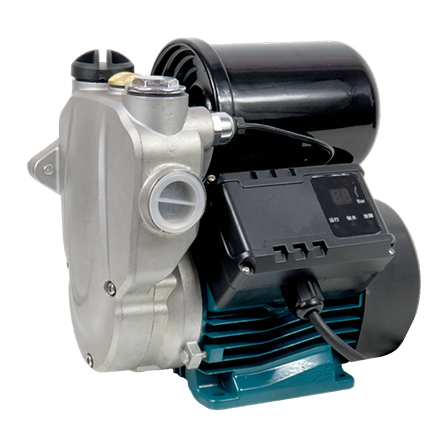
In modern domestic settings, maintaining a reliable, steady, and pressurized water flow across all household plumbing fixtures is absolutely fundamental to daily comfort, personal hygiene, and overall domestic efficiency. Based on extensive field experience in fluid dynamics, plumbing maintenance, and residential infrastructure engineering, fluctuating municipal supply pressures, elevation gains, and complex multi-story building layouts frequently result in weak water delivery at upper-floor showers, kitchen sinks, and modern washing machines. Industry standards emphasized by professional plumbing and hydronic bodies highlight that a well-engineered fluid management setup prevents common pressure drops and irregular flow rates. For homeowners seeking a dependable solution to these daily inconveniences, deploying an efficient water motor pump for home operations fundamentally transforms how water is stored, pressurized, and distributed throughout the building infrastructure, ensuring that every connected tap, showerhead, and utility outlet receives adequate volume instantly upon demand. Without a dedicated pressure booster mechanism, households often struggle with inconsistent appliance performance and inadequate sanitation capabilities during peak hours when municipal water consumption is at its highest across the broader community network. Investing in a reliable water motor pump for home applications ensures absolute water security, stable daily routines, and enhanced household comfort across all multi-story living spaces. Furthermore, integrating a specialized water motor pump for home systems eliminates daily frustration caused by inadequate municipal pressure heads, ensuring seamless residential water usage for every family member throughout the entire day.
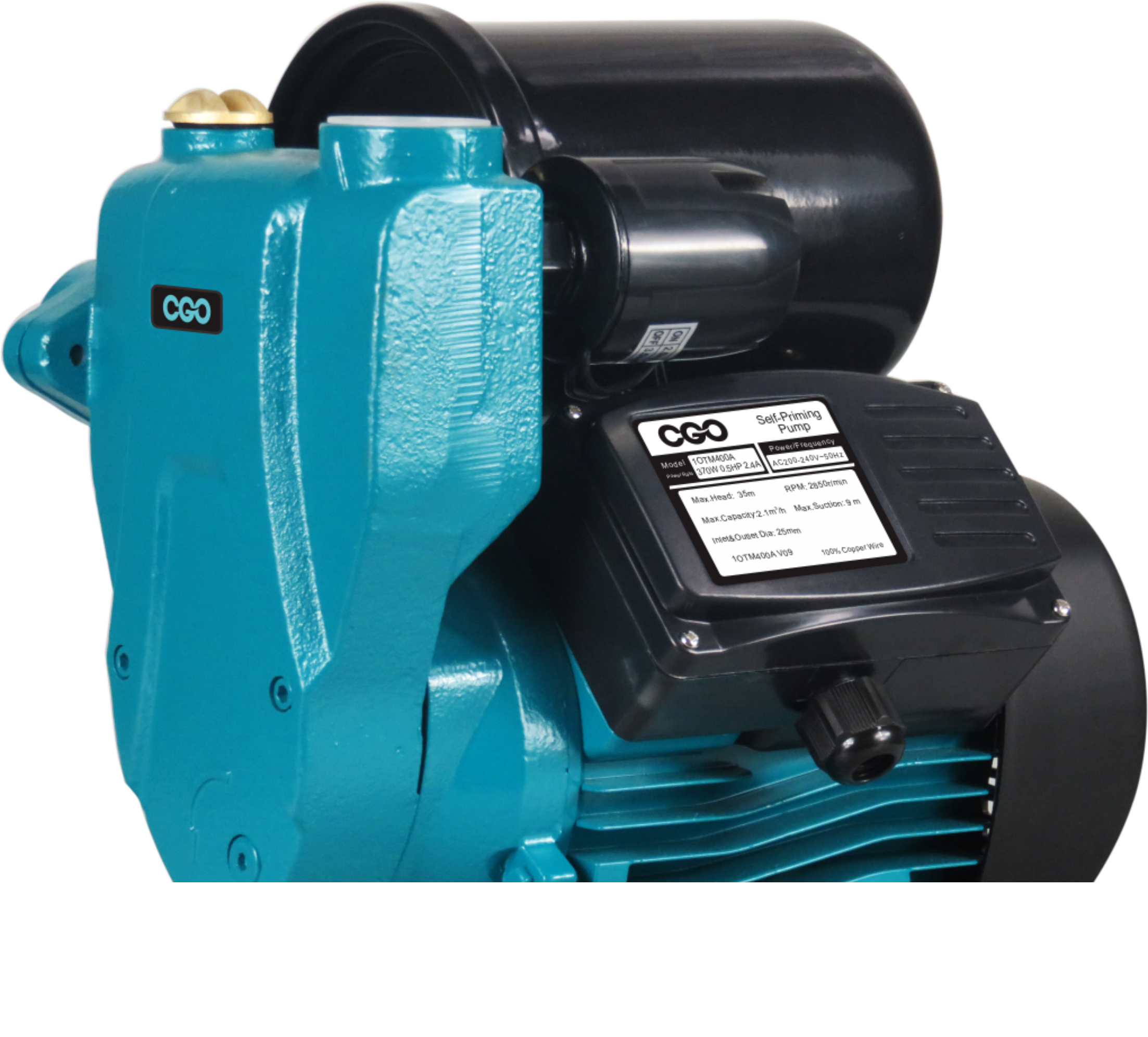
At its mechanical core, a domestic surface or booster pump functions by utilizing an internal rotating impeller driven by a powerful electric motor to draw water from an inlet supply source and discharge it under significantly increased pressure. When evaluating equipment options for residential use, savvy homeowners frequently look into reliable units such as the GS100 automatic self-priming pump range and compatible variants. These compact surface pumps are specifically engineered for clean-water supply, automatic pressure boosting, water-tower feeding, shallow-source lifting, and general garden irrigation. Depending on the specific configuration and performance requirements, units like the GS100 and STM models range from 0.1 kW to 0.75 kW in power rating, delivering maximum water flows ranging from 1.5 to 3.0 m³/h and maximum operating heads spanning from 21 to 50 meters. This robust mechanical capability allows the water motor pump for home installations to handle intermittent domestic demand seamlessly while ensuring stable, uninterrupted performance across complex household water distribution networks. Furthermore, the self-priming capability simplifies initial startup procedures, reducing the likelihood of air locks and ensuring immediate operational readiness after periods of inactivity or routine system maintenance. Additionally, proper system sizing ensures optimal flow velocity across all connected discharge lines and fixtures.
The long-term reliability and operational safety of any household water system depend heavily on robust material construction and protective engineering features. Flyaway designs its advanced fluid transfer solutions using durable, high-grade components such as heavy-duty cast iron hydraulic parts, corrosion-resistant brass impellers, and precision-machined aluminum alloy motor housings to provide a rigid, vibration-resistant mounting base and excellent resistance against mechanical wear. Furthermore, motor specifications typically incorporate Class B electrical insulation, efficient external cooling ventilation, IP44 environmental protection ratings, and a built-in thermal protector supporting continuous S1 work cycles to prevent motor burnouts under heavy loads. Automatic variants equipped with advanced pressure-switch control facilitate seamless demand-based operation, starting and stopping the pump automatically as household taps open or close. These meticulous design measures safeguard internal mechanical parts from overheating, reduce premature component fatigue, and extend the overall equipment lifecycle under normal operating environments, providing homeowners with absolute peace of mind regarding their daily water infrastructure.
Proper physical installation and routine preventative maintenance are critical factors in maximizing the operational lifespan, energy efficiency, and safety of residential water boosting equipment. Based on standard plumbing guidelines and manufacturer recommendations, technicians strongly advise installing the water motor pump for home usage on a stable, level, and vibration-damped surface closely positioned to the water source while adhering strictly to local electrical safety codes and grounding requirements. Homeowners should regularly inspect inlet strainers, clean debris filters, and check suction pipe sealing mechanisms to prevent unwanted air entry, which can severely disrupt hydraulic priming and reduce pumping efficiency. Monitoring operating temperatures during peak summer months and ensuring that all electrical connections remain secure and weather-protected further guarantees uninterrupted, reliable performance. By following these proactive upkeep habits, scheduling periodic professional inspections, and adhering strictly to manufacturer guidelines, households can enjoy consistent water pressure, optimized energy consumption, and extended mechanical durability throughout the entire service life of their pressure boosting system.
2026/09/07
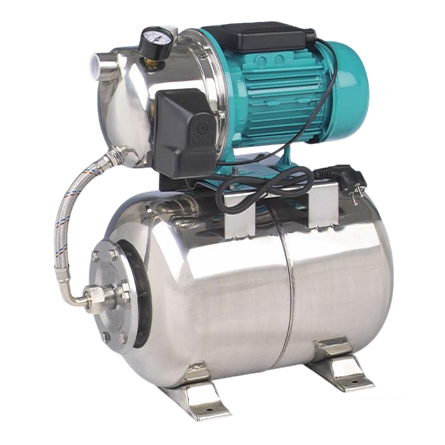
Discover why a jet pump is the ultimate solution for shallow well applications. Learn expert installation tips, mechanical benefits, and energy efficiency today.
2026/09/07
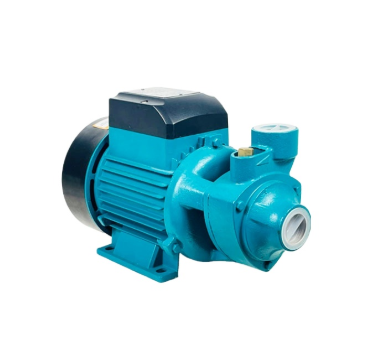
Learn what an agri water pump is and how to select the right model for your farm. Expert tips on flow rate, total head, and installation.
2026/09/07
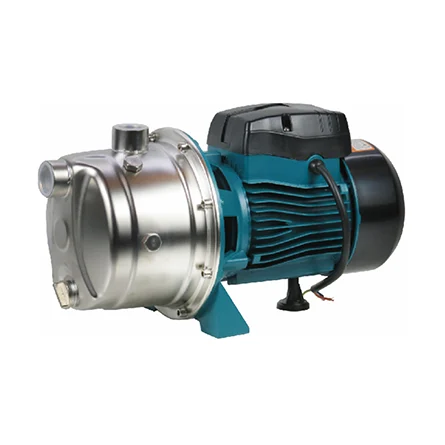
Discover how to choose the right jet pump for your water system. Explore expert tips on suction lift, flow capacity, and Flyaway reliable pumping solutions.
2026/09/07
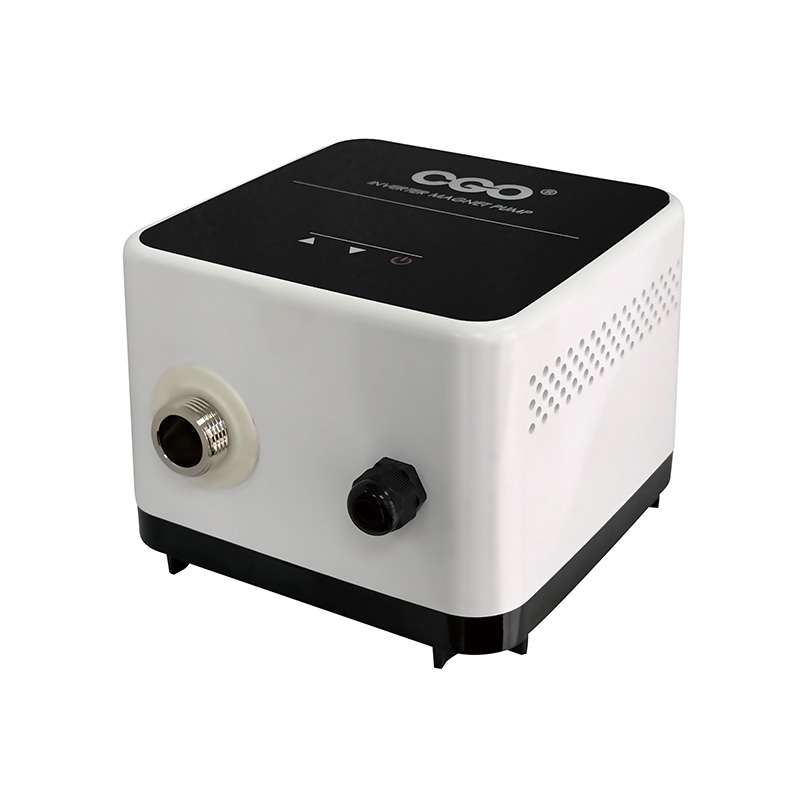
Discover reliable constant pressure water pump solutions by Flyaway. Eliminate pressure drops and enjoy steady water flow with advanced VFD technology.
2026/09/07
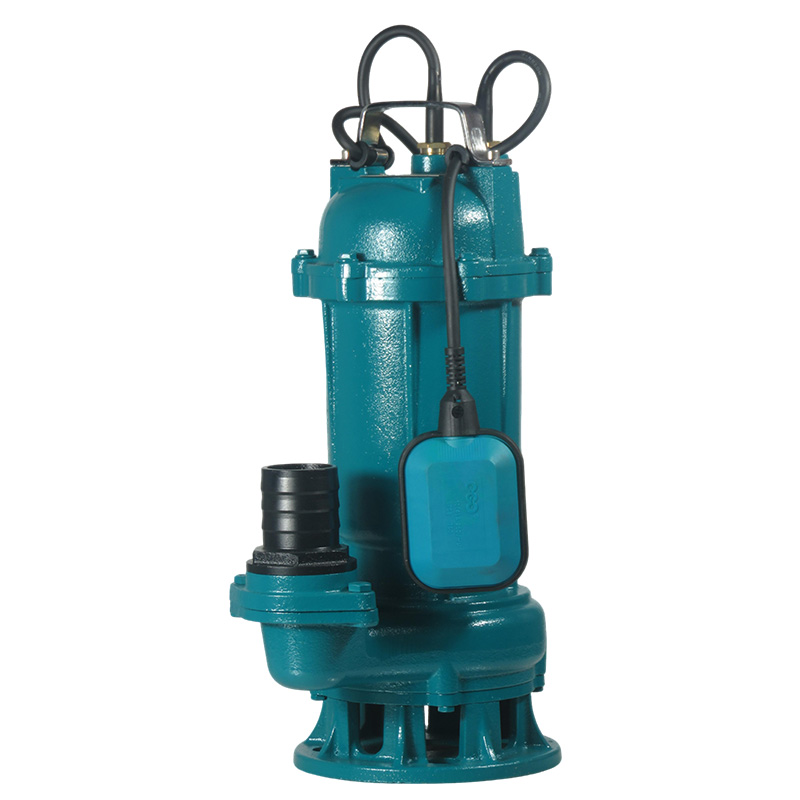
Learn how to choose the right high pressure shower pump for your bathroom. Discover key flow rates, system configurations, and expert selection tips.
2026/09/07
Discover how to use a pump to increase water pressure at home. Learn GS100 specs, installation tips, and Flyaway solutions for reliable water flow.
