 EN
EN
Domestic Water Pump Solutions for Homes
2026/09/08
Discover efficient domestic water pump solutions by Flyaway. Improve residential water pressure, ensure steady flow, and optimize home utility today.

2026/09/07
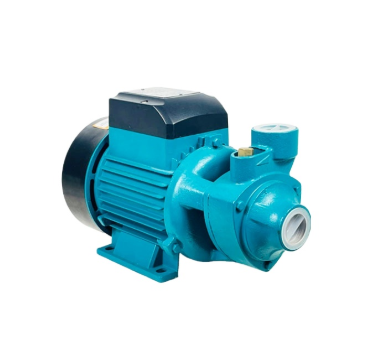
An agri water pump is an essential mechanical device designed to move water from a source such as a well, river, or reservoir to agricultural fields for irrigation and livestock management. In practical farming operations, ensuring a consistent and reliable water supply directly impacts crop yield and overall farm productivity. Drawing from hands-on agricultural engineering experience, selecting the correct agri water pump requires evaluating the specific water source, total dynamic head, and required flow rate. For instance, surface centrifugal pumps are commonly deployed for open water sources like ponds and shallow rivers, whereas submersible pumps are better suited for deep well applications. At Flyaway, our technical evaluations emphasize matching the hydraulic performance curves with actual farm layouts to prevent energy wastage and premature equipment wear. Understanding these core principles helps farm managers maintain efficient irrigation systems throughout the growing season without unexpected downtime. Proper water management starts with recognizing how pump mechanics interact with local environmental factors, soil saturation levels, and specific crop water requirements across different stages of growth.
When evaluating an agri water pump for commercial or farm use, reviewing precise technical parameters prevents costly mismatching and ensures long-term operational stability. Key specifications typically include maximum flow rate measured in gallons per minute or cubic meters per hour, total dynamic head, power source requirements such as electric motors or diesel engines, and inlet/outlet pipe diameters. According to industry engineering standards outlined in agricultural machinery manuals, operating an agri water pump outside its optimal efficiency range leads to hydraulic cavitation, increased vibration, and accelerated impeller degradation. When reviewing product specifications on the Flyaway platform, operators should carefully cross-reference their field’s elevation rise and pipeline friction losses against the official pump performance chart. Practical field cases demonstrate that oversizing a pump not only increases upfront capital expenditure but also leads to higher operational energy costs, while undersizing results in insufficient water pressure for sprinkler or drip irrigation systems. Therefore, precise calculation of flow and head parameters remains the cornerstone of reliable agricultural water management and efficient resource utilization.
Selecting the appropriate agri water pump involves a systematic assessment of agricultural site conditions, water requirements, and power availability. The first step is to accurately determine the total water volume needed daily, taking into account crop type, soil characteristics, and local climatic evaporation rates. Next, calculate the total dynamic head, which combines vertical elevation, suction lift, and pipe friction losses across the entire irrigation network. Field experience shows that failing to account for pipe fittings, valves, and bends is one of the most common errors leading to lower-than-expected discharge pressure. Once these variables are established, compare them against manufacturer performance curves to identify the most energy-efficient model. Flyaway provides structured product guidelines to assist agricultural operators in navigating these technical choices transparently, ensuring that the selected agri water pump delivers long-term operational reliability and aligns with sustainable farming practices. Engaging with technical support teams during the initial sizing phase helps verify that all hydraulic variables are correctly accounted for before final procurement and installation take place.
Proper installation and routine maintenance are critical factors in maximizing the operational lifespan and efficiency of any agri water pump. Proper alignment, secure foundation mounting, and the installation of appropriate check valves and foot valves on suction lines prevent dry running and prime loss. In agricultural environments where water may contain suspended silt or debris, incorporating appropriate intake filtration systems protects internal components from abrasive wear. Regular inspection schedules should include monitoring motor operating temperatures, checking seal integrity, and verifying electrical voltage stability for motor-driven units. Practical maintenance logs maintained by experienced farm technicians indicate that proactive minor servicing significantly reduces major breakdown risks during peak irrigation periods. By adhering to manufacturer-recommended maintenance intervals, agricultural operators can maintain optimal hydraulic performance and safeguard their capital investment over years of continuous service. Furthermore, winterization procedures and proper off-season storage practices protect internal seals and housings from freezing temperatures and corrosion.
Maximizing the efficiency and reliability of an agri water pump requires a balanced approach combining careful initial selection, proper installation, and diligent preventive maintenance. Agricultural professionals must continually evaluate system performance against changing seasonal irrigation demands, adjusting operating schedules and pressure settings as needed. By relying on transparent technical specifications and proven engineering principles rather than exaggerated claims, farm managers achieve sustainable water resource management. Flyaway remains committed to supporting agricultural operations with clear, accurate product information and practical guidance for every stage of system deployment. Investing time in proper pump selection and upkeep ultimately translates into reduced energy consumption, lower maintenance costs, and healthier, more productive crop yields year after year. Establishing standard operating procedures across farm teams ensures that every agri water pump is operated within its rated capacity, securing long-term agricultural success and resource conservation.
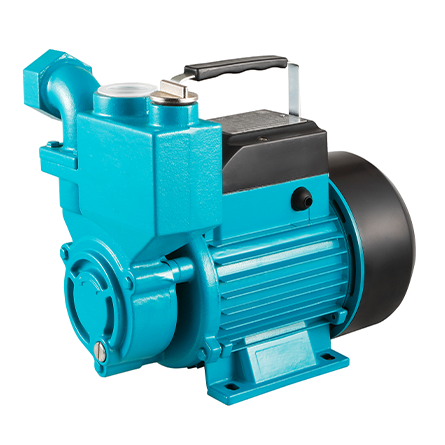
2026/09/08
Discover efficient domestic water pump solutions by Flyaway. Improve residential water pressure, ensure steady flow, and optimize home utility today.
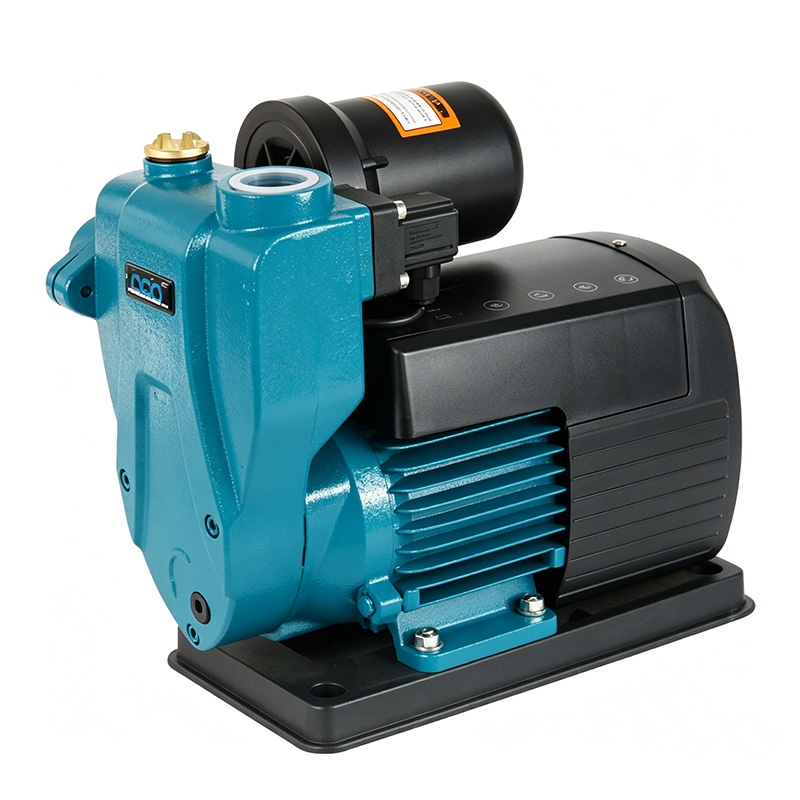
2026/09/08
Discover key benefits of using self priming pumps for industrial fluid transfer. Learn how Flyaway solutions improve efficiency and reduce maintenance costs.
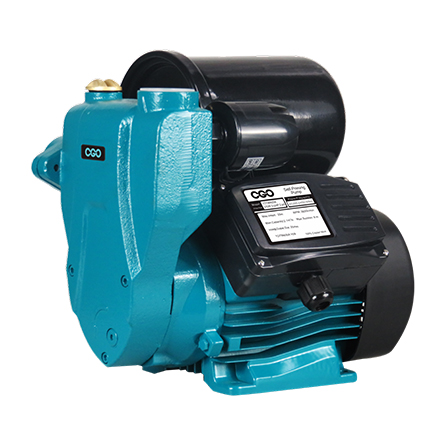
2026/09/08
Discover how to choose the right constant pressure water pump with VFD. Learn key hydraulic parameters, energy-saving benefits, and expert tips by Flyaway.
2026/09/08
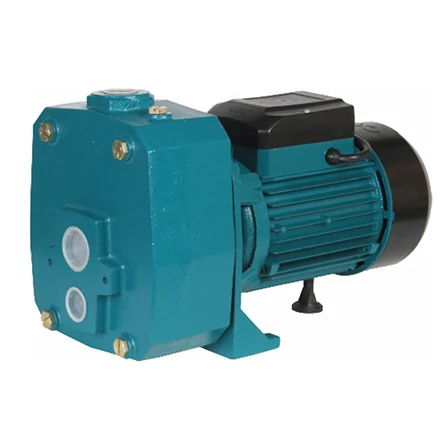
Discover what a jet pump is and its key uses in residential water supply, agricultural irrigation, and deep well extraction. Learn more with Flyaway.
2026/09/08
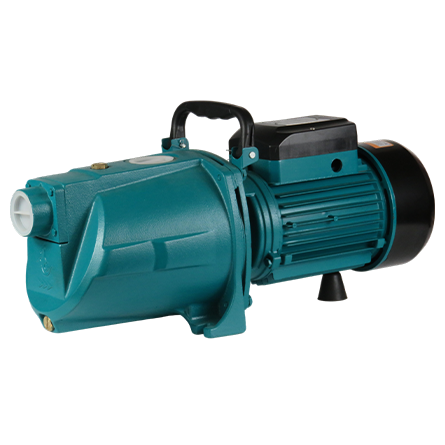
Discover why high-performance agri pumps are essential for modern crop irrigation systems. Learn expert selection tips and boost farm efficiency
2026/09/08
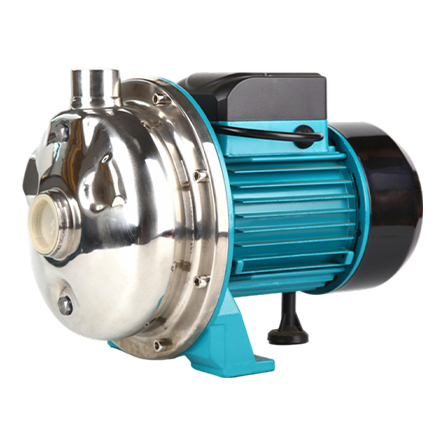
Discover expert tips on choosing the right clean water pump for your facility. Learn about flow rates, motor specs, and maintenance with Flyaway.
