 EN
EN
Why Choose a Jet Pump for Shallow Well Applications?
2026/09/07
Discover why a jet pump is the ultimate solution for shallow well applications. Learn expert installation tips, mechanical benefits, and energy efficiency today.

2026/09/07
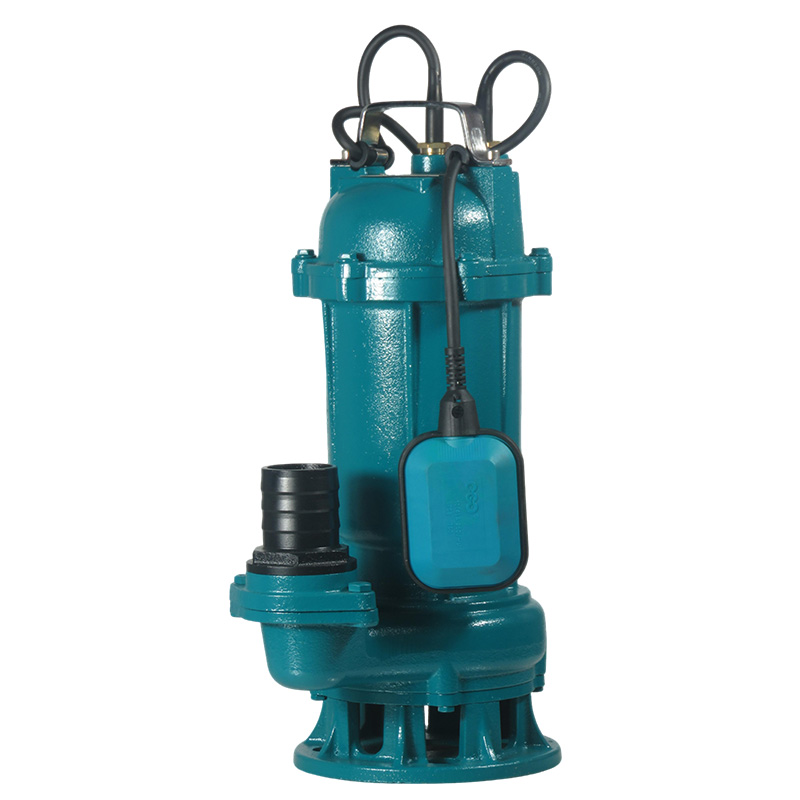
When upgrading a bathroom water system, homeowners frequently struggle with weak water flow and sluggish drainage, especially in multi-property residential buildings or homes characterized by low municipal supply pressure. Installing a high pressure shower pump is widely recognized across the plumbing industry as the most effective engineering solution to resolve this issue by actively boosting flow rates to showerheads, bathtubs, and bathroom faucets. Based on field installations across various residential projects and commercial housing upgrades, water pressure issues typically stem from gravity-fed systems where the cold water storage tank is situated too close to the ceiling. Unlike standard booster pumps, a specialized high pressure shower pump is engineered to handle specific flow demands without creating excessive acoustic noise or hammering pipes. Industry analyses from leading plumbing associations indicate that a stable flow of at least 10 to 12 liters per minute is strictly required for a satisfying, comfortable shower experience. By integrating a properly sized high pressure shower pump into the domestic plumbing network, users can achieve balanced hot and cold water mixing, eliminating sudden temperature fluctuations caused by pressure drops in other household outlets. Every installation must be carefully matched to the dwelling's specific hydraulic profile to ensure optimal daily operation and energy efficiency. Furthermore, proper initial evaluation prevents unnecessary equipment wear and tear, ensuring long-term reliability for the entire household.
Before purchasing any pressure boosting equipment, a thorough assessment of existing plumbing layouts is mandatory to ensure complete compatibility and operational safety. Residential water systems generally fall into two distinct categories: gravity-fed systems and mains-pressure systems, each requiring distinct pump variants such as positive head or negative head models. According to technical guidelines published by major manufacturers, gravity systems with less than a one-meter head difference between the cold water storage tank and the shower outlet require a negative head high pressure shower pump, which utilizes built-in flow sensors to detect water movement. For standard installations where the water tank sits comfortably above the shower, a positive head configuration offers a reliable and cost-effective upgrade option. Reviewing technical specifications such as bar pressure ratings—typically ranging from 1.5 bar to 3.0 bar—helps match the high pressure shower pump capability to household pipe thickness and valve tolerances. Consulting professional installation manuals ensures that the chosen high pressure shower pump complies with local water regulations and prevents over-pressurization, which can prematurely damage older pipe fittings, joints, and rubber seals.
Selecting the correct hardware involves evaluating precise technical data, including flow rates, power ratings, and continuous operation capabilities. When reviewing product specifications on specialized manufacturing platforms like Flyaway, pay close attention to the maximum head height and the operational bar rating of your chosen high pressure shower pump, as these figures dictate how forcefully water is propelled through the system. Single-impeller units are generally used to boost either hot or cold water independently, whereas twin-impeller models within a high pressure shower pump simultaneously pressurize both supplies for balanced thermostatic mixing valves. Engineering experts recommend calculating the total dynamic head of the household to prevent selecting an oversized unit that consumes excessive electricity or causes premature wear on shower cartridges. Furthermore, acoustic performance is a vital parameter for residential comfort; modern centrifugal designs feature anti-vibration feet and quieter motor housings to minimize operational hum. Ensuring that the high pressure shower pump motor matches the local electrical supply voltage and incorporates thermal overload protection guarantees long-term durability and safe daily operation under rigorous daily use.
Proper installation and routine maintenance are critical factors in maximizing the operational lifespan and safety of a bathroom water booster system. Certified plumbing technicians emphasize that any high pressure shower pump must be installed in a well-ventilated, dry location, preferably on a stable, level surface to reduce vibrational noise during startup cycles. Isolating valves should be fitted on all inlet and outlet pipes of the high pressure shower pump to facilitate effortless servicing or removal without draining the entire household water system. Regular maintenance involves inspecting flexible connection hoses for signs of wear, cleaning inlet filters to prevent sediment buildup, and checking electrical connections for moisture exposure around the motor housing. Industry compliance standards dictate that electrical connections for your high pressure shower pump must be handled by qualified personnel in accordance with national wiring regulations, utilizing appropriate waterproof junction boxes and dedicated circuit breakers. By adhering to these structured maintenance protocols, homeowners can prevent common operational failures and maintain consistent water pressure for years to come.
Achieving sustained water pressure enhancement requires ongoing attention to energy efficiency and system monitoring. Modern high pressure shower pump units are designed with advanced hydraulic impellers that optimize power consumption while delivering exceptional water output. When operating a high pressure shower pump, monitoring energy usage and checking for micro-leaks in bathroom fixtures helps maintain overall system integrity. Flyaway technical experts recommend scheduling bi-annual inspections of your high pressure shower pump to verify that flow sensors, impellers, and non-return valves are operating at peak efficiency. Implementing these comprehensive care measures ensures that your investment continues to provide a luxurious and reliable shower experience while minimizing unnecessary maintenance costs.
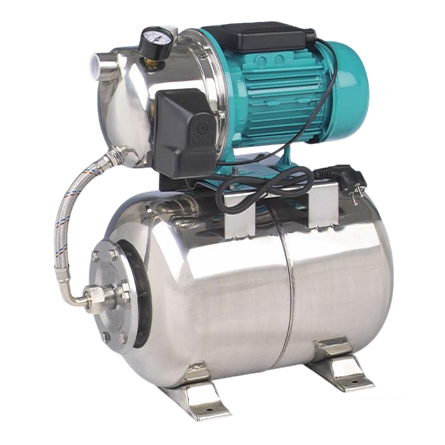
2026/09/07
Discover why a jet pump is the ultimate solution for shallow well applications. Learn expert installation tips, mechanical benefits, and energy efficiency today.
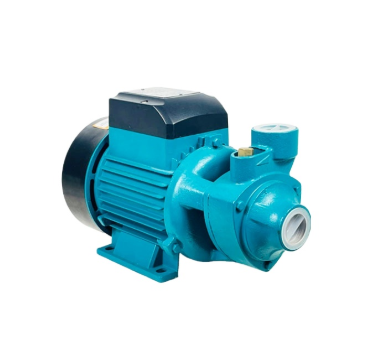
2026/09/07
Learn what an agri water pump is and how to select the right model for your farm. Expert tips on flow rate, total head, and installation.
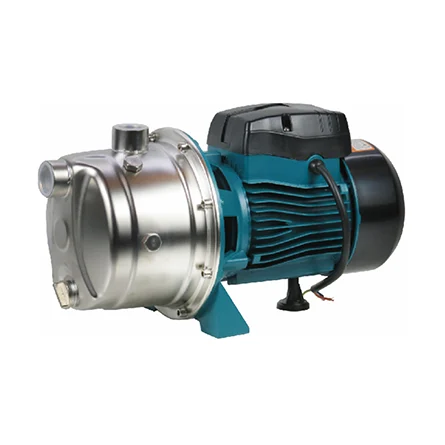
2026/09/07
Discover how to choose the right jet pump for your water system. Explore expert tips on suction lift, flow capacity, and Flyaway reliable pumping solutions.
2026/09/07
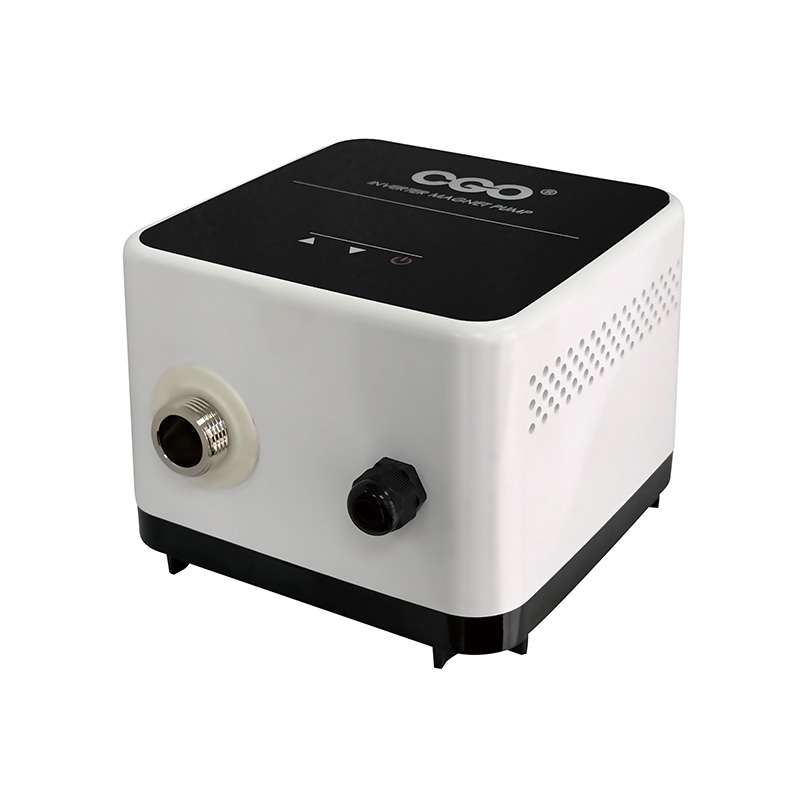
Discover reliable constant pressure water pump solutions by Flyaway. Eliminate pressure drops and enjoy steady water flow with advanced VFD technology.
2026/09/07
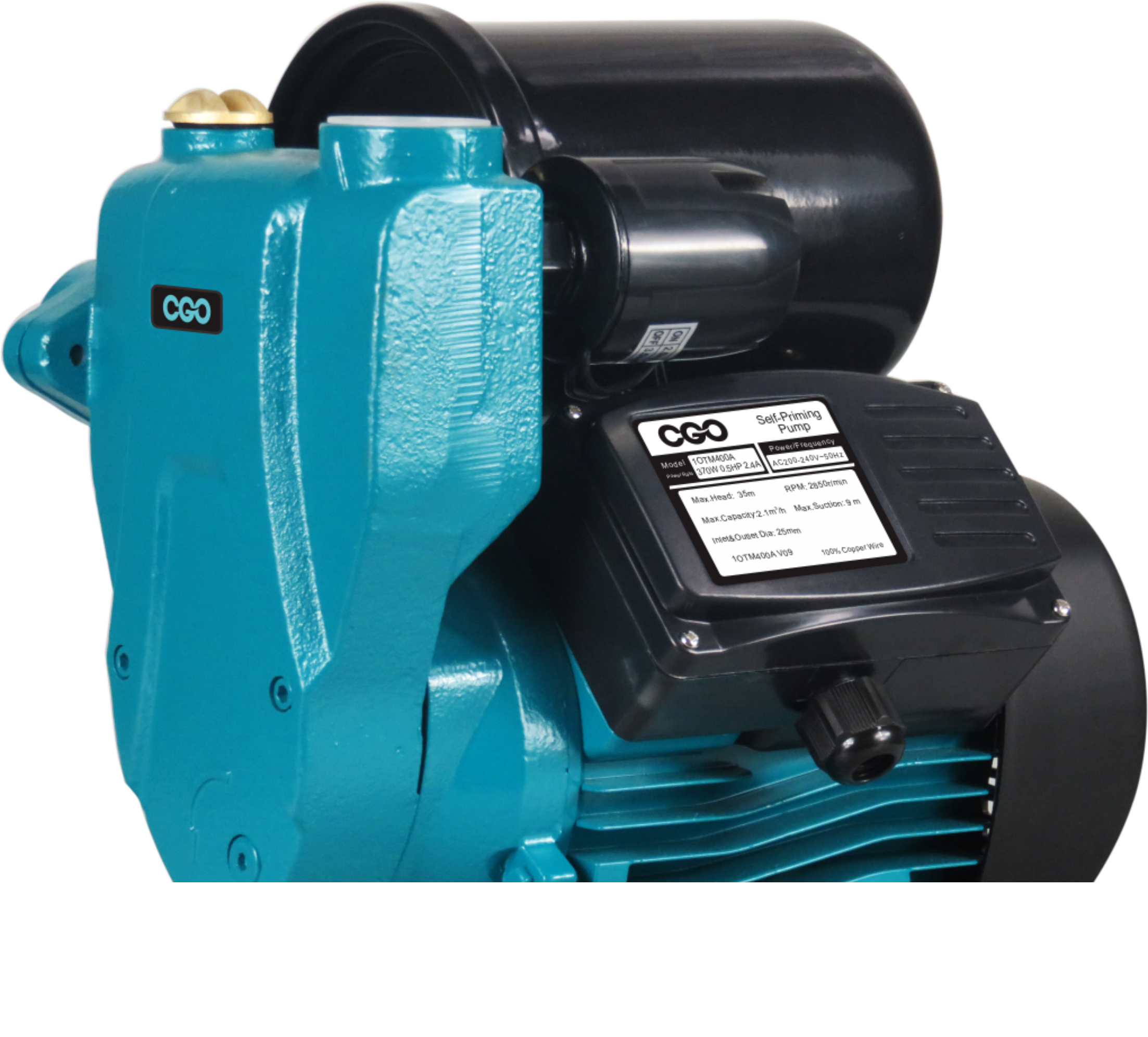
Discover how to use a pump to increase water pressure at home. Learn GS100 specs, installation tips, and Flyaway solutions for reliable water flow.
