 EN
EN
Why Choose a Jet Pump for Shallow Well Applications?
2026/09/07
Discover why a jet pump is the ultimate solution for shallow well applications. Learn expert installation tips, mechanical benefits, and energy efficiency today.

2026/09/07
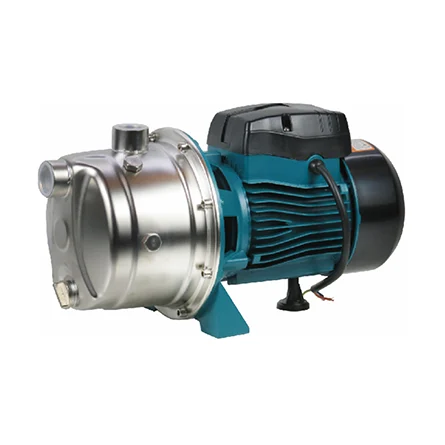
When looking for a reliable technical solution to convey clean water, boost pressure in centralized municipal or domestic systems, or handle fluid mixed with gas from deep wells, choosing the right equipment is crucial for long-term operational success. At Flyaway, our engineering and technical support team regularly assists global clients in selecting the most dependable, robust, and efficient water transport units for diverse industrial and residential applications. Based on extensive field experience, hydraulic engineering insights, and recognized industry standards, a high-quality jet pump stands out as a remarkably versatile and enduring choice for both residential setups and light commercial operations. These specialized systems utilize an advanced, integrated Venturi system combined with precision-engineered impellers to ensure steady, continuous-duty performance, making them exceptionally reliable for daily water conveyance operations where pressure fluctuations must be minimized. Furthermore, understanding the foundational mechanics of how a jet pump moves fluid allows operators to appreciate the importance of matching pump capacity with system demands, thereby avoiding premature mechanical wear, overheating, and excessive energy consumption across daily operating cycles.
Selecting the ideal jet pump requires a comprehensive and careful analysis of critical technical specifications, hydraulic parameters, and site-specific operational requirements. According to fundamental hydraulic engineering principles outlined by fluid dynamics experts and equipment manufacturers, system operators must rigorously evaluate parameters such as maximum suction lift, total head pressure, volumetric flow capacity, and motor horsepower ratings. Flyaway models—such as our specialized SJET and DP series self-priming jet pump configurations—are meticulously engineered to handle clean water, pressurized distribution, and non-aggressive chemical fluids with optimal hydraulic efficiency. When evaluating your specific water system layout, it is essential to ensure that the motor power, electrical voltage, and piping diameter sizing align precisely with your daily volumetric demand and dynamic head requirements. Ignoring these vital technical parameters often leads to decreased hydraulic efficiency, frequent system tripping, and accelerated mechanical degradation. By conducting a detailed hydraulic audit before purchasing a jet pump, facilities and homeowners can guarantee optimal performance, minimize friction losses within suction lines, and achieve a balanced, energy-efficient water supply network that endures heavy usage without operational hiccups.
A critical technical aspect that distinguishes a superior jet pump from standard centrifugal alternatives is its robust self-priming capability and the thermodynamic efficiency of its internal Venturi tube assembly. Extensive field applications and diagnostic testing show that units equipped with a well-designed, precision-machined Venturi mechanism can smoothly lift water from deeper underground sources and reliably manage minor gas inclusions without losing their hydraulic prime. Drawing directly from practical field maintenance records and technician feedback, units that maintain stable hydraulic priming drastically reduce system downtime, eliminate airlock issues, and prevent damaging pump cavitation during periods of irregular water supply. Ensuring the proper installation and sealing of foot valves, non-return valves, and suction-side check valves further enhances this inherent self-priming reliability, allowing the jet pump equipment to operate smoothly and continuously even in demanding continuous-duty cycles. Moreover, the synergy between the nozzle and the diffuser inside the jet pump housing creates the necessary pressure differential to evacuate air from the suction pipe rapidly, establishing a dependable water column upon startup and ensuring that maintenance interventions are kept to an absolute minimum over the operational lifecycle of the pumping unit.
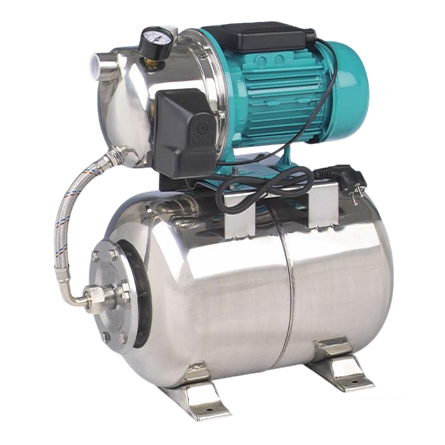
In real-world deployment scenarios, operational versatility is consistently recognized as one of the greatest advantages of incorporating a modern jet pump into fluid transport networks. These robust units are widely utilized across a diverse array of practical applications, including increasing water pressure in centralized residential plumbing systems, supporting small-scale agricultural irrigation layouts, watering expansive private gardens, and feeding dedicated vehicle or facility washing systems. Field feedback collected from professional landscape contractors, agricultural technicians, and residential plumbers indicates that integrating a stable pressure control switch, a pressure tank, and your jet pump creates a seamless, fully automatic water supply network. This integrated setup ensures consistent water pressure across all household taps or agricultural sprinkler outlets, effectively minimizing pressure drops during peak usage hours and preventing pump motor cycling. Whether drawing water from a shallow well, boosting municipal supply pressure, or transferring water across uneven terrain, a properly selected jet pump delivers the steady hydraulic force required to maintain operational productivity, prevent workflow interruptions, and satisfy the rigorous demands of end-users across commercial and domestic environments alike.
To maximize the operational lifespan, energy efficiency, and reliability of your jet pump, strictly adhering to professional installation guidelines and systematic maintenance protocols is absolutely essential. Industry best practices recommended by senior hydraulic technicians advise installing the pump unit in a clean, dry, well-ventilated, and enclosed space, or at least providing adequate weatherproof protection against extreme ambient temperatures, direct sunlight, and freezing winter conditions. Routine inspections of the suction line for potential air leaks, monitoring running motor amperage, checking electrical connections for security, and periodically inspecting the Venturi nozzle for mineral scale buildup will prevent common operational failures before they occur. Furthermore, draining the jet pump housing during extended periods of seasonal non-use prevents frost cracking and internal corrosion. By following these preventive maintenance steps and technical recommendations provided by Flyaway field specialists, operators can achieve years of trouble-free service, optimal hydraulic performance, and a significantly lower total cost of ownership for their water management infrastructure.
2026/09/07
Discover why a jet pump is the ultimate solution for shallow well applications. Learn expert installation tips, mechanical benefits, and energy efficiency today.
2026/09/07
Learn what an agri water pump is and how to select the right model for your farm. Expert tips on flow rate, total head, and installation.
2026/09/07
Discover reliable constant pressure water pump solutions by Flyaway. Eliminate pressure drops and enjoy steady water flow with advanced VFD technology.
2026/09/07
Learn how to choose the right high pressure shower pump for your bathroom. Discover key flow rates, system configurations, and expert selection tips.
2026/09/07
Discover how to use a pump to increase water pressure at home. Learn GS100 specs, installation tips, and Flyaway solutions for reliable water flow.
