 EN
EN
Why Choose a Jet Pump for Shallow Well Applications?
2026/09/07
Discover why a jet pump is the ultimate solution for shallow well applications. Learn expert installation tips, mechanical benefits, and energy efficiency today.

2026/09/07
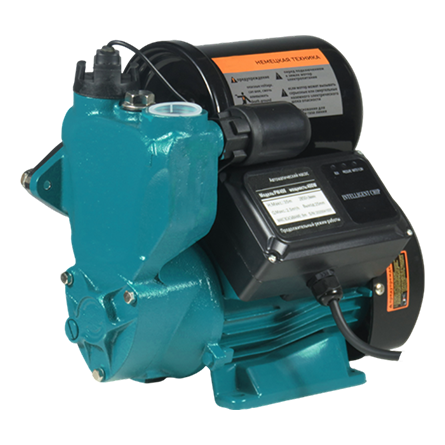
Selecting the right water-lifting and fluid distribution system is fundamentally essential for modern agricultural productivity, optimal crop health, and sustainable long-term water management across diverse farming properties. When planning a new agricultural installation or upgrading an aging legacy irrigation network, thoroughly understanding core hydraulic principles and matching the equipment precisely to actual field demands prevents costly operational inefficiencies and resource waste. At Flyaway, engineering high-efficiency fluid handling solutions involves systematically evaluating precise flow rates, total dynamic heads, static water levels, and deep-source subterranean constraints to ensure exceptionally reliable water delivery under all seasonal conditions. Incorporating rigorous EEAT evaluation principles into agricultural system selection ensures that practical field experience, professional engineering expertise, absolute technical accuracy, and trusted methodologies guide every single capital investment made by farm owners and agricultural enterprises.
Water extraction from deep subterranean aquifers requires heavy-duty equipment specifically engineered to overcome substantial vertical elevation, high discharge pressure, and severe pipe friction losses. For intensive agricultural operations, choosing irrigation deep well pumps involves a thorough evaluation of whether a surface-mounted centrifugal jet configuration or a fully submerged multistage borehole unit is required based on the exact depth of the local water table. Surface-mounted jet designs, such as self-priming centrifugal jet pumps, typically manage suction lifts effectively down to standard operational limits around 8 to 9 meters, whereas deeper subterranean sources demand specialized submersible equipment lowered directly into the borehole casing. Extensive field data demonstrates that correctly matching the pump architecture, impeller geometry, and motor horsepower to the static and dynamic water levels prevents dangerous cavitation, reduces thermal and mechanical motor strain, and secures a continuous, steady flow for extensive sprinkler networks, center pivots, or drip irrigation systems. Furthermore, deploying irrigation deep well pumps correctly ensures that water distribution remains uniform across large acreages, preventing localized dry spots and ensuring that every crop row receives adequate hydration.
Farmland irrigation demands rigorous, mathematically sound calculation of daily water requirements, total acreage coverage, crop coefficient factors, and operating working pressure thresholds. Professional system designers and agricultural engineers must accurately assess maximum flow rates measured in cubic meters per hour alongside comprehensive total dynamic head parameters to completely prevent performance drops during peak summer growing seasons. When sizing equipment for demanding agricultural applications, integrating reliable structural components such as robust cast iron hydraulic casings, corrosion-resistant stainless steel or bronze impellers, and weather-protected heavy-duty motor housings ensures uninterrupted operation under harsh field conditions. Practical agricultural experience strongly dictates that over-specifying motor power leads to excessive energy consumption and high utility bills, whereas under-specifying leads to premature mechanical wear and pump failure; therefore, calculating exact friction losses across main and lateral distribution pipelines is an indispensable step in professional system selection. Whenever agricultural planners evaluate irrigation deep well pumps, they must also factor in voltage fluctuations, power supply stability, and control panel automation to guarantee long-term operational resilience in remote rural farming environments.
Proper mechanical and electrical installation practices directly influence the long-term operational lifespan, daily reliability, and overall safety of all agricultural pumping assets deployed on a farm. Securing airtight suction and discharge pipe connections, installing appropriate heavy-duty check valves and foot valves to effectively prevent water hammer and backflow effects, and protecting electrical submersible motors with advanced thermal overload relays are critical technical safeguards. Flyaway emphasizes that routine, scheduled maintenance checks—such as continuously monitoring operating voltage stability, inspecting volute and mechanical shaft seals, checking insulation resistance, and keeping cooling ventilation paths entirely clear of agricultural field debris—significantly reduce unexpected mechanical downtime. Farmers and irrigation technicians greatly benefit from establishing a structured, documented seasonal maintenance schedule, ensuring that their pumping equipment performs reliably throughout intensive crop cultivation cycles without risking sudden operational breakdowns. Proper alignment, vibration analysis, and professional cable splicing further protect irrigation deep well pumps from premature electrical faults or mechanical failures caused by continuous, heavy-duty seasonal operation.
Modern agricultural management increasingly prioritizes long-term energy conservation, resource efficiency, and sustainable environmental practices to lower daily operational expenses and minimize carbon footprints. Advanced electric motor technologies, including permanent magnet synchronous motor designs and variable frequency vector-driven controls, offer substantial energy savings compared to traditional fixed-speed alternatives by dynamically adjusting motor rotational speed and output to match real-time irrigation system demands. Selecting high-efficiency systems not only cuts seasonal electricity expenditures over multiple operating seasons but also actively supports environmentally responsible farming by optimizing subterranean groundwater extraction and reducing peak power demand. By relying on transparent technical specifications, professional engineering insights, and field-tested product ranges, agricultural operators can successfully achieve a balanced, highly efficient irrigation infrastructure that secures high crop yields for decades. Integrating advanced monitoring tools with irrigation deep well pumps empowers modern farmers to track power consumption, water discharge volumes, and operational hours accurately, fostering a data-driven approach to agricultural sustainability and resource management.
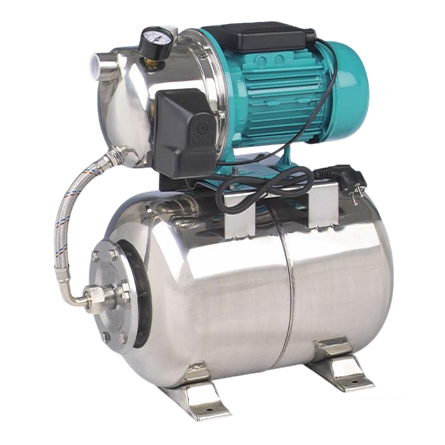
2026/09/07
Discover why a jet pump is the ultimate solution for shallow well applications. Learn expert installation tips, mechanical benefits, and energy efficiency today.
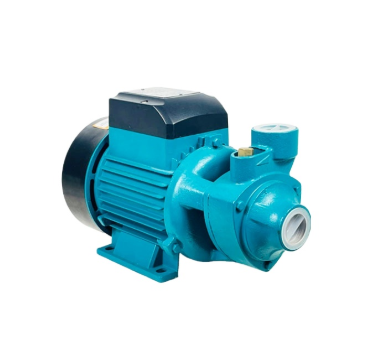
2026/09/07
Learn what an agri water pump is and how to select the right model for your farm. Expert tips on flow rate, total head, and installation.
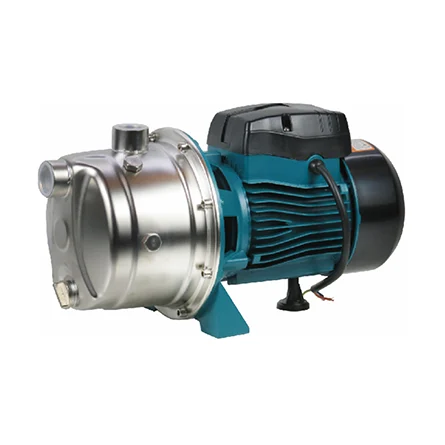
2026/09/07
Discover how to choose the right jet pump for your water system. Explore expert tips on suction lift, flow capacity, and Flyaway reliable pumping solutions.
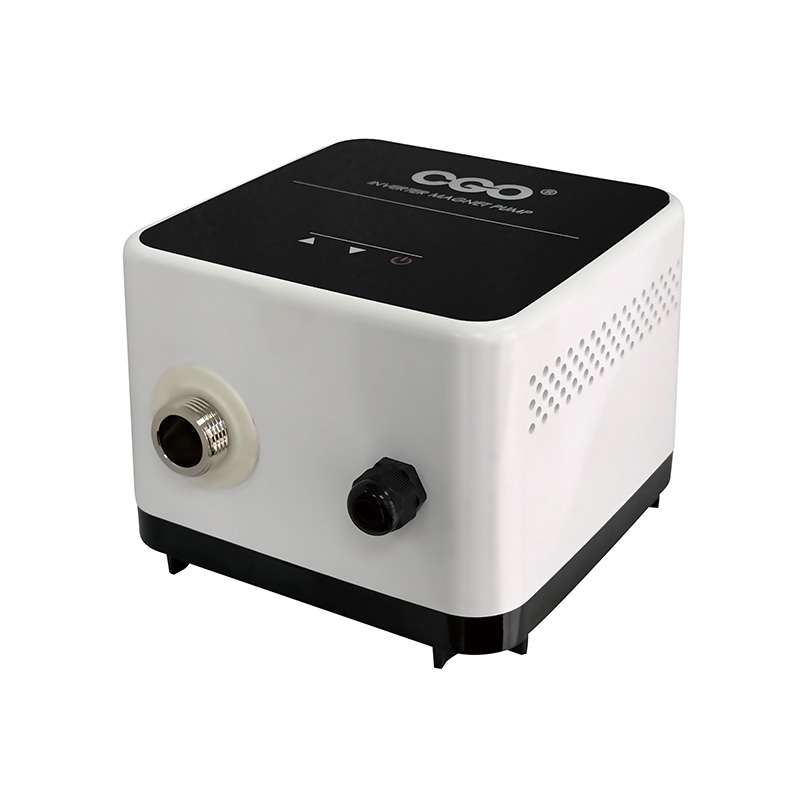
2026/09/07
Discover reliable constant pressure water pump solutions by Flyaway. Eliminate pressure drops and enjoy steady water flow with advanced VFD technology.
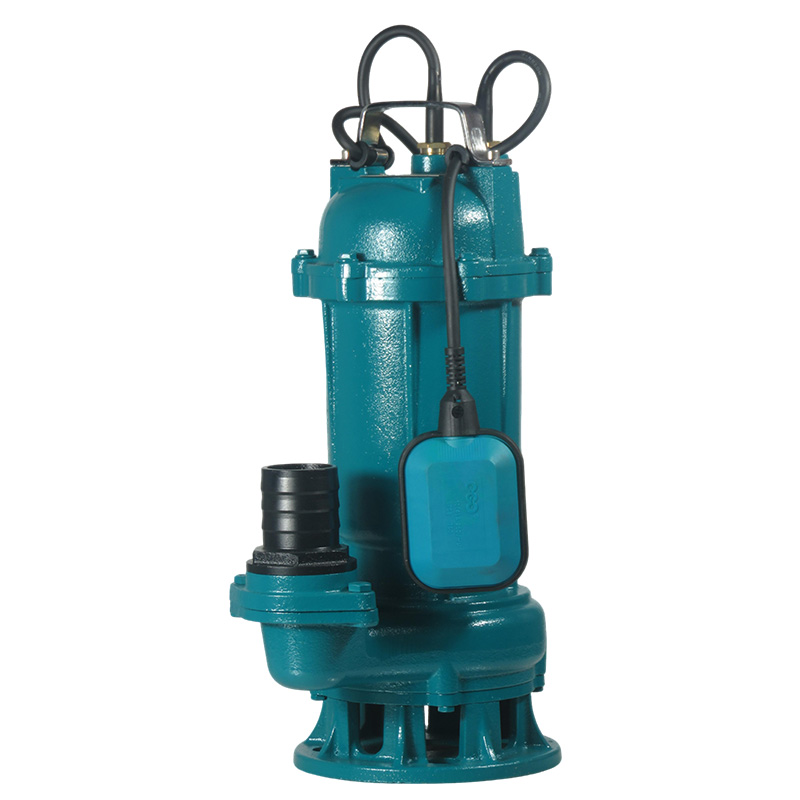
2026/09/07
Learn how to choose the right high pressure shower pump for your bathroom. Discover key flow rates, system configurations, and expert selection tips.
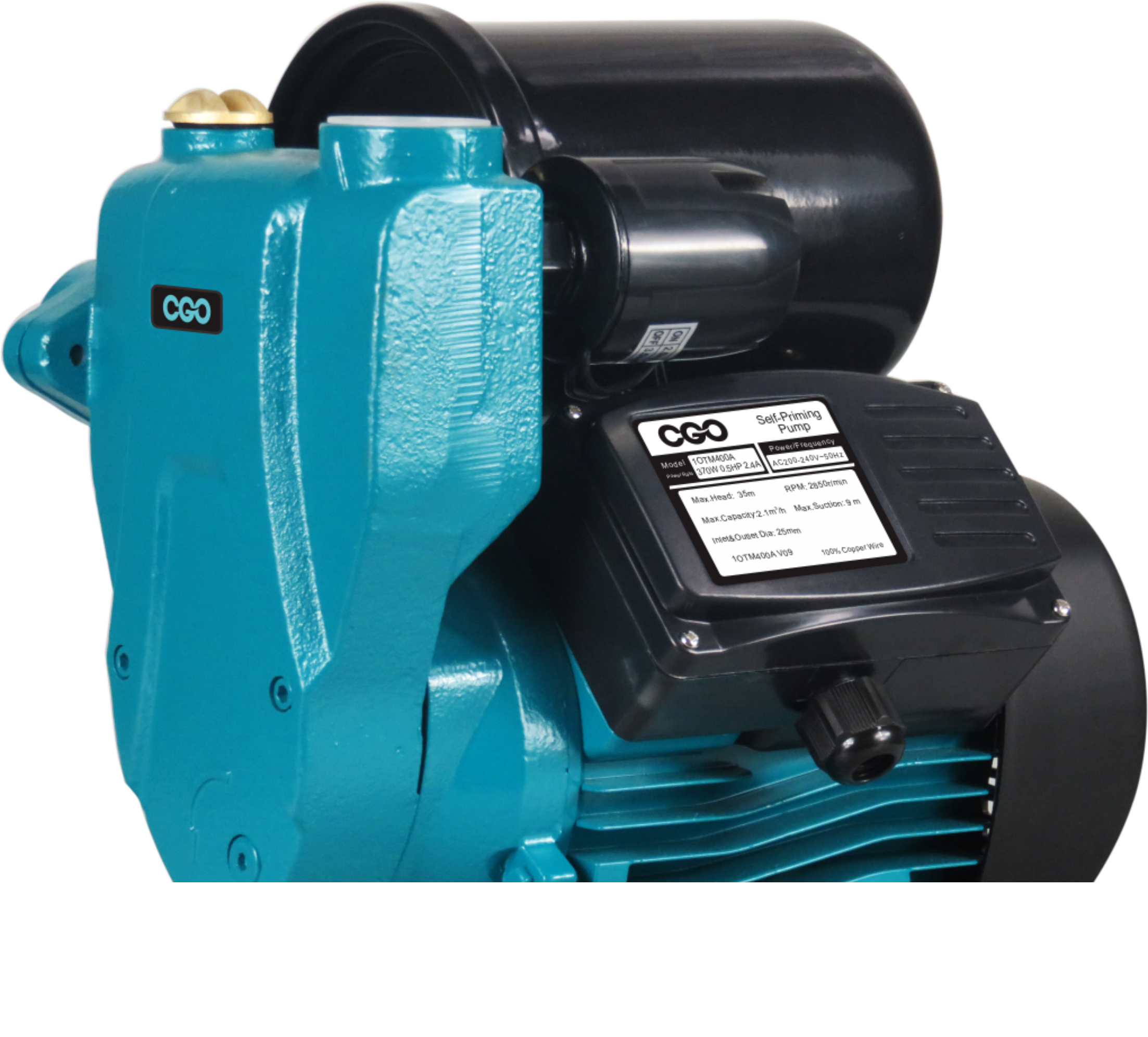
2026/09/07
Discover how to use a pump to increase water pressure at home. Learn GS100 specs, installation tips, and Flyaway solutions for reliable water flow.
