 EN
EN
Benefits of Using a Sewage Water Pump in Drainage Networks
2026/09/15
Discover how a reliable sewage water pump and advanced wastewater pumping solutions enhance drainage network efficiency for municipal and industrial systems.

2026/09/15
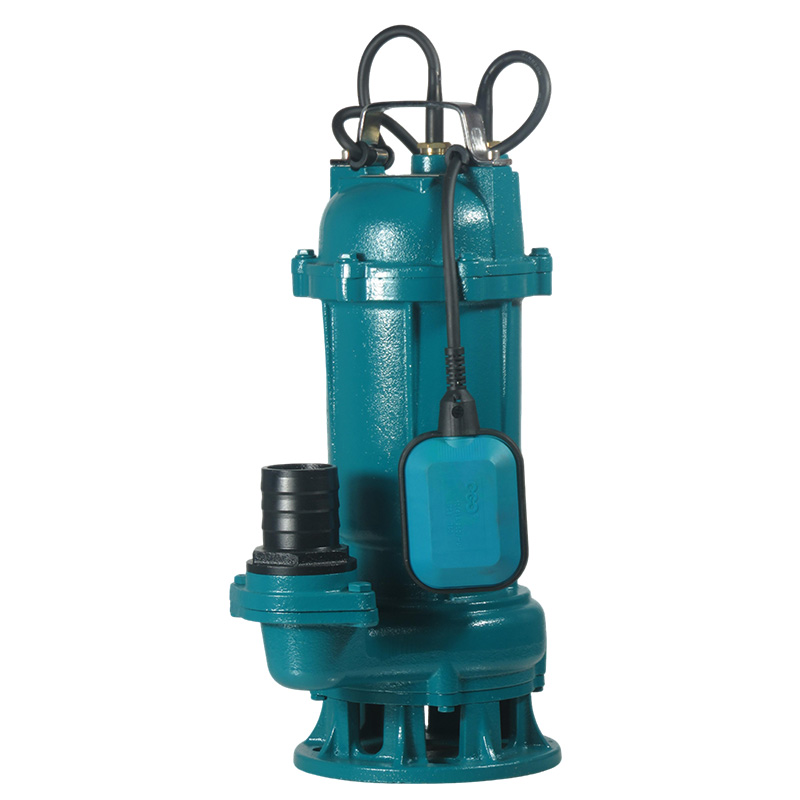
Protecting a below-grade living space from water damage requires meticulous planning, accurate hydraulic sizing, and proper execution. At Flyaway, our engineering and technical support teams frequently assist homeowners and contractors with below-grade water management challenges. Based on practical field insights and industry-standard plumbing practices, this comprehensive technical guide outlines the essential steps for successfully deploying a drainage pump in residential environments. Implementing a proper residential basement drainage pump system ensures your home remains dry, structurally sound, and free from moisture-related deterioration during heavy rainstorms or high subterranean water table conditions. Selecting the ideal drainage pump for your property starts with a thorough understanding of local hydrology, foundation design, and subsurface water pressures.
Before undertaking any drainage pump installation, a comprehensive assessment of the site's hydrological conditions must be conducted by experienced technicians. Homeowners should measure the peak water influx expected during heavy precipitation and calculate the total dynamic head—which includes the vertical lifting distance from the pit floor to the discharge point plus friction losses across the discharge piping. Selecting equipment with an optimal flow curve ensures that water is evacuated swiftly without placing excessive thermal or mechanical strain on the electric motor. During this evaluation phase of your drainage pump installation project, excavation for the sump basin must be carefully planned in the lowest point of the basement floor where water naturally accumulates, ensuring that the basin is deep and wide enough to accommodate the unit and a reliable float switch without crowding. Proper site preparation prevents costly structural failures later and guarantees smooth hydraulic performance.
The physical installation begins with excavating the ground to fit the sump basin, which serves as the central collection reservoir for the entire system. The pit must be dug deep enough so that the rim of the basin sits flush with or slightly below the surrounding concrete floor grade. At Flyaway, we advise packing washed gravel or crushed stone around the exterior walls of the basin during backfilling to stabilize the structure and facilitate smooth groundwater migration into the pit inlets. Perforated basins are typically utilized in high-water-table zones to allow subterranean seepage to enter freely, while solid basins are preferred if surface water is being directed inward via interior perimeter French drain channels. Proper compaction of the sub-base prevents future settling and structural cracking around the pit perimeter, ensuring that your newly installed residential basement drainage pump operates without structural shifting or mechanical binding.
Once the basin is securely anchored, lowering and positioning the drainage pump requires strict adherence to manufacturer specifications and electrical safety codes. The unit must rest level on the bottom of the basin to prevent premature bearing wear and ensure that the vertical float switch moves freely without catching against the basin walls or discharge pipes. A durable check valve must be installed on the discharge line immediately above the unit outlet to prevent discharged water from flowing backward into the basin once the motor cycles off. Additionally, incorporating a union fitting directly above the check valve simplifies future maintenance or removal tasks, allowing technicians to detach the drainage pump system quickly without cutting rigid PVC or ABS plumbing lines. Every residential basement drainage pump must be plumbed with precise alignment to minimize backpressure and optimize flow velocity across all operating cycles.
Electrical safety in a damp basement environment is paramount and must be handled by a licensed professional in compliance with local electrical codes. The power supply should feature a dedicated circuit equipped with a Ground Fault Circuit Interrupter (GFCI) to mitigate shock hazards in wet conditions. Modern installations benefit from integrating advanced control panels or built-in thermal overload protection mechanisms that safeguard the motor against overheating, voltage fluctuations, and dry-running damage. Furthermore, testing the float switch manually by filling the basin with water verifies that the automatic switch triggers precisely at the intended water level and shuts off cleanly once the basin is emptied. Throughout the wiring process of your drainage pump installation, maintaining proper grounding and weather-resistant connections is critical for long-term operational safety.
The final phase of a successful project involves a comprehensive wet-test commissioning to evaluate overall system performance. Fill the sump pit gradually until the automatic float switch activates the motor, observing the discharge flow rate and checking all pipe joints, check valves, and fittings for leaks. Regular post-installation maintenance is vital for long-term reliability; homeowners should inspect the basin quarterly, clear any accumulated debris or silt from the bottom, and verify that the impeller spins freely. By adhering to these professional guidelines and utilizing robust equipment from Flyaway, your below-grade drainage infrastructure—anchored by a dependable drainage pump and a high-performance residential basement drainage pump configuration—will deliver dependable, long-lasting flood protection for years to come.
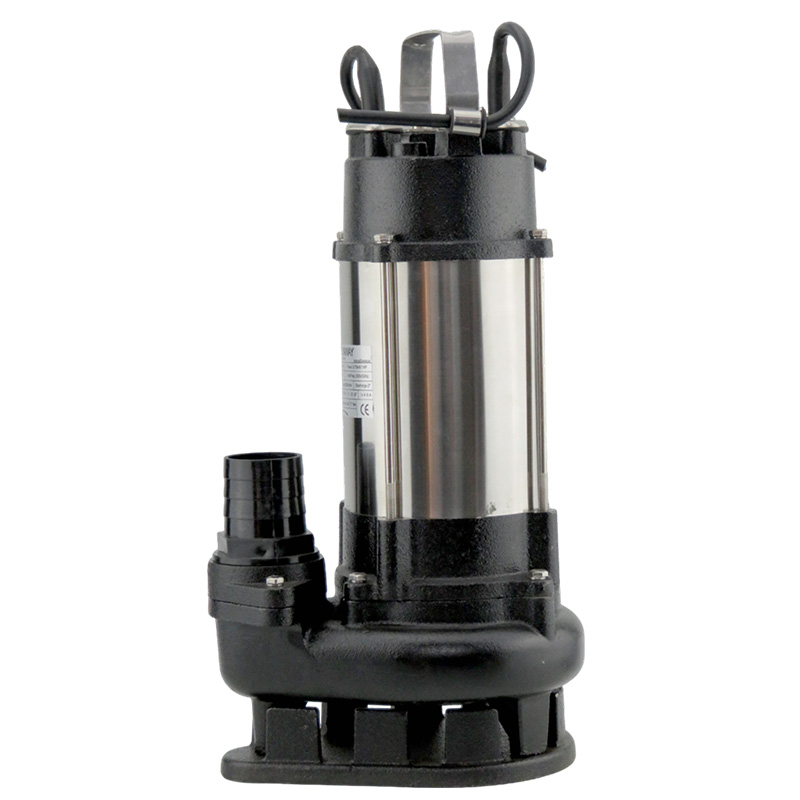
2026/09/15
Discover how a reliable sewage water pump and advanced wastewater pumping solutions enhance drainage network efficiency for municipal and industrial systems.
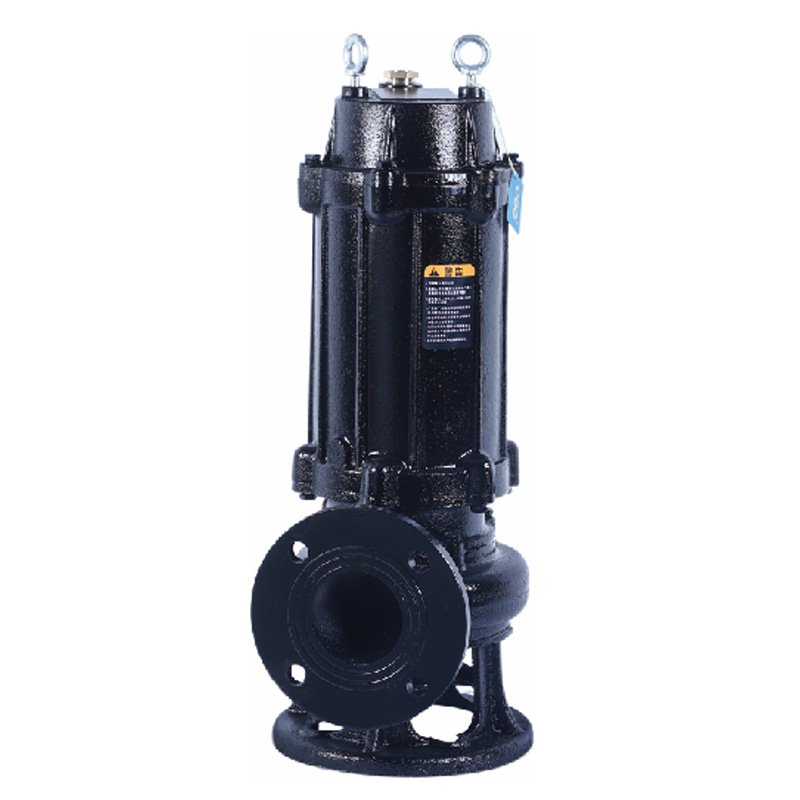
2026/09/15
Discover expert tips for drainage pump selection, material grades, and motor specs. Explore high-performance industrial drainage pumps by Flyaway today.
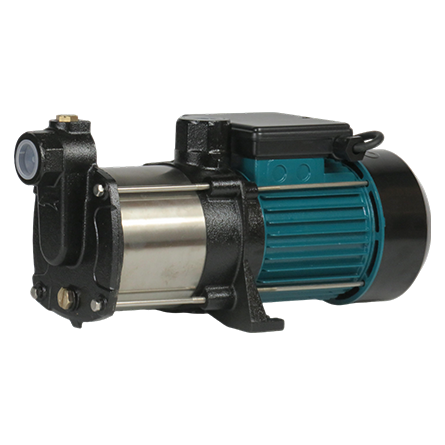
2026/09/15
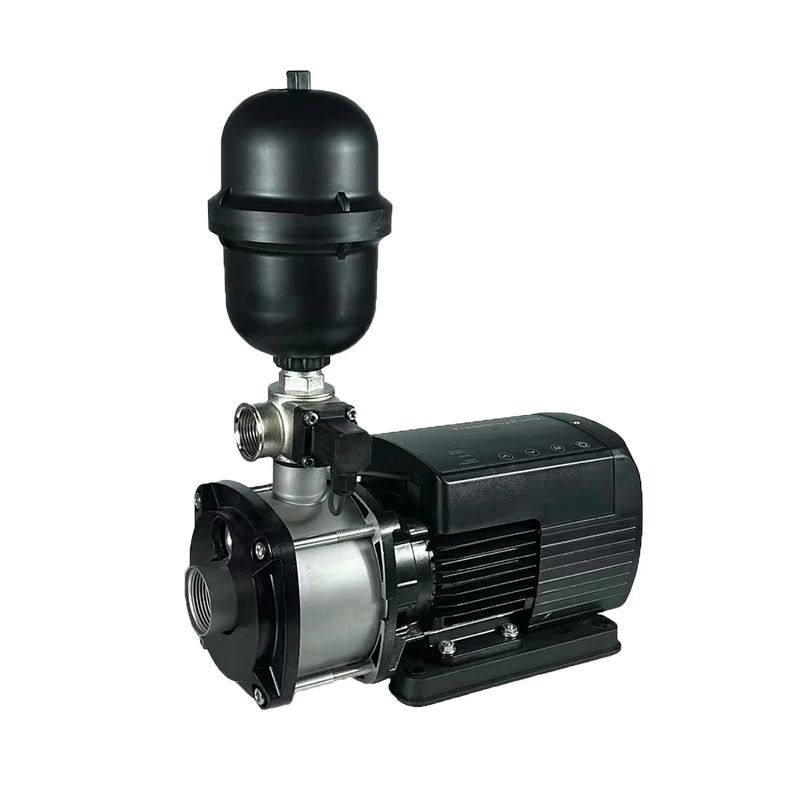
Discover expert tips on centrifugal pump selection, sizing, and material benefits to find the ideal industrial stainless steel fluid transfer solution.
2026/09/15
Discover how to choose the right commercial solar pump for your needs. Learn key metrics, MPPT controller roles, and durability tips for your off-grid project.
2026/09/15
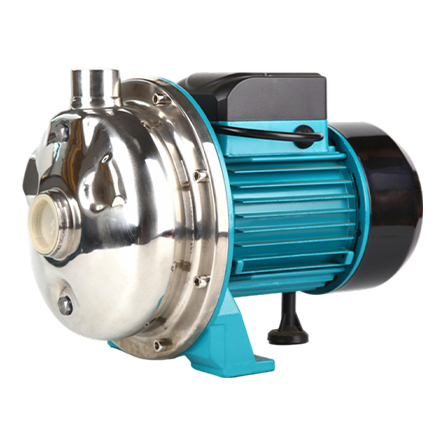
Discover expert tips on OEM water pump sourcing from Flyaway. Learn how global OEM suppliers ensure quality, materials, and timely delivery.
