
 EN
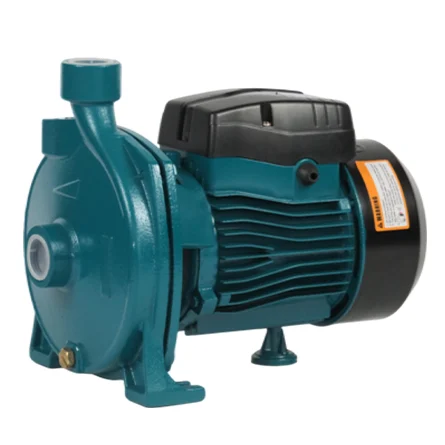
Solar Pump Solutions for Irrigation
When running an agricultural operation where grid power is unreliable, fuel delivery is costly, or fields sit far from utility lines, finding a dependable way to move water becomes a top priority. A quality agricultural setup is far more than just a solar panel wired directly to a motor. Building a reliable irrigation network means engineering a complete fluid-movement system sized specifically around a farm's daily crop demand, water source depth, pipe friction, and seasonal sunlight hours.
For farm owners and project managers, the primary question should never be about which model boasts the highest abstract rating. Instead, the focus must land entirely on what flow rate and pressure the setup needs to deliver right at its actual operating point. Taking time to map out these hydraulic realities before comparing catalog models ensures your irrigation stays consistent through every growing season and remains practical to service when maintenance is due.
Start with the Irrigation Duty Rather Than Panel Size
Every successful water-moving project begins with a practical, realistic water budget. You need to estimate the exact water volume required per day, the specific operating hours available for irrigation, the nature of the water source, and your chosen delivery method. Drip irrigation zones, high-pressure sprinkler lines, and overhead storage tanks demand vastly different combinations of flow and operating pressure, even when installed on the exact same piece of farmland.
Next comes calculating the total dynamic head. This metric combines vertical lift from your water source, elevation changes up to the delivery point, required outlet pressure, and internal friction losses through pipes, filters, and valves. A solar pump selected only on maximum lift height often falls short because pipe friction naturally escalates as water velocity increases. Long pipe runs, undersized diameters, or neglected filters can easily shift your operating point away from expected performance.
-
Daily water requirement: Determine the exact volume your crops and watering schedule actually need.
-
Flow rate: Decide how much water must arrive each hour during the usable daylight window.
-
Total dynamic head: Add static lift, elevation, pressure requirements, and friction losses together.
-
Water quality: Note sand, sediment, salinity, or debris before choosing pump construction materials and filtration.
A thorough agricultural sizing review treats daily demand, total dynamic head, pipe friction, and solar resource as interconnected pieces of a single puzzle. This approach prevents an oversized solar array from being wasted on a restrictive hydraulic layout that still chokes water delivery. Proper coordination between hydraulic resistance and electrical input guarantees that the system operates at maximum efficiency throughout the peak sun hours of the day.
Choose the Right Configuration for Your Water Source
No single pump configuration fits every farm or remote landscape. The physical water source and required duty point dictate whether a submersible pump, a surface unit, or an indirect transfer arrangement serves you best. Selecting the appropriate configuration ensures long-term operational stability and minimizes unexpected equipment wear in harsh rural environments.
Submersible solar pump systems are ideal for deep boreholes, wells, and water tables where traditional suction lift would restrict a surface unit. Keeping the pumping mechanics fully submerged simplifies deep-source operations, provided you verify bore diameters, pumping water levels, and robust cable protection. These units push water upward efficiently, handling significant vertical lifts while remaining protected from surface-level interference and environmental vandalism.
Surface solar pump systems work exceptionally well for open canals, ponds, and shallow storage tanks where priming and suction conditions are favorable. These surface units offer easier visual inspection and routine upkeep, though intake lines, foot valves, and debris strainers require close attention. When handling water loaded with sand or organic matter, reliable filtration keeps the internal components protected against abrasion and premature mechanical failure.
Water transfer and storage setups involve running the pump during peak sunlight hours to fill an elevated or ground-level storage tank, allowing irrigation to run independently later. This strategy matches variable sunshine to crop timing without relying on expensive battery banks. Because pumping output fluctuates during cloudy weather, winter months, and night hours, integrating water storage into your design ensures uninterrupted crop health and consistent field moisture management.
Design the Complete System Around Field Realities
Many field failures stem from treating the pump as an isolated piece of equipment. A dependable solar pump must work seamlessly with the photovoltaic array, motor controller, pipe network, filters, storage tanks, and irrigation emitters. Treating every element as part of an integrated network prevents common operational bottlenecks.
-
Match the pump curve directly to your calculated duty point rather than relying on maximum theoretical limits.
-
Size the solar array for local meteorological conditions, temperature shifts, panel orientation, and controller input limits.
-
Control the water source by adding dry-run protection for dropping wells and level sensors to prevent tank overflows.
-
Reduce avoidable friction by choosing appropriate pipe diameters and smooth routing pathways.
-
Plan filtration and maintenance access from day one to protect your entire irrigation network from source debris.
Efficient field hardware supports better water management, but system scheduling, distribution uniformity, and careful source management ultimately determine overall efficiency. Flyaway delivers comprehensive engineering and reliable manufacturing support, providing durable solar pump solutions engineered to perform under demanding field conditions worldwide. Our advanced supply chain and custom manufacturing capabilities ensure that every agricultural enterprise receives robust, tailor-made fluid systems designed to maximize crop yields while minimizing operational downtime.






