 EN
EN
Domestic Water Pump Solutions for Homes
2026/09/08
Discover efficient domestic water pump solutions by Flyaway. Improve residential water pressure, ensure steady flow, and optimize home utility today.

2026/09/08
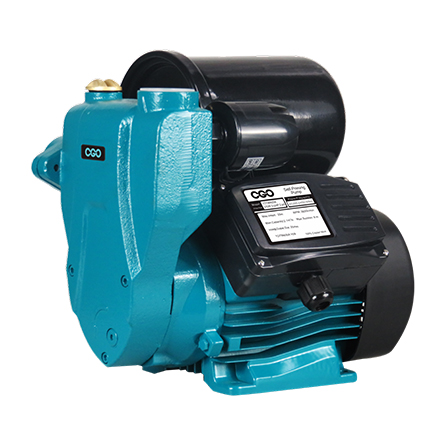
When designing or upgrading residential, commercial, or light industrial fluid delivery systems, maintaining stable water flow is crucial for both user convenience and equipment longevity. In our engineering practice at Flyaway, we frequently encounter clients dealing with erratic water pressure drops, which can cause severe discomfort and wear out plumbing fixtures prematurely. A constant pressure water pump equipped with a Variable Frequency Drive (VFD) solves this issue by dynamically adjusting motor speed based on real-time water demand. Unlike traditional single-speed pumps that operate strictly at full capacity or remain idle, VFD-integrated systems modulate frequency smoothly. According to hydraulic engineering guidelines and authoritative industry data, maintaining steady pressure prevents hydraulic shock (water hammer) and optimizes energy consumption across varying operational cycles. This foundational technology ensures that whether a single bathroom faucet is running or multiple irrigation zones are active, every modern constant pressure water pump maintains perfectly stable discharge pressure, providing an optimal user experience without unnecessary mechanical strain. Furthermore, understanding these core fluid dynamics allows facility planners to design robust piping layouts that maximize overall system efficiency and reliability from day one.
Selecting the right constant pressure water pump requires a rigorous evaluation of your specific application parameters, including maximum flow rate (Q) and total dynamic head (TDH). In practical field assessments, underestimating peak demand leads to pressure starvation, while over-sizing results in inefficient energy consumption and short-cycling issues. When reviewing specifications on professional platforms like cgopump.com, engineers should calculate cumulative simultaneous water usage rather than nominal fixture counts. For instance, a multi-story residential building, a commercial greenhouse, or a manufacturing facility requires precise mapping of elevation losses, pipe friction, and desired outlet pressure. By matching these exact operational points against pump performance curves, technicians ensure that the VFD operates within its optimal efficiency zone. This careful sizing methodology guarantees reliable fluid transfer, prevents motor overheating, and upholds the rigorous reliability standards expected in modern fluid engineering applications. Additionally, performing comprehensive load calculations prevents common sizing pitfalls and ensures seamless integration with existing municipal or well-water supply networks.
Energy consumption represents a major operational expenditure in continuous water supply systems, making efficiency a primary purchasing criterion for facility managers. Traditional fixed-speed pumps consume maximum power regardless of whether water demand is high or minimal. In contrast, integrating a Variable Frequency Drive into a constant pressure water pump aligns electrical power consumption directly with fluid output requirements, following the cubic affinity laws of centrifugal pumps. Field data collected across numerous industrial and residential installations demonstrate that reducing motor speed by even twenty percent can result in substantial electrical savings. Furthermore, soft-starting capabilities built into modern VFD controllers eliminate the massive electrical inrush currents associated with direct-on-line starting. This protects electrical winding insulation, reduces mechanical stress on shaft couplings and impellers, and significantly lowers long-term maintenance costs for building managers and facility operators. By leveraging these advanced variable speed capabilities, businesses deploying any premium constant pressure water pump can significantly reduce their carbon footprint while achieving rapid return on investment through lower utility bills.
Proper installation and robust electrical integration are critical determinants of long-term system reliability and safety. When deploying a constant pressure water pump, technicians must ensure adequate inlet pressure (Net Positive Suction Head Available) to prevent damaging cavitation within the pump wet end. Additionally, electrical enclosures must be rated appropriately for the installation environment—whether indoor utility rooms or outdoor weather-sheltered enclosures—to protect sensitive VFD inverter electronics from moisture and dust ingress. Industry best practices also dictate the inclusion of dry-run protection, thermal overload relays, and surge suppression devices to safeguard against grid instabilities. At Flyaway, our technical recommendations emphasize correct pressure sensor placement downstream of the check valve to provide accurate feedback loops to the VFD controller. Adhering to these professional installation standards guarantees stable, maintenance-free operation throughout the equipment lifecycle and prevents costly operational interruptions caused by improper wiring or sensor misalignment.
Proactive maintenance ensures that every installed constant pressure water pump continues to deliver peak performance over years of continuous operation. Routine inspections should focus on verifying pressure sensor calibration, checking electrical terminal tightness, and inspecting cooling fans on the VFD inverter enclosure to prevent thermal throttling. Although modern inverter-driven systems feature advanced diagnostic self-checks and error code displays, operators should periodically monitor operating frequencies and current draws to detect early signs of mechanical wear or impeller blockage. If pressure fluctuations occur, technicians should first inspect the pressure tank pre-charge pressure and verify that sensor feedback lines are free of sediment buildup. By following structured maintenance protocols recommended by pump manufacturers, facility operators can minimize unexpected downtime, extend equipment lifespan, and ensure uninterrupted water supply reliability for end users. Establishing a regular schedule for these preventive checks is essential for sustaining optimal hydraulic efficiency and protecting your investment over the long term.
2026/09/08
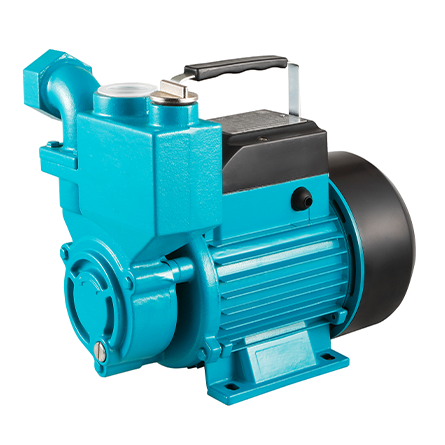
Discover efficient domestic water pump solutions by Flyaway. Improve residential water pressure, ensure steady flow, and optimize home utility today.
2026/09/08
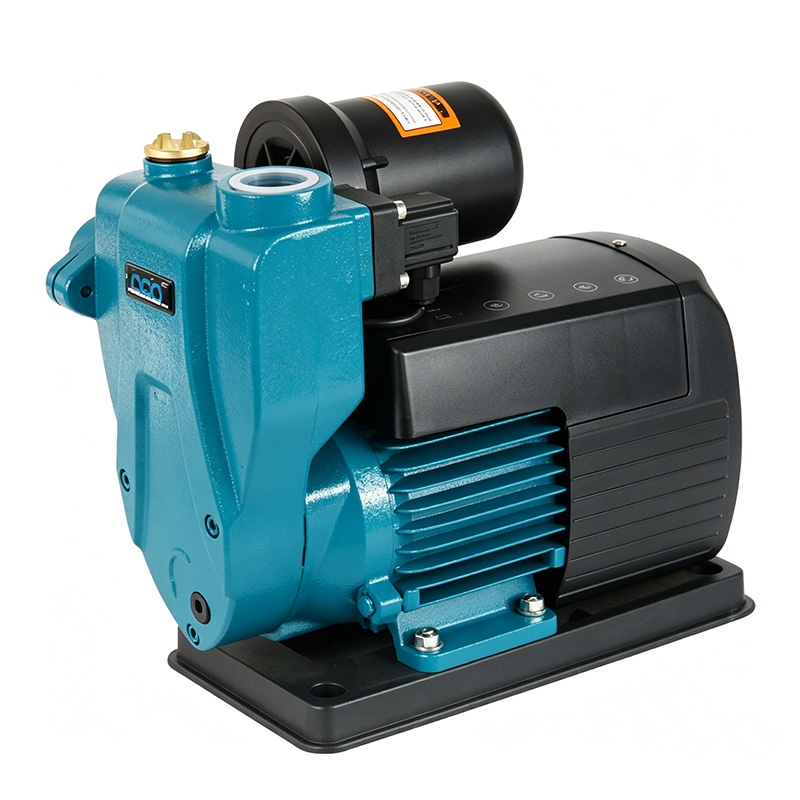
Discover key benefits of using self priming pumps for industrial fluid transfer. Learn how Flyaway solutions improve efficiency and reduce maintenance costs.
2026/09/08
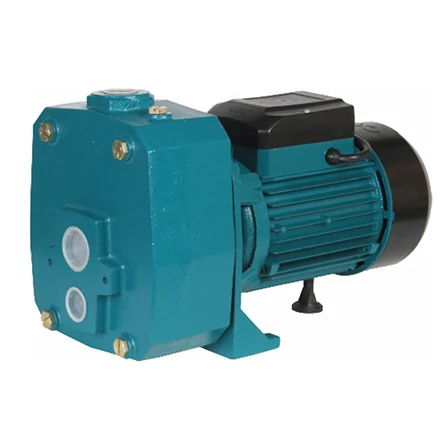
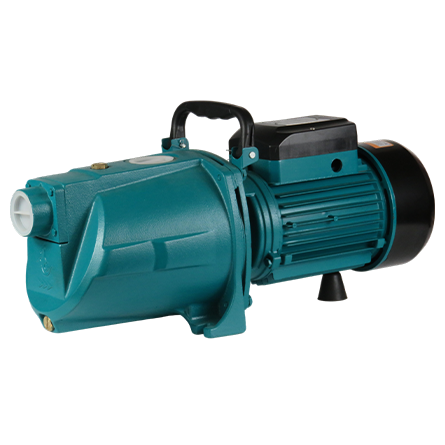
Discover what a jet pump is and its key uses in residential water supply, agricultural irrigation, and deep well extraction. Learn more with Flyaway.
2026/09/08
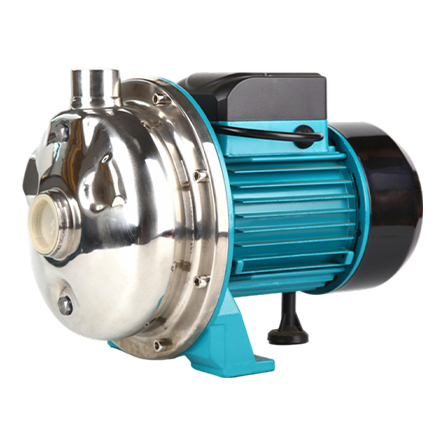
Discover why high-performance agri pumps are essential for modern crop irrigation systems. Learn expert selection tips and boost farm efficiency
2026/09/08
Discover expert tips on choosing the right clean water pump for your facility. Learn about flow rates, motor specs, and maintenance with Flyaway.
