 EN
EN
Pump Size Solutions for Water Flow
2026/09/13
Discover expert pump size solutions and water flow optimization strategies by Flyaway. Master centrifugal pump selection to improve industrial efficiency.

2026/09/12
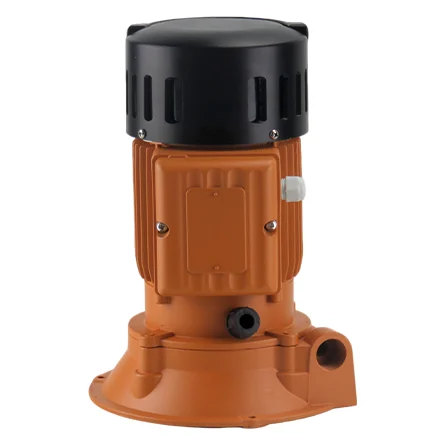
In modern farming and large-scale agricultural operations, maintaining a consistent, reliable, and well-regulated water supply is absolutely critical for maximizing crop yield, enhancing nutritional quality, and securing overall field productivity. Drawing from extensive hands-on agricultural engineering experience and comprehensive agronomic studies, deploying a high-performance irrigation pump fundamentally transforms how water is transported from natural sources like rivers, deep underground wells, lakes, or constructed reservoirs directly into extensive crop irrigation networks. Based on operational insights, technical documentation, and field observations provided by Flyaway, ensuring precise hydraulic integration helps farm managers maintain uniform soil moisture across massive tracts of arable land without experiencing unexpected mechanical downtime or pressure drops during peak growing seasons. An advanced irrigation pump acts as the essential beating heart of agricultural fluid infrastructure, stabilizing pressure fluctuations, preventing crop water stress under blistering summer heat conditions, and significantly enhancing water utilization efficiency across rural farming communities. Furthermore, integrating a reliable irrigation pump into daily field routines allows agronomists to implement precise scheduling, ensuring that every square meter of planted crops receives the exact volume of water required for optimal root development and vegetative growth.
When evaluating an irrigation pump for commercial agricultural enterprises, cooperative farming units, or independent farm applications, conducting a thorough review of precise technical specifications prevents costly equipment mismatching and guarantees long-term operational stability. Key technical parameters typically include maximum volumetric flow rate measured accurately in cubic meters per hour or gallons per minute, total dynamic head, specific power source requirements, electrical voltage stability, and exact inlet or outlet pipe diameters. According to established agricultural industry standards and hydraulic engineering principles, operating an irrigation pump system strictly within its optimal efficiency range successfully avoids destructive hydraulic cavitation, excessive vibration, bearing overheating, and accelerated impeller wear over years of continuous use. Flyaway engineering guidelines emphasize carefully matching pump performance curves with actual field topographical layouts to completely eliminate energy waste, reduce friction head losses, and secure maximum hydraulic output for every kilowatt of power consumed. Additionally, reviewing operational safety thresholds and inlet suction limits prevents priming failures and ensures uninterrupted fluid transfer under fluctuating water table levels.
The careful choice of robust construction materials directly impacts how well an irrigation pump resists abrasive wear, chemical corrosion from fertilizers, and harsh environmental weather conditions throughout its extended service life. According to strict manufacturing guidelines and metallurgical standards implemented by Flyaway, utilizing premium corrosion-resistant components like heavy-duty gray cast iron pump bodies, lightweight aluminum alloy motor housings, and precision-machined brass or stainless steel impellers prevents internal structural degradation and oxidation. Our practical maintenance evaluations and field diagnostics continuously demonstrate that equipment equipped with high-grade mechanical ceramic seals, thermal overload protection, and external cooling ventilation experiences significantly fewer leakage issues, bearing breakdowns, and seal failures over years of continuous outdoor service in demanding agricultural environments, ultimately minimizing costly repair interventions and replacement expenses. Regular inspections of these structural elements ensure that each operational irrigation pump maintains peak mechanical integrity throughout intense multi-season agricultural cycles.
Deploying an intelligently sized and highly efficient irrigation pump significantly reduces daily operational energy costs while delivering reliable, uniform water pressure for modern overhead sprinkler systems, center-pivot setups, or advanced subsurface drip irrigation networks. Practical field cases and agricultural economics studies clearly show that oversizing equipment drastically increases upfront capital expenditure and monthly utility bills, whereas undersizing results in insufficient water pressure, uneven field distribution, and poor crop coverage. At Flyaway, our unwavering focus on precision hydraulic design, variable-frequency drive compatibility, and intelligent flow control ensures that modern farmers achieve maximum water discharge with minimal electrical or fuel input, safeguarding long-term agricultural investments, improving operational budgets, and maximizing net profit margins across multiple seasonal harvests. Proper energy optimization also curtails carbon footprints in rural agricultural zones, promoting green farming practices without sacrificing pumping power or discharge volume.
Ultimately, utilizing a dependable and well-maintained irrigation pump ensures that agricultural enterprises can effectively mitigate severe water scarcity challenges and erratic weather patterns through precise, controlled, and automated delivery mechanisms. By maintaining steady, optimal moisture levels across large-scale commercial estates and family-owned farms alike, farm operators can substantially reduce manual labor intensity, minimize water runoff, and focus entirely on holistic crop management and overall field productivity. Flyaway remains fully committed to providing robust, reliable, and eco-friendly fluid solutions that actively support sustainable water conservation, responsible resource allocation, and long-term agricultural success across global farming communities. Through continuous innovation in fluid mechanics and rigorous testing protocols, each irrigation pump designed and delivered by Flyaway empowers modern growers to achieve unprecedented agricultural excellence while preserving precious natural water reserves for future generations.
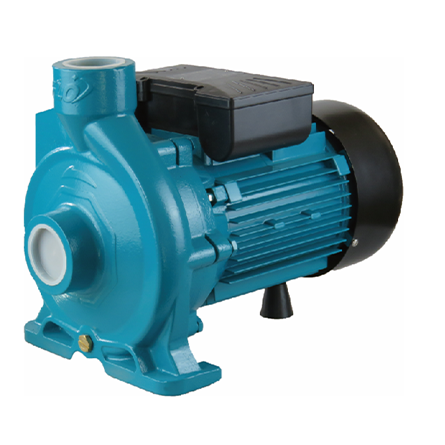
2026/09/13
Discover expert pump size solutions and water flow optimization strategies by Flyaway. Master centrifugal pump selection to improve industrial efficiency.
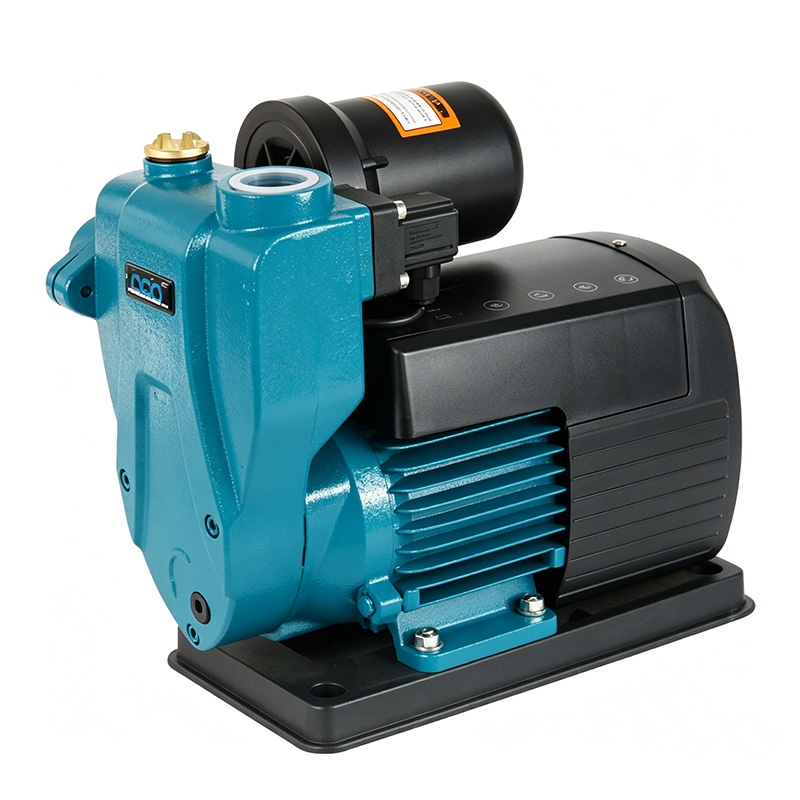
2026/09/13
Learn the importance of self priming pumps setup and industrial pump installation. Discover Flyaway hydraulic principles, tips, and maintenance best practices.
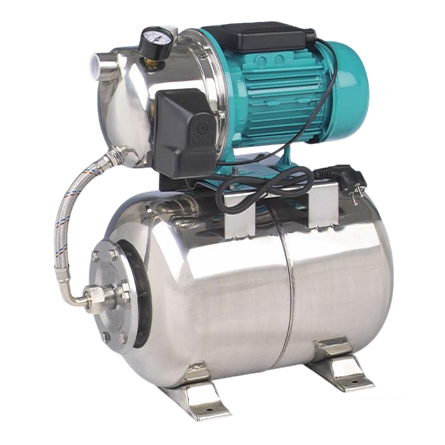
2026/09/13
Master pump size selection for plumbing systems with Flyaway. Learn how correct plumbing pump sizing prevents pressure drops and ensures steady water flow.

2026/09/13
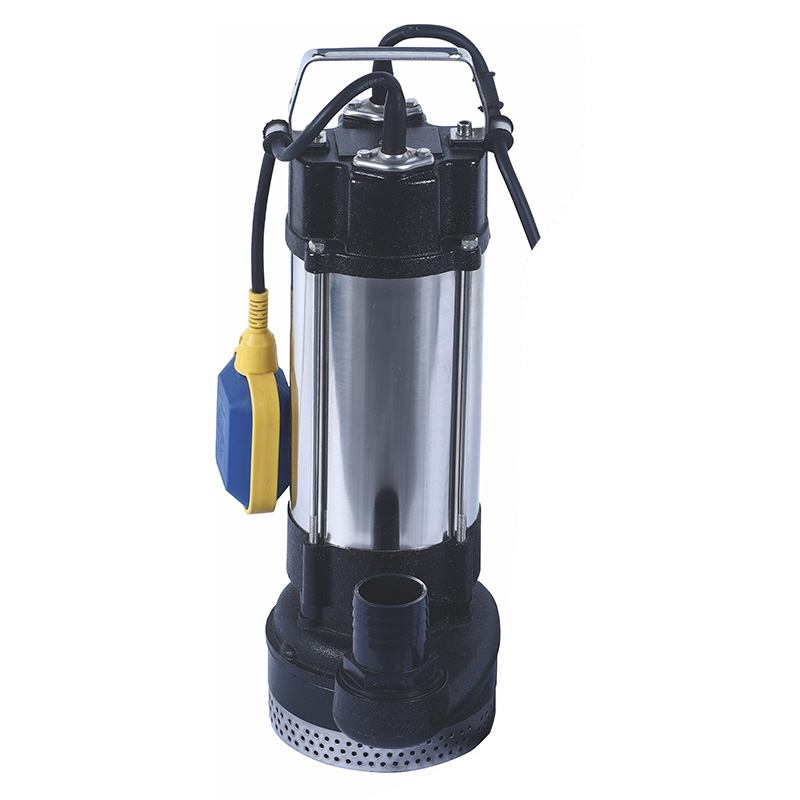
Discover key benefits of using a jet pump. Explore Flyaway insights on suction lift, energy efficiency, and industrial applications for reliable water systems.
2026/09/13
Discover why reliable heavy equipment is crucial for facility water treatment, ensuring stable fluid dynamics, smooth daily operations, and maximum efficiency.
2026/09/13
Discover the top benefits of using a solar pump for your irrigation and off-grid needs. Learn how Flyaway solutions lower costs and boost efficiency.
