 EN
EN
Benefits of Custom Branding With an OEM Water Pump Manufacturer
2026/09/10
Explore the benefits of custom branding with an OEM water pump manufacturer. Partner with Flyaway for tailored engineering and reliable pump solutions.

2026/09/10
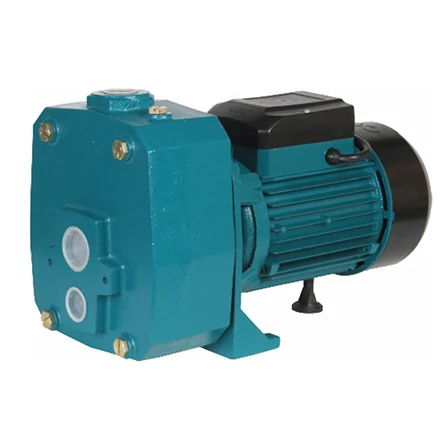
When designing or upgrading a home water supply setup, choosing the right equipment is critical for everyday comfort, and selecting a reliable jet pump stands at the very center of this process. At Flyaway, our engineering and technical support teams frequently assist homeowners who struggle with low water pressure or inconsistent supply. A standard jet pump functions by utilizing an internal impeller and a venturi tube combination to draw water from an underground source, generating the necessary suction and pressure required for modern household appliances like showers, washing machines, and irrigation systems. Based on our practical field observations and years of hands-on installation experience, understanding your household's exact daily water demand is always the first vital step before purchasing any jet pump. If you miscalculate your household peak usage, even a high-end jet pump may fail to deliver adequate pressure during simultaneous water use. Therefore, homeowners should carefully evaluate their total plumbing layout, the depth of their water source, and the specific pressure requirements of their fixtures to ensure the selected jet pump performs efficiently under real-world conditions without unnecessary energy consumption or premature mechanical wear. In addition, assessing your pipe diameters and friction losses helps optimize overall system hydraulic efficiency.
The physical architecture of your water source dictates whether you need a shallow well or a deep well configuration for your jet pump. In general, a shallow well jet pump is designed for water tables located twenty-five feet or less beneath the ground surface, utilizing a single pipe system where the jet pump itself remains above ground and draws water upward through suction. Conversely, if your water source is situated deeper than twenty-five feet, a standard shallow configuration will lose its priming capability, necessitating a deep well jet pump system equipped with a twin-pipe assembly or a packer assembly down in the well bore. Our technical specialists at Flyaway always emphasize that misidentifying your well depth is the most common error leading to system failure, making accurate depth measurement a non-negotiable prerequisite. When a deep well jet pump is correctly specified and installed, it creates a powerful combination of centrifugal force and venturi-driven suction that effectively pulls water from greater depths. Evaluating this geological factor ensures that your chosen jet pump operates within its optimal hydraulic limits, preventing cavitation, overheating, and frequent motor burnout over its operational lifespan. Furthermore, proper casing sealing prevents surface contamination and maintains system integrity.
Performance specifications such as horsepower (HP), gallons per minute (GPM), and pounds per square inch (PSI) are vital metrics to analyze when shopping for a reliable jet pump. A common misconception among consumers is that a higher horsepower rating automatically equates to a better jet pump for every home, but an oversized jet pump can lead to rapid cycling, excessive energy bills, and premature component fatigue. At Flyaway, we recommend matching the jet pump capacity directly to the specific hydraulic demands of your household layout, accounting for pipe friction loss and vertical elevation changes between the water source and your taps. For an average family home, a 1/2 HP to 1 HP jet pump typically provides sufficient pressure and flow rate to maintain a steady 30/50 or 40/60 PSI pressure switch setting. Furthermore, reviewing the pump performance curves provided by manufacturers allows you to see how efficiently the jet pump delivers water at varying total dynamic heads. By balancing horsepower with actual flow requirements, your selected jet pump will deliver reliable, energy-efficient performance for years to come while reducing unnecessary mechanical stress on internal valves and seals.
Durability and material construction are paramount considerations when investing in a long-lasting jet pump for residential applications. A premium-grade jet pump often features a rugged cast iron or corrosion-resistant stainless steel pump housing designed to withstand harsh environmental conditions, mineral-heavy water, and continuous mechanical stress. At Flyaway, our quality control assessments show that pump bodies constructed from robust cast iron provide superior noise dampening and structural integrity, while stainless steel components offer exceptional resistance to rust and wear in aggressive water chemistry environments. Additionally, internal components such as the diffuser, impeller, and mechanical seal must be precision-engineered to prevent leaks and maintain consistent hydraulic efficiency within the jet pump. When consumers prioritize durable materials over upfront cost savings, their jet pump requires significantly fewer repairs and maintenance interventions. Ensuring that your chosen jet pump utilizes high-grade materials guarantees peace of mind and safeguards your household against unexpected water supply interruptions caused by mechanical breakdown or corrosion damage.
Proper installation and routine maintenance are the ultimate determinants of how successfully your jet pump will operate over its service life. Before mounting your new jet pump, ensure that it is placed on a clean, level, and dry surface protected from freezing temperatures and excessive moisture. At Flyaway, our field technicians always recommend installing a high-quality foot valve or check valve at the intake line to prevent the jet pump from losing its prime, which is a frequent cause of dry-running damage and motor failure. Regularly inspecting the pressure tank, pressure switch, and electrical connections will also help you catch minor issues before they escalate into major operational failures of the jet pump. By following these structured installation guidelines and adhering to professional maintenance schedules, your jet pump will maintain peak hydraulic performance, delivering dependable water pressure to every corner of your residential property for years to come. Ultimately, proactive care preserves your investment and ensures a seamless water supply for your household.
2026/09/10
Explore the benefits of custom branding with an OEM water pump manufacturer. Partner with Flyaway for tailored engineering and reliable pump solutions.

2026/09/10
Discover how to choose, install, and maintain a water pump sprinkler irrigation system for your farm. Expert guide by Flyaway to boost crop yield.

2026/09/10
Discover the top advantages of partnering with Flyaway for a custom OEM water pump. Benefit from precision engineering, strict quality control, and factory-direct value.
2026/09/10
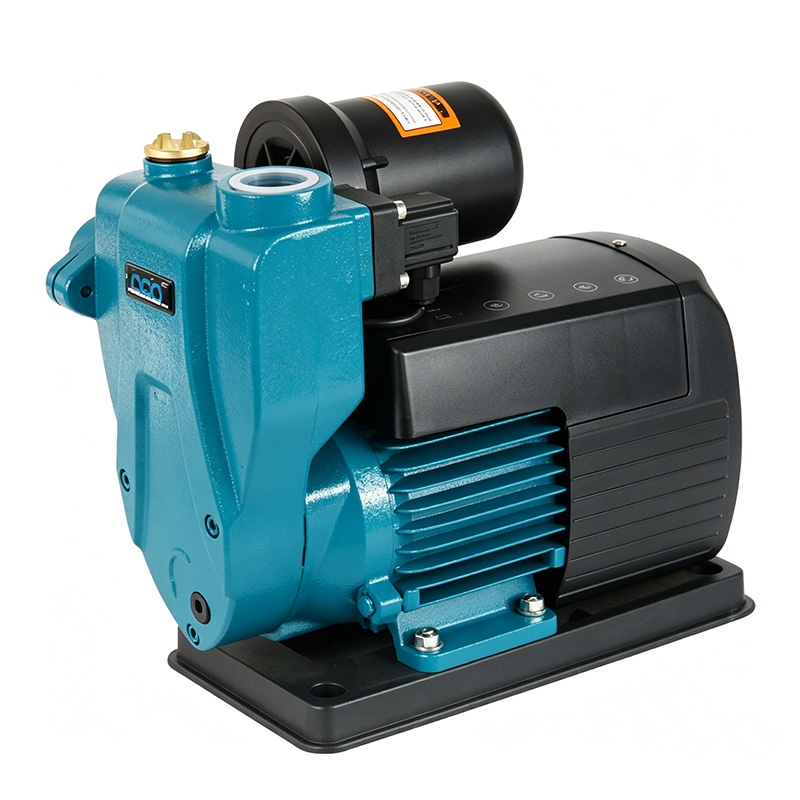
Discover key features of Flyaway self priming pumps. Explore reliable performance, 9m suction lift, and durability for domestic and agricultural water needs.

2026/09/10
Learn how to evaluate a reliable OEM water pump factory. Discover key tips on capacity, quality control, R&D, and custom solutions for your business.
