
 EN
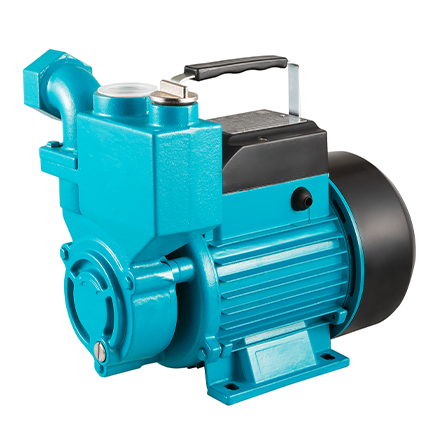
A circulation pump solves a frustrating everyday problem: water or heating fluid is available, but it is not where you need it right away. In a domestic hot water setup, standing at a distant faucet while cooled water leaves the pipe before hot water arrives is a common annoyance. In a hydronic heating or cooling loop, the system needs a reliable way to keep fluid moving continuously through piping and terminal equipment. Choosing the right circulation pump is less about adding pressure for its own sake and more about maintaining useful flow through a defined loop.
From a pump selection perspective, the first question is not which model is the biggest. It is what loop you are trying to serve. A circulation pump for domestic hot water, a boiler loop, and a spa loop can all move water continuously or intermittently, but their materials, controls, temperatures, water quality requirements, and installation details differ significantly. That boundary matters before anyone compares horsepower or price.
Faster Hot Water Where People Use It
The most familiar use case is a hot water circulation pump in a building where the water heater sits far from showers, sinks, or wash stations. Without recirculation, water that cooled inside the hot water pipe is normally discharged down the drain until fresh heated water finally reaches the fixture. A circulation pump for water heater applications moves that cooler water back toward the heater so the next demand point can receive hot water much sooner.
That does not mean every single building requires a circulation pump. A compact layout with short pipe runs may already provide acceptable wait times. However, longer buildings, multi-story properties, homes with remote bathrooms, and facilities where user comfort matters often benefit from evaluating one. The value is practical: less waiting at the tap, less avoidable water sent to the drain, and a more predictable daily experience for everyone in the building.
ENERGY STAR describes demand recirculation as returning cooled water from the hot water line to the heater rather than letting it run down the drain while waiting. That mechanism explains why a water heater recirculation pump can improve delivery comfort without changing the main water heater itself. Still, the pipe layout and control method determine whether the system is a sensible fit for the property.
How a Circulation Pump Operates in a Closed Loop
A circulation pump creates enough differential pressure to overcome friction in piping, fittings, valves, and equipment while keeping fluid moving around a closed path. Think of it like keeping a bicycle moving on a level route: the goal is not to climb a mountain, but to overcome the mechanical resistance that would otherwise slow the system to a stop.
In a dedicated return hot water design, the circulation pump sends water through the hot water line and back to the heater through a separate return line. In some retrofit arrangements, a circulation pump for water heater service may use the cold water line as a temporary return path with a compatible crossover valve. These layouts are not interchangeable, so local plumbing rules, backflow protection, and manufacturer instructions must be carefully checked before installation.
The same basic principle applies in heating and cooling applications. A circulation pump moves conditioned water through radiators, fan coils, radiant tubing, or heat exchangers. Here the primary objective is consistent heat transfer. Flow that is too low can leave certain zones slow to respond, while a pump selected without considering piping resistance can create noise, control issues, or unnecessary power consumption.
Comfort Is Only Half of the Decision
It is tempting to assume a hot water circulation pump automatically reduces energy use. That conclusion needs a correction. It can reduce wasted water while waiting, but a pump operating continuously may add electricity use and increase heat loss from uninsulated hot water piping. ENERGY STAR specifically notes this trade-off for continuously operated recirculation. In short, water convenience and energy performance should be evaluated together as a complete package.
For many properties, the better question is how to control the circulation pump effectively. A timer can limit operation to predictable peak use periods. A temperature control can avoid running when the loop is already warm. A demand controlled water heater recirculation pump can start only when a button, motion sensor, or flow switch calls for hot water. The most suitable choice depends heavily on occupancy patterns, pipe insulation, fixture distance, and whether users value immediate availability throughout the entire day.
If the building has irregular use, demand control is often worth examining. If the daily schedule is highly repeatable, a timer may be entirely practical. There is no single answer for every circulation pump installation; the useful answer is the one that aligns the control strategy with how the site actually consumes hot water.
When a Circulation Pump Is Especially Useful
-
Long pipe runs: A circulation pump can reduce the delivery delay at farthest fixtures where cooled water sits stagnant in the line.
-
Multi-story or multi-zone buildings: A properly designed hot water circulation pump loop helps maintain consistent delivery across distant areas.
-
Frequent handwashing or cleaning points: Facilities with repeated short draws prioritize prompt hot water availability for hygiene and efficiency.
-
Hydronic heating or cooling loops: A circulation pump is essential for moving heat transfer fluid reliably between the source and terminal equipment.
-
Retrofit projects with a clear compatibility plan: A circulation pump for water heater upgrades may be possible, but the piping arrangement and fixture devices must be fully suitable.
What to Check Before Choosing a Pump
Start with the system rather than the pump nameplate. Measure or map the total loop length, pipe diameter, elevation changes, expected temperature range, and major restrictions such as check valves, strainers, heat exchangers, or mixing valves. In a closed loop, static lift may cancel around the circuit, but friction loss still governs the duty point. That is why a circulation pump should be matched to the required flow rate and calculated resistance instead of being selected only by motor size.
Next, confirm the water and material requirements. A potable water circulation pump must be certified and appropriate for that service, whereas a heating loop pump may face entirely different water chemistry and temperature conditions. Also verify electrical voltage, available controls, maintenance access, isolation valves, and check valves where the design requires them. These small installation details often decide whether a water heater recirculation pump operates quietly and reliably over the long term.
Finally, consider ongoing serviceability. A pump that is easy to isolate, inspect, and replace is easier to keep in operation. Many apparent pump failures actually begin with trapped air in the loop, accumulated debris, a stuck check valve, incorrect electrical rotation, or an installation that does not match the intended control logic. Preventive checks of mechanical seals, electrical connections, and system pressure help protect the circulation pump and the wider plumbing system.
Choosing the Right Solution with Flyaway
Property owners and plumbing contractors need a circulation pump when a recirculating or closed loop system requires dependable fluid movement to deliver hot water faster, distribute heating or cooling, or support a vital process loop. For domestic hot water, a quality hot water circulation pump improves convenience and reduces the volume of water lost during long waits. For heating and cooling, the pump remains central to reliable thermal delivery. Success comes from matching the pump, piping, controls, and maintenance plan to real operating conditions.
Before buying, document the loop and decide whether your priority is response time, schedule based operation, demand control, or thermal distribution. Flyaway provides robust manufacturing solutions, reliable supply chain services, and precision engineered circulation pumps tailored to diverse commercial and residential applications. Partnering with Flyaway ensures dependable fluid movement, superior product durability, and expert support for every demanding installation project.






