 EN
What Is a Water Pump Used For?
2026/10/17
Discover what a water pump is used for across homes, farms, and sites. Learn how Flyaway provides durable manufacturing and supply solutions.

2026/09/28
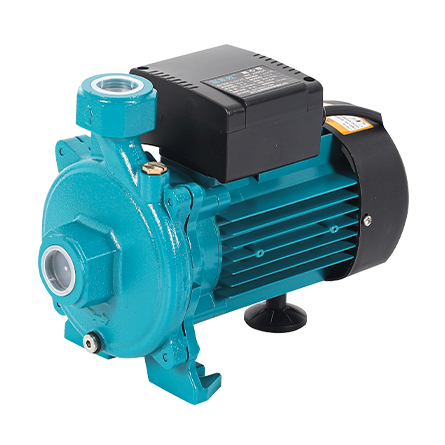
Maintaining industrial and domestic pump systems goes far beyond simply spraying water through the components. A pressure pump operates as a highly calibrated assembly where the motor, water inlet, internal valves, hose, and spray nozzle must align seamlessly to deliver consistent fluid velocity. For field operators looking to boost water pressure safely, diving straight into cleaning without a structured protocol often leads to compromised seals, dry-run scoring, or an instant loss of system pressure.
Utilizing a repeatable, engineering-approved cleaning sequence protects the mechanical integrity of the equipment and keeps the fluid path completely clear. Doing regular pump maintenance keeps everything operational, preventing unexpected downtime and securing continuous water flow. This comprehensive guide outlines the exact procedures required to service cold-water systems and high pressure pump configurations, ensuring long-term reliability and peak performance.
For professional operators and procurement managers, troubleshooting can be systematically mapped to prevent mechanical damage. The following engineering matrix connects common failure points with actionable solutions for any standard water pump.
| Maintenance Target | Core Technical Risk | Diagnostic Indicator | Recommended Engineering Action |
| Inlet Water Filter | Cavitation and check valve scoring | Sudden pressure drop; high-pitched whining | Remove mesh, rinse with running water and a soft brush; never operate without filter. |
| Detergent Suction Line | Manifold corrosion and chemical buildup | Foam in fresh water discharge; chemical scale | Submerge pickup tube in clean water; run pressure pump until discharge is clear. |
| Pump Head Manifold | Thermal seal deformation and piston cracking | Water leaking from crankcase; overheating | Avoid letting the pump maintenance routine slip; avoid bypass mode over two minutes. |
| High-Pressure Nozzle | Unloader valve overload and motor pulsing | Water stream stuttering; motor lugging | Clear orifice using a dedicated cleaning pin to restore fluid velocity dynamics. |
Before starting any cleaning process, position the unit on a level, well-drained surface. Working with chemicals, mineral removers, or high-velocity water streams requires appropriate personal protective equipment, including safety goggles and heavy-duty gloves. For electric units, guarantee that all electrical plugs, outlets, and power cords remain completely dry. For diesel or gasoline-driven engines, switch off the power source and wait until all metal components cool down before handling the fluid connections.
De-pressurizing the system is an absolute necessity because a pressurized hose can whip violently when a quick-connect coupling is disengaged, causing immediate physical injury or mechanical damage to the high pressure pump manifold. Keep the spray gun pointed toward a safe, open area, away from people, animals, or sensitive electrical panels during this sequence.
Effective performance relies heavily on a consistent, unrestricted inlet flow. Inspect the garden hose or inlet plumbing for sharp kinks, flat spots, or loose connectors that could draw air into the fluid stream. Air bubbles entering the chamber cause severe cavitation, which implodes micro-bubbles against the impeller and ruins the internal valves within minutes, defeating the purpose of pump maintenance efforts.
Strainer and Filter Inspection: Remove the inlet mesh filter or suction strainer to check for accumulated dirt and debris to safeguard your water pump.
Soft Brush Cleaning: Clean the screen carefully using running water and a soft-bristled brush to preserve structural integrity.
Avoiding Metal Tools: Avoid using metal picks or needles, which can puncture the mesh and allow abrasive sand grains to pass directly into the seals of any active pressure pump.
Warranty and Wear Protection: Operating without an intact inlet filter voids warranties and accelerates piston wear, making later repairs much more expensive.
Chemical residue left inside the manifold causes significant corrosion over time. To perform proper system flushing, remove the chemical pickup tube from the soap concentrate and submerge it in a bucket of clean, fresh water. Open the primary inlet valve fully to ensure the water pump head is flooded before starting the motor.
Run the system on a low-pressure setting to draw the clean water through the chemical injector. Continue flushing until the discharge water runs completely clear. Never run the pressure pump dry, and never let the system operate in bypass mode with the trigger gun closed for more than two minutes. This operational limit prevents thermal buildup that deforms Teflon seals and cracks ceramic pistons. Run clean water through the main high pressure pump hose and gun assembly to remove any remaining chemical film and stabilize internal fluid velocity.
A partially blocked spray nozzle restricts water flow, forcing the unloader valve into a continuous bypass cycle or causing the motor to pulse and overheat. Regular inspections of the nozzle orifice for mineral scale or dirt particles are necessary to protect the internal seals during routine pump maintenance.
Orifice Clearing: Use a dedicated cleaning pin to clear the blockage from the front of the nozzle backward, then flush it thoroughly with clean water.
Connection Maintenance: Check all quick-connect fittings and hose threads for grit, using a clean rag to wipe away external debris affecting the water pump.
O-Ring Assessment: Inspect the rubber O-rings inside the hose couplings. If an O-ring is flattened, cracked, or dry, replace it immediately to prevent fluid leaks.
In regions with high mineral content, calcium carbonate deposits eventually narrow the internal passages of the manifold, causing a noticeable drop in operating pressure. Before assuming there is a mechanical failure in your high pressure pump, perform a thorough inspection of the inlet screen and nozzle. If mineral scale is indeed the culprit, apply a pressure pump compatible descaling solution according to the exact dilution ratios specified by the manufacturer.
Avoid using generic household bleach, hydrochloric acid, or aggressive vinegar mixtures. These harsh substances strip the protective coatings from steel pistons and corrode aluminum pump housings. If the system continues to lose pressure after a professional descaling cycle, immediately stop operation and contact a professional technician. Routine pump maintenance is designed to restore optimal fluid velocity, not to patch over serious structural wear or internal valve damage.
After completing the cleaning routine, turn off the power switch, close the water supply, and pull the gun trigger to release the remaining system pressure. Disconnect the hoses and tilt the water pump slightly to drain any water trapped inside the manifold. For winter storage in cold climates, remaining water inside the water chamber will freeze, expand, and crack the solid brass or aluminum housing.
To prevent freezing damage, draw an anti-freeze pump saver solution through the inlet until the liquid exiting the chemical discharge port or water outlet is colored. Store the pressure pump unit in a dry, climate-controlled warehouse. Taking these simple preventive steps keeps the equipment ready to deliver high performance on the next project.
High-performing fluid systems depend on both disciplined pump maintenance and robust product engineering. When sourcing a reliable high pressure pump or standard water pump for demanding commercial or residential applications, finding a manufacturing partner with a complete, integrated supply chain makes a significant difference.
As an established leader in the fluid machinery sector, Flyaway delivers comprehensive OEM and ODM support for global distributors and brands. Specializing in intelligent variable frequency systems, high-efficiency booster configurations, and durable submersible pressure pump models, Flyaway controls every stage of production—from raw material sourcing to rigorous precision testing. Partnering with an experienced industrial manufacturer ensures that your fleet operates with high-grade components built to withstand tough working conditions, optimizing fluid velocity, reducing downtime, and lowering lifetime operating costs.

2026/10/17
Discover what a water pump is used for across homes, farms, and sites. Learn how Flyaway provides durable manufacturing and supply solutions.

2026/10/17
Discover why knowing the correct pump size protects budgets and ensures system efficiency. Learn sizing steps and Flyaway pump solutions.

2026/10/17
Discover how to choose the right farm water pump. Learn about head, flow, solar options, and reliable pump solutions by Flyaway.

2026/10/17
Discover how a small self priming water pump can simplify home water transfer, plus key installation and sizing checks.

2026/10/17
Learn how to choose a booster pump by evaluating flow, head, curves, and controls. Discover reliable pump solutions built by Flyaway.

2026/10/17
Learn the core benefits of a self priming well pump for shallow wells. Discover selection tips, operation limits, and how Flyaway delivers quality pumps.
