
 EN
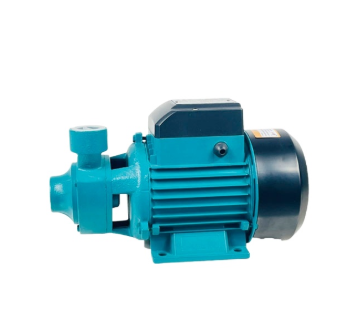
Complete Guide to Selecting a Hot Water Tank Circulation Pump
Installing a reliable hot-water recirculation system can make a distant shower or kitchen sink feel instantly responsive, eliminating those frustrating minutes of waiting for hot water to travel down the line. However, choosing a hot water tank circulation pump is never a one-size-fits-all upgrade. The ideal choice depends heavily on your existing piping layout, daily household routines, water heater type, and your approach to managing standby heat loss. From an expert pump-selection perspective, your home's piping layout and usage patterns should always take precedence over simple horsepower ratings. A small, well-matched circulator paired with an intelligent control strategy is nearly always superior to an oversized unit that runs continuously when nobody needs hot water.
Determining If Recirculation Solves Your Problem
Recirculation systems prove most beneficial when fixtures are located far from the primary water heater and the long wait forces residents to run thousands of gallons of clean water straight down the drain. These systems work by moving cooled water from the hot-water supply line back to the heater, ensuring hot water stays close to the fixture before use. While this drastically improves everyday convenience and minimizes water waste, it also introduces extra equipment, installation labor, and continuous energy consumption.
Before purchasing any hot water tank circulation pump, map out which fixtures experience the longest wait times, note when those fixtures are used most frequently, and check whether a dedicated return line already exists in your home. This initial survey gives your circulation pump a clear, defined purpose rather than a vague comfort goal. A home featuring a long dedicated return loop requires an entirely different technical approach compared to a retrofit installation that only has standard hot and cold lines at the remote fixture.
Choosing the Right System Layout
Dedicated Return Loop Systems
A dedicated return loop provides cooled water with a dedicated, factory-engineered path right back to the water heater. This layout represents the cleanest, most efficient arrangement for new construction or major home renovations because the entire circulation circuit is clearly defined. The circulation pump is typically mounted directly on the return line near the water heater, following strict manufacturer instructions and local plumbing codes. This clean arrangement allows designers to accurately calculate pipe friction losses and verify pump curves against the loop.
Crossover Valve Retrofit Systems
In homes where running a new return line is impractical, a retrofit arrangement uses a thermal crossover valve installed near the furthest fixture to create a temporary loop between the hot and cold water lines. This avoids tearing open finished walls, but it requires careful evaluation of user expectations and installation limits. Because the cold water line may feel briefly warm right after a circulation cycle, this approach is not ideal for every household or fixture layout.
Demand Controlled Recirculation
Demand-controlled setups run the hot water tank circulation pump only when an occupant pushes a button, triggers a motion sensor, or activates a programmed timer. This strategy makes immense sense for intermittent hot-water usage. Research and industry guidelines note that continuously operating loops consume unnecessary electrical power and aggravate standby heat loss from piping. Demand control addresses this efficiency trade-off directly rather than assuming faster delivery is always energy-efficient.
Gathering Essential Sizing Inputs
Never select a circulator based solely on connection size or a generic catalog description. Professional installers rely on four critical inputs to establish the correct operating point:
-
Loop Length and Pipe Material: Accurately measure the complete supply-and-return path, including all elbows and fittings. Long runs and restrictive fittings drastically increase overall friction.
-
Pipe Diameter and Insulation: Pipe diameter directly governs fluid velocity and friction, while proper insulation controls standby heat loss and determines how often the system must reheat the loop.
-
Required Recirculation Flow: The primary goal is refreshing cooled water within a reasonable time frame without generating excessive flow velocity or pipe noise.
-
Required Head Pressure: In closed loops, static lift cancels out, but the pump must still overcome friction across pipes, valves, fittings, and the heater.
Many selection mistakes stem from assuming higher motor power guarantees better performance. An oversized pump creates annoying water velocity noise, unnecessary electrical consumption, accelerated mechanical wear, and difficult system balancing. Conversely, an underpowered unit leaves distant branches slow to recover. Always request written design flow and head metrics before finalizing your purchase.
Matching Pump Construction to Domestic Water
A hot water tank circulation pump must be rated specifically for high water temperatures, operating pressures, and potable-water applications. Treat this equipment as a critical potable-water component rather than a generic utility pump. Verify that wetted materials, internal seals, and gaskets are fully certified for domestic hot water and comply with local water chemistry guidelines. If your local water supply is hard or mineral-rich, plan ahead for maintenance access and scale management.
Furthermore, double-check all electrical parameters before ordering, including supply voltage, frequency, wiring requirements, grounding, and control terminal compatibility. When replacing an older unit, photograph existing isolation valves, union spacing, pipe orientations, and equipment nameplates to ensure a smooth swap.
Selecting Controls to Fit Your Lifestyle
In most residential settings, smart controls make the difference between an efficient utility and an expensive, continuously running loop. Consider these popular control methods:
-
Timers: Excellent for predictable morning and evening peak demand, provided schedules are updated seasonally.
-
Temperature Aquastats: Automatically shut down the pump once the loop reaches target temperature, preventing wasteful operation.
-
Demand Push Buttons: Ideal for irregular schedules, trading a brief pre-use wait for maximum energy efficiency.
Building Lasting Value with Flyaway
A successful hot water tank circulation pump installation relies on verified piping layouts, accurately calculated head pressures, certified potable-water materials, and intelligent runtime controls. When your project demands uncompromising quality, durable engineering, and reliable supply chain support, Flyaway delivers high-performance fluid solutions designed for long-term reliability. Partnering with professional installers and utilizing engineered Flyaway equipment ensures absolute peace of mind and effortless daily comfort.






