 EN
EN
Pump Size Solutions for Water Flow
2026/09/13
Discover expert pump size solutions and water flow optimization strategies by Flyaway. Master centrifugal pump selection to improve industrial efficiency.

2026/09/13
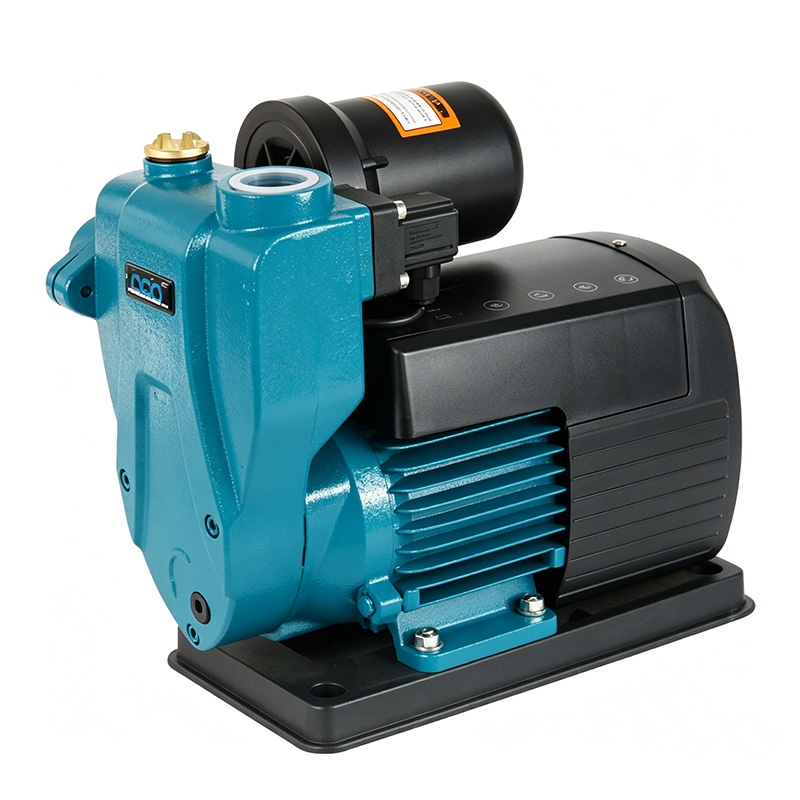
At Flyaway, our engineering team frequently assists clients who experience operational disruptions caused by air lockages and improper setup configurations. When deploying fluid transfer systems, understanding the mechanical behavior of self priming pumps is crucial for long-term reliability. Unlike standard centrifugal pumps that require manual priming of the entire suction line and casing, an engineered self priming pumps design utilizes an internal chamber or venturi system to automatically evacuate trapped air. Proper installation ensures that these units can establish a partial vacuum and re-prime themselves without manual intervention, preventing dry running and motor overheating. In modern fluid dynamics, avoiding operational downtime is a primary objective for engineers, contractors, and homeowners alike. The introduction of air into a conventional pump volute breaks the centrifugal action, causing the pump to become air-bound and incapable of moving liquid. However, advanced self priming pumps eliminate this vulnerability through sophisticated internal fluid circulation mechanisms. By retaining a specific volume of liquid within the casing during shutdown, these systems are perpetually prepared to initiate the priming cycle upon reactivation.
The primary operational advantage of self priming pumps stems from their specialized internal volute casing and fluid-air mixing capabilities. During initial startup, the rotating impeller mixes retained working fluid with incoming air drawn from the suction line. This mixture travels into a separation chamber where entrained air escapes through the discharge port, while heavier liquid recirculates to sustain the vacuum. At Flyaway, our agricultural and domestic series—ranging from 0.1 kW compact units to robust 0.75 kW models—are engineered with precision brass impellers and PPO diffusers. These components maintain tight internal tolerances, delivering maximum heads from 21 meters to 50 meters and flow rates from 1.5 m³/h to 3.0 m³/h while handling suction lifts up to 9 meters. Understanding these hydraulic principles helps operators optimize their everyday applications. When the rotating impeller forces the liquid-air mixture into the upper portion of the volute casing, the cross-sectional area expands, causing the velocity to drop and the air to separate naturally from the water. The air is expelled through the discharge piping, while the remaining water falls back down to rejoin the impeller eye via the recirculation port. This continuous cycle repeats until all the air from the suction line has been completely evacuated, establishing a steady liquid flow. The precision engineering of Flyaway's brass impellers ensures minimal slippage and maximum volumetric efficiency during this critical phase.
Executing a precise industrial pump installation requires meticulous attention to suction line integrity and pipe sizing. Even the most advanced self priming pumps setup can suffer from diminished performance if minor air leaks occur in the suction piping or foot valves. Installers must ensure that suction pipes match the inlet diameter (typically 1 inch for standard compact series), remain completely airtight, and avoid high points where air pockets can accumulate. Furthermore, securing a rigid, vibration-resistant mounting base using heavy-duty cast iron pump bodies ensures structural stability under continuous operation, protecting mechanical seals and extending equipment lifespan. During any professional industrial pump installation, proper alignment and support of external piping are non-negotiable requirements. Piping must never place undue mechanical stress on the pump casing, as shifting or misalignment can distort internal clearances and lead to premature wear of the mechanical seal faces. Additionally, incorporating a check valve or foot valve at the intake of the suction line helps retain the priming liquid inside the pump casing when the motor is turned off, ensuring instantaneous re-priming during subsequent startups. Every detail matters when implementing a resilient industrial pump installation framework.
Maintaining optimal thermal and environmental parameters is essential for sustaining efficiency during continuous duty cycles. Flyaway units are equipped with high-performance induction motors housed in lightweight aluminum alloy casings featuring IP44 protection and Class B insulation. Integrated thermal overload protectors automatically interrupt power if abnormal temperature thresholds are breached, protecting motor windings against burnout. Operating tolerances safely accommodate liquid temperatures up to 60°C and ambient temperatures up to 40°C, ensuring dependable performance across diverse residential, agricultural, and light industrial environments. Thermal management directly influences the lifespan of electrical and mechanical components. In applications involving intermittent fluid flow or extended suction lift durations, motors may experience elevated operating temperatures due to increased friction and work loads. The inclusion of Class B insulation and external cooling fins on Flyaway aluminum alloy motor housings facilitates rapid heat dissipation. Furthermore, the thermal overload sensor acts as a vital safeguard, shutting down the system before critical temperature limits can compromise the integrity of the copper windings, thereby eliminating catastrophic motor failures.
Achieving peak hydraulic performance and minimizing maintenance overhead ultimately depends on executing an accurate self-priming pumps setup from the very beginning. Proper alignment, secure pipeline sealing, and adherence to recommended operating parameters eliminate common pressure drops and priming failures. By combining rugged cast iron construction with advanced internal venturi systems, Flyaway equipment provides reliable solutions for shallow well extraction, garden irrigation, and domestic water boosting, ensuring uninterrupted fluid transfer for global operators and homeowners alike. To maintain this peak efficiency over years of service, routine inspection schedules should be established. Operators must periodically check the condition of the suction line for hairline cracks, inspect mechanical seals for signs of weeping, and verify that the internal recirculation ports remain free of mineral scale or particulate buildup. A well-executed self-priming pumps setup combined with proactive maintenance guarantees optimal flow rates, minimal energy consumption, and total peace of mind for all fluid transfer applications.
2026/09/13
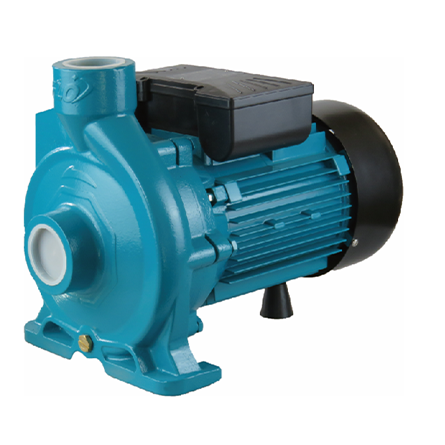
Discover expert pump size solutions and water flow optimization strategies by Flyaway. Master centrifugal pump selection to improve industrial efficiency.
2026/09/13
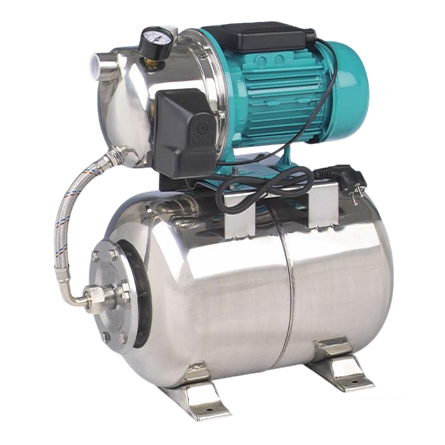
Master pump size selection for plumbing systems with Flyaway. Learn how correct plumbing pump sizing prevents pressure drops and ensures steady water flow.

2026/09/13
Discover key benefits of using a jet pump. Explore Flyaway insights on suction lift, energy efficiency, and industrial applications for reliable water systems.
2026/09/13
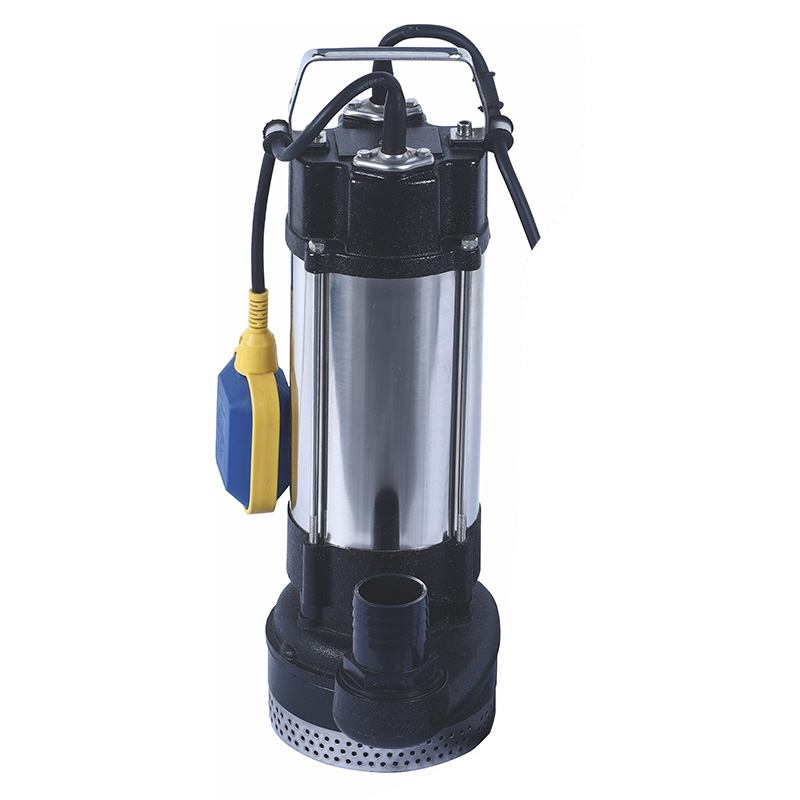
Discover why reliable heavy equipment is crucial for facility water treatment, ensuring stable fluid dynamics, smooth daily operations, and maximum efficiency.
2026/09/13
Discover the top benefits of using a solar pump for your irrigation and off-grid needs. Learn how Flyaway solutions lower costs and boost efficiency.
