 EN
EN
Importance of Self Priming Pumps Setup
2026/09/13
Learn the importance of self priming pumps setup and industrial pump installation. Discover Flyaway hydraulic principles, tips, and maintenance best practices.

2026/09/13
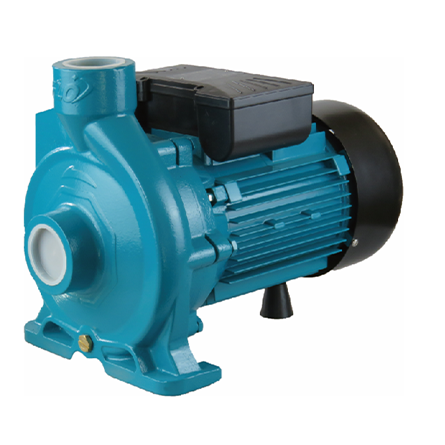
When managing complex industrial and municipal fluid distribution systems, achieving peak hydraulic efficiency begins with precise engineering calculations and meticulous planning. At Flyaway, our engineering team regularly encounters operational bottlenecks caused by mismatched equipment specifications in commercial fluid networks. Selecting the correct pump size is not merely a theoretical textbook exercise; determining the optimal pump size directly dictates energy consumption, system longevity, and overall hydraulic stability. In practical field applications, an oversized unit leads to excessive valve throttling, premature mechanical seal wear, and wasted electrical power, whereas an undersized pump fails to meet required head and capacity demands. By adhering to rigorous hydraulic standards established by the Hydraulic Institute (HI), engineers can systematically evaluate total dynamic head (TDH) and required flow rates to match equipment capabilities accurately. Furthermore, verifying the correct pump size ensures that your facility avoids unnecessary capital expenditure and operational friction. Our field experience demonstrates that taking a methodical approach to initial pump size selection and pump size evaluation prevents cavitation, minimizes vibrational fatigue, and significantly reduces lifecycle maintenance costs for facility managers across diverse industrial sectors while confirming every pump size specification.
To master water flow optimization, technicians must analyze how piping geometry, friction losses, and elevation changes interact within a closed or open circuit network. Advanced water flow optimization protocols require detailed scrutiny of pipeline networks that exhibit unique system curves representing the precise relationship between flow rate and resistance. When performing centrifugal pump selection, professionals must plot manufacturer pump performance curves—plotting head against capacity—directly against the system curve to locate the optimal Best Efficiency Point (BEP). Operating near the BEP ensures that radial thrust is minimized and mechanical stress on the impeller and bearings remains within safe design limits. For instance, in municipal water supply upgrades managed by Flyaway engineers, evaluating pipe roughness coefficients (such as the Hazen-Williams C-factor) alongside fluid viscosity ensures that predicted flow rates match actual operating conditions. Neglecting these hydraulic variables frequently results in turbulent flow zones, localized pressure drops, and accelerated erosion corrosion within the volute casing. Effective water flow optimization thus requires continuous attention to detail, integrating theoretical calculations with real-world empirical observations to maintain steady, reliable fluid transport throughout the entire piping infrastructure while executing continuous water flow optimization routines and water flow optimization checks.
The process of centrifugal pump selection requires a systematic evaluation of several critical parameters, including suction specific speed, Net Positive Suction Head Available (NPSHA), and Net Positive Suction Head Required (NPSHR). Successful centrifugal pump selection also depends on accurately aligning equipment specifications with your specific pump size requirements to avoid operational mismatch. Every centrifugal pump selection procedure must account for dynamic load shifts. A common oversight in industrial water transfer projects is failing to verify that NPSHA comfortably exceeds NPSHR with an adequate safety margin, typically at least 0.5 to 1.0 meters. If NPSHA drops below NPSHR, vapor bubbles form at the low-pressure zones of the impeller eye and violently collapse upon entering higher pressure regions, causing destructive cavitation. Flyaway technical guidelines emphasize verifying fluid temperature, vapor pressure, and atmospheric elevation before finalizing any equipment configuration. By matching the correct pump size and impeller trim diameter to the duty point, operators can prevent performance curve droop and ensure steady, reliable liquid delivery across varying operational loads and seasonal demand fluctuations. Through careful centrifugal pump selection and precise pump size calculation, plant operators can safeguard critical infrastructure, reduce unplanned downtime, and extend the operational lifespan of auxiliary valves, motors, and pipeline networks.
Achieving sustained water flow optimization involves more than initial installation; it requires continuous monitoring of operational variables such as motor current, discharge pressure, and vibration signatures. Dedicated water flow optimization practices help plant operators identify inefficiencies before they result in catastrophic equipment failure. Variable Frequency Drives (VFDs) have revolutionized system control by allowing operators to adjust motor speed dynamically to match real-time demand rather than relying on throttling valves that waste energy. However, running a centrifugal pump at reduced speeds requires careful verification to ensure the unit does not operate below its minimum continuous stable flow rating, which can cause internal recirculation and overheating. In practical engineering case studies conducted by Flyaway, integrating smart monitoring sensors with properly sized pumping units yielded measurable energy savings of up to twenty-five percent in municipal water distribution loops. Furthermore, routine alignment checks and bearing lubrication schedules safeguard mechanical integrity, ensuring long-term reliability and compliance with international energy efficiency regulations. Implementing these proactive water flow optimization techniques guarantees that industrial plants maintain peak performance while minimizing environmental impact and utility expenses through advanced water flow optimization methods.
Ultimately, successful fluid system design relies on a balanced synthesis of empirical data, manufacturer specifications, and field-tested engineering expertise. Whether configuring booster systems for high-rise buildings or raw water intake stations for industrial facilities, Flyaway remains dedicated to providing transparent, highly practical engineering solutions. By prioritizing accurate calculations for every pump size, respecting system curve intersections, and maintaining rigorous adherence to centrifugal pump selection protocols, operators can eliminate costly downtime and achieve lasting operational excellence. Careful attention to each pump size ensures harmony across the entire hydraulic network. We invite facility managers, plant engineers, and system integrators to consult our technical documentation and expert engineering support team for customized guidance tailored to your specific fluid handling requirements, ensuring optimal performance and sustainable resource management for years to come. Through professional dedication and rigorous adherence to industry standards, Flyaway continues to support global industries in achieving reliable, efficient, and sustainable water management solutions across all operational scales via expert centrifugal pump selection.
2026/09/13
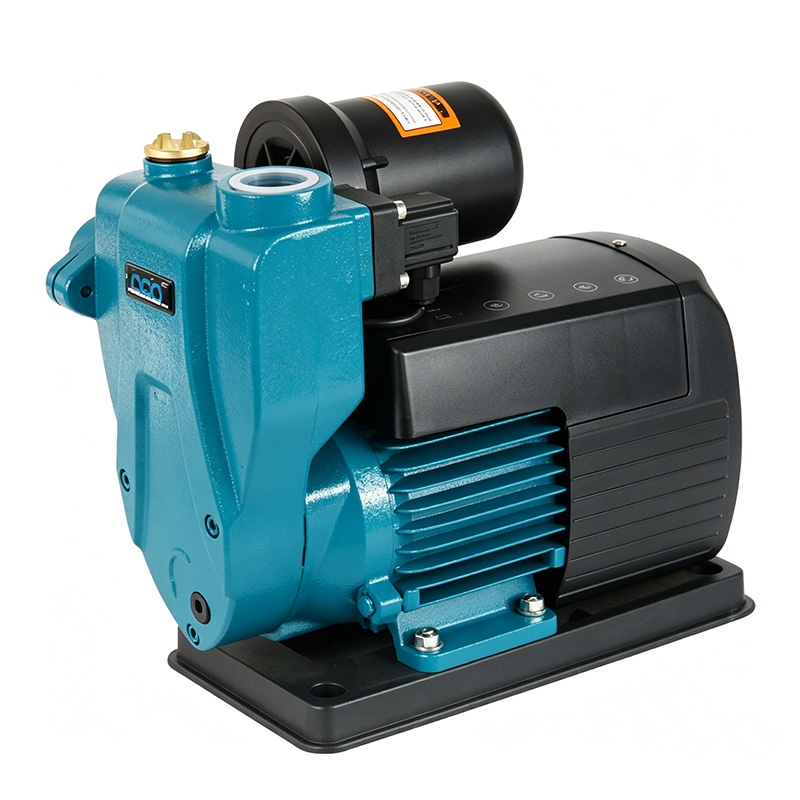
Learn the importance of self priming pumps setup and industrial pump installation. Discover Flyaway hydraulic principles, tips, and maintenance best practices.
2026/09/13
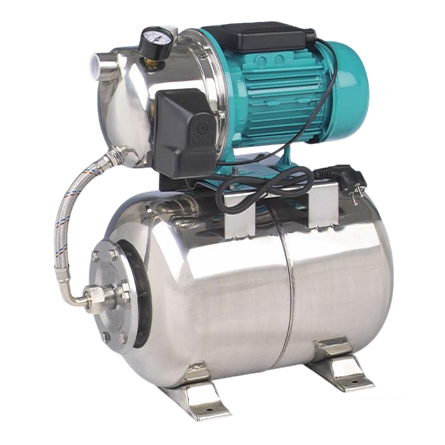
Master pump size selection for plumbing systems with Flyaway. Learn how correct plumbing pump sizing prevents pressure drops and ensures steady water flow.

2026/09/13
Discover key benefits of using a jet pump. Explore Flyaway insights on suction lift, energy efficiency, and industrial applications for reliable water systems.
2026/09/13
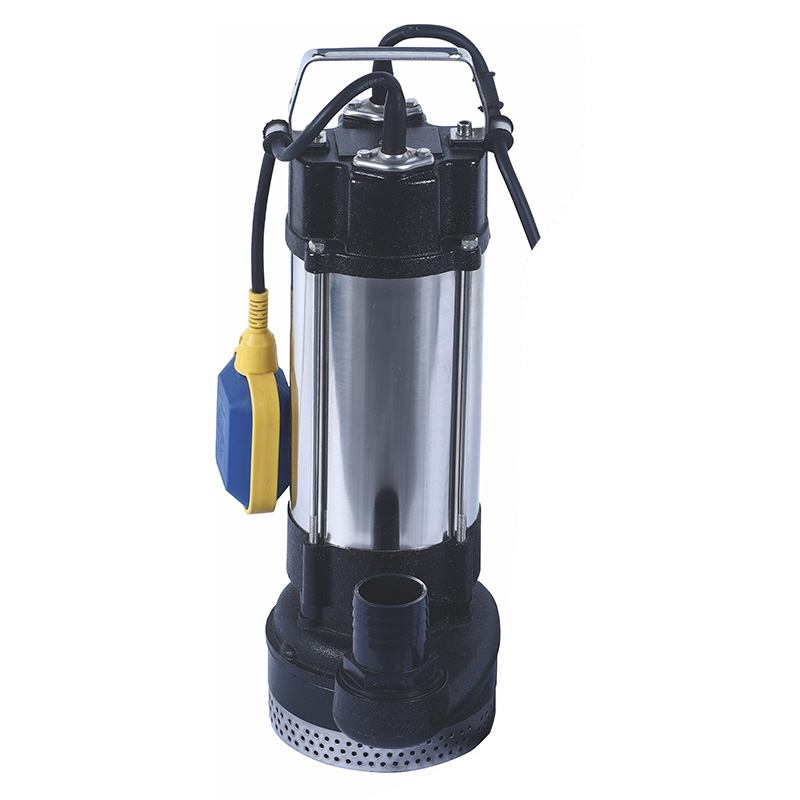
Discover why reliable heavy equipment is crucial for facility water treatment, ensuring stable fluid dynamics, smooth daily operations, and maximum efficiency.
2026/09/13
Discover the top benefits of using a solar pump for your irrigation and off-grid needs. Learn how Flyaway solutions lower costs and boost efficiency.
