 EN
EN
Benefits of Using a Water Pump for Low Water Pressure Enhancement
2026/09/12
Discover key benefits of using a water pump for low water pressure. Improve residential flow rates, protect your pipeline, and enjoy a reliable supply.

2026/09/12
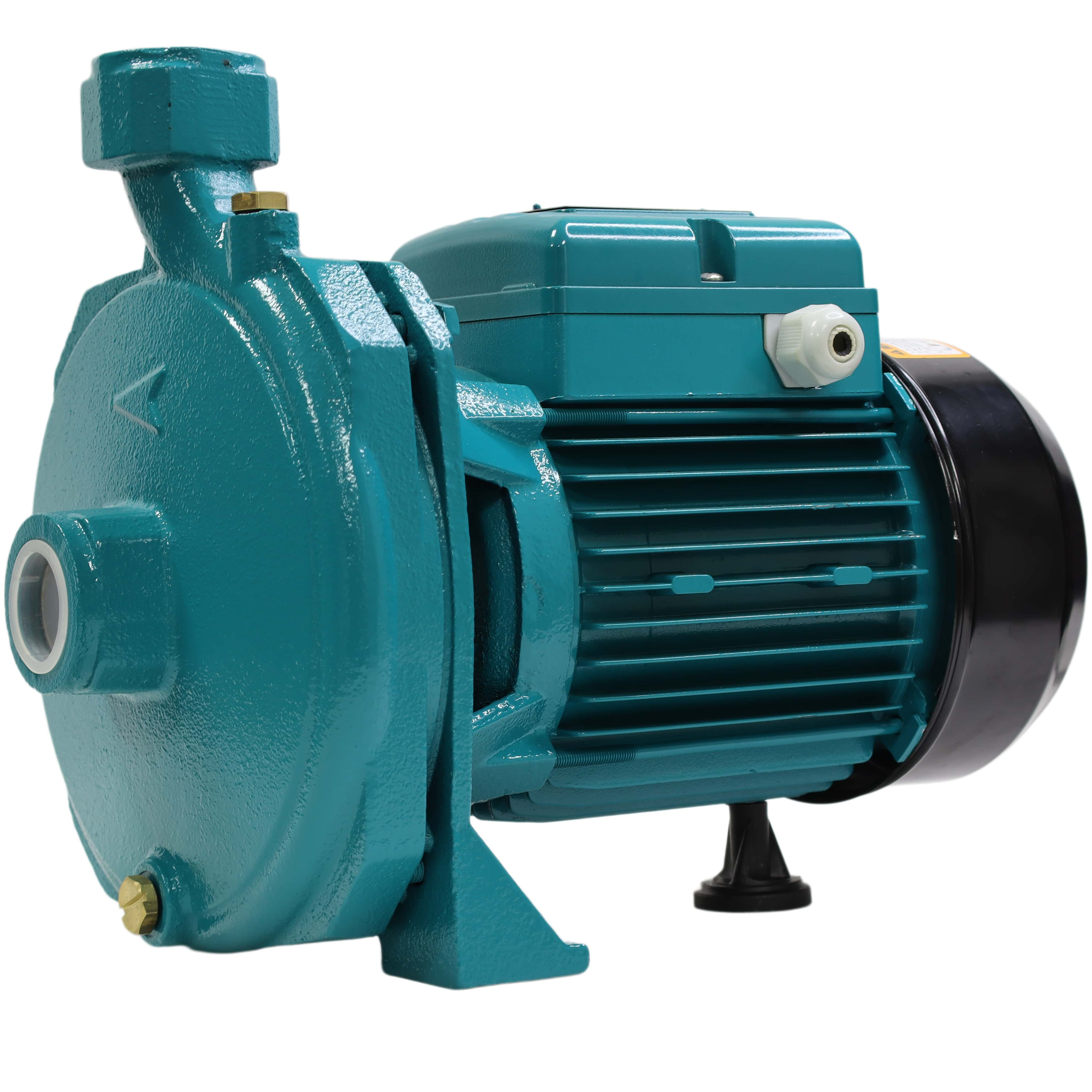
When residential property owners evaluate plumbing infrastructure and household upgrades, understanding the mechanical engineering principles behind a domestic water pump is essential for achieving reliable daily water pressure. At Flyaway, field experience indicates that modern households demand consistent flow rates, whisper-quiet operation, and energy efficiency to support multi-fixture bathrooms, kitchens, and garden systems simultaneously. A standard domestic water pump functions by transforming mechanical motor rotation into hydraulic pressure, drawing potable water from municipal lines, underground cisterns, or storage tanks and distributing it seamlessly across household pipe networks. Choosing the right domestic water pump ensures that every faucet and showerhead delivers adequate water volume without sudden pressure drops during peak usage hours. Unlike heavy industrial machinery designed for continuous high-head slurry transport, every domestic water pump prioritizes compact footprints, automated pressure regulation, and user-friendly operation. When selecting a domestic water pump, plumbing technicians recommend analyzing specific household parameters, including total dynamic head, peak flow capacity, and suction lift capabilities. Proper sizing of a domestic water pump prevents premature motor burnout, reduces energy waste, and guarantees stable hydraulic performance under varying daily load conditions.
Evaluating the hydraulic efficiency and mechanical capabilities of any domestic water pump requires a detailed examination of flow rate and total head performance curves. In practical residential applications, each domestic water pump determines how many gallons or liters per minute are delivered to multiple outlets concurrently, while system head accounts for vertical elevation and pipe friction losses. Technical assessments at Flyaway demonstrate that a well-engineered domestic water pump must operate close to its Best Efficiency Point to minimize fluid cavitation, mechanical vibration, and thermal stress on rotating components. Modern residential systems equipped with an advanced domestic water pump frequently utilize multi-stage centrifugal impellers or peripheral turbine designs to balance high-pressure generation with smooth fluid dynamics. Furthermore, property owners should review manufacturer performance charts for their domestic water pump to ensure precise compatibility with home elevation changes and complex piping layouts. Operating a domestic water pump outside recommended hydraulic thresholds severely degrades system efficiency, accelerates mechanical wear, and increases long-term service overhead.
The electrical architecture and motor efficiency of a domestic water pump directly dictate long-term energy consumption and operational safety in residential environments. Every modern domestic water pump typically relies on single-phase electric motors ranging from 0.5 horsepower to 2.0 horsepower, protected by integrated thermal overload mechanisms to prevent winding damage during dry-running or jammed-impeller events. Engineering reviews by Flyaway confirm that high-grade copper windings and precision-balanced rotors within a quality domestic water pump significantly lower electrical resistance, operating temperatures, and acoustic noise during peak usage hours. In addition to motor ratings, ingress protection ratings for a domestic water pump are crucial when units operate in damp basements or outdoor utility sheds, preventing moisture and dust intrusion. Homeowners utilizing a domestic water pump must also verify that electrical connections comply with regional safety codes, incorporating dedicated circuit breakers and proper grounding. Energy-efficient motors inside a domestic water pump reduce monthly utility bills and support sustainable residential infrastructure.
Material selection plays a critical role in establishing the service life, structural durability, and water purity standards of any domestic water pump. Because each domestic water pump handles potable drinking water or utility water daily, internal fluid-contacting surfaces must withstand oxidation, mineral scaling, and chemical degradation. Field observations from Flyaway indicate that a premium domestic water pump utilizes robust materials such as heavy-duty brass, cast iron, or food-grade stainless steel for pump casings, shafts, and impellers. Stainless steel components inside a domestic water pump prevent rust accumulation, ensuring that household tap water remains crystal clear and free from metallic tastes or discoloration. Moreover, mechanical seals within a domestic water pump constructed from silicon carbide or carbon-ceramic composites offer exceptional resistance to abrasive particles often found in well water. Proper sealing in a domestic water pump prevents fluid leakage into the motor housing, avoiding electrical short circuits and ensuring dependable, long-lasting water service.
Contemporary residential water management increasingly integrates automation and smart control technologies into the domestic water pump architecture. Traditional pressure tanks and mechanical switches paired with a domestic water pump are frequently supplemented by electronic flow sensors and variable frequency drives that adjust motor speeds dynamically based on real-time consumption. This intelligent modulation in an advanced domestic water pump eliminates pressure surges, prevents water hammer, and maintains constant pressure across all household fixtures. Maintenance guidelines from Flyaway recommend scheduling routine inspections for every domestic water pump, focusing on check valves, intake strainers, and pressure gauges to prevent debris blockages. Users operating a domestic water pump should also monitor for unusual acoustic vibrations or electrical current spikes as early indicators of mechanical wear. By combining intelligent automation with proactive upkeep for your domestic water pump, homeowners ensure maximum operational reliability and extended equipment lifespan.
2026/09/12
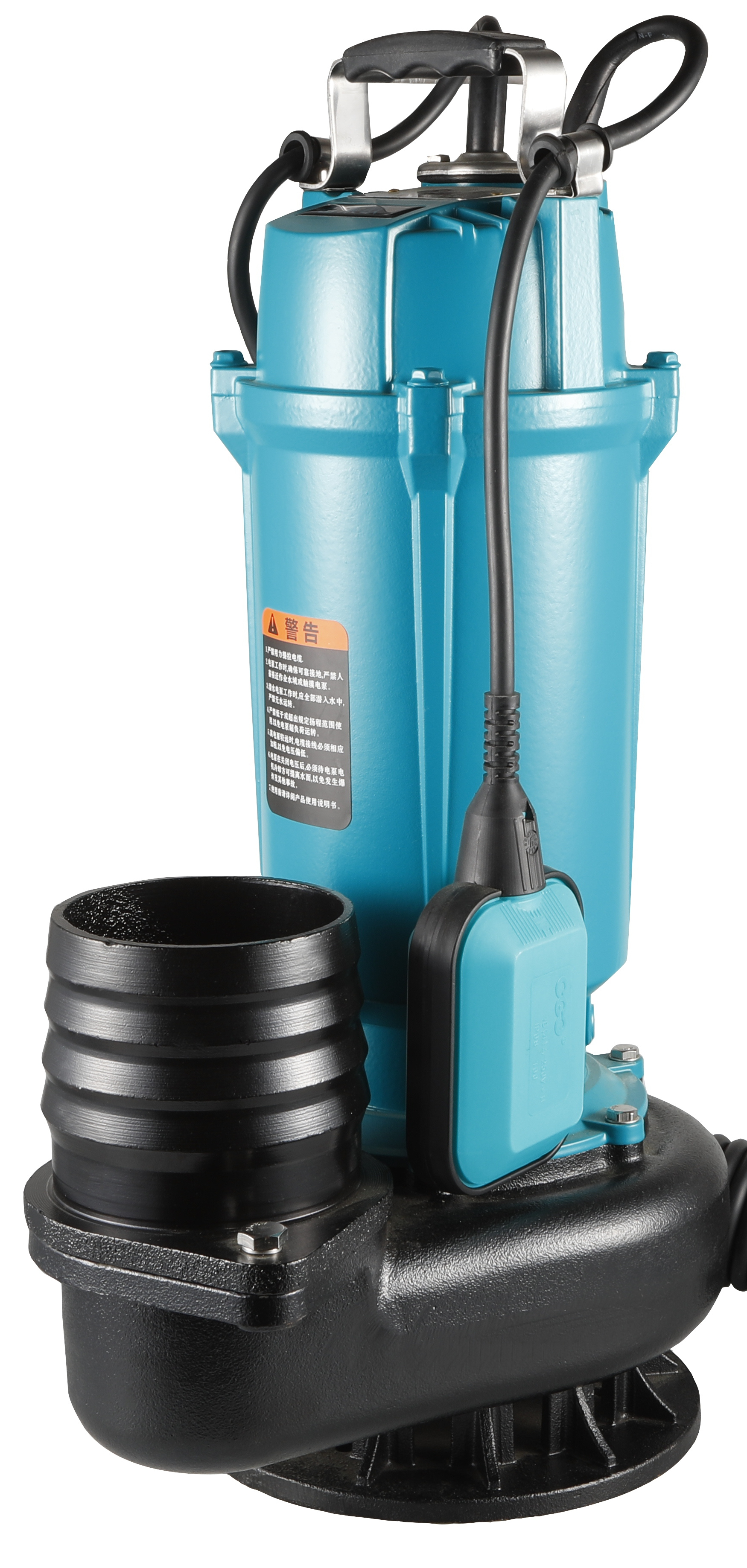
Discover key benefits of using a water pump for low water pressure. Improve residential flow rates, protect your pipeline, and enjoy a reliable supply.
2026/09/12
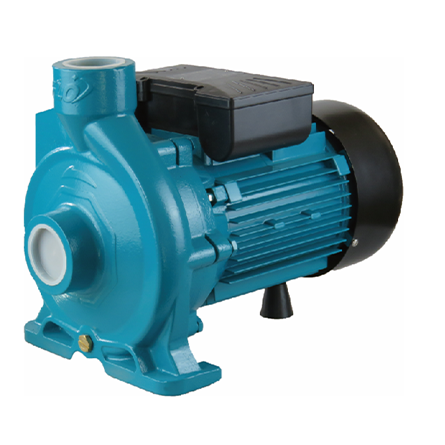
Discover what a constant pressure water pump is, its key energy-saving benefits, and applications for residential and commercial systems by Flyaway.

2026/09/12
Discover the importance of a domestic water pump for steady residential water pressure. Learn how Flyaway solutions improve home fluid delivery efficiently.
2026/09/12
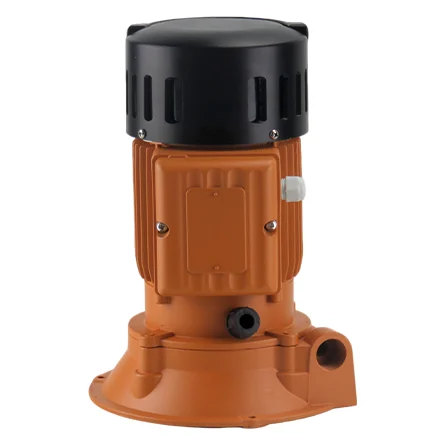
Discover how Flyaway irrigation pump solutions maximize crop yields and efficiency. Learn key technical parameters and sustainable water management tips today.
2026/09/12
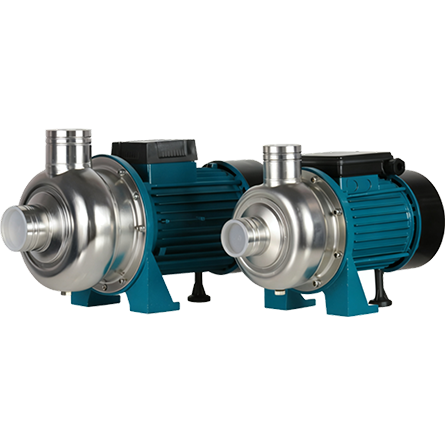
Discover the key features of a centrifugal pump stainless design. Learn about corrosion resistance, hydraulic efficiency, and reliability with Flyaway.
