 EN
EN
Guide To Installing a Drainage Pump in Residential Basements
2026/09/15
Master residential basement drainage pump installation with Flyaway. Follow our expert guide on sizing, pit excavation, plumbing, and safety for dry, secure spaces.

2026/09/15
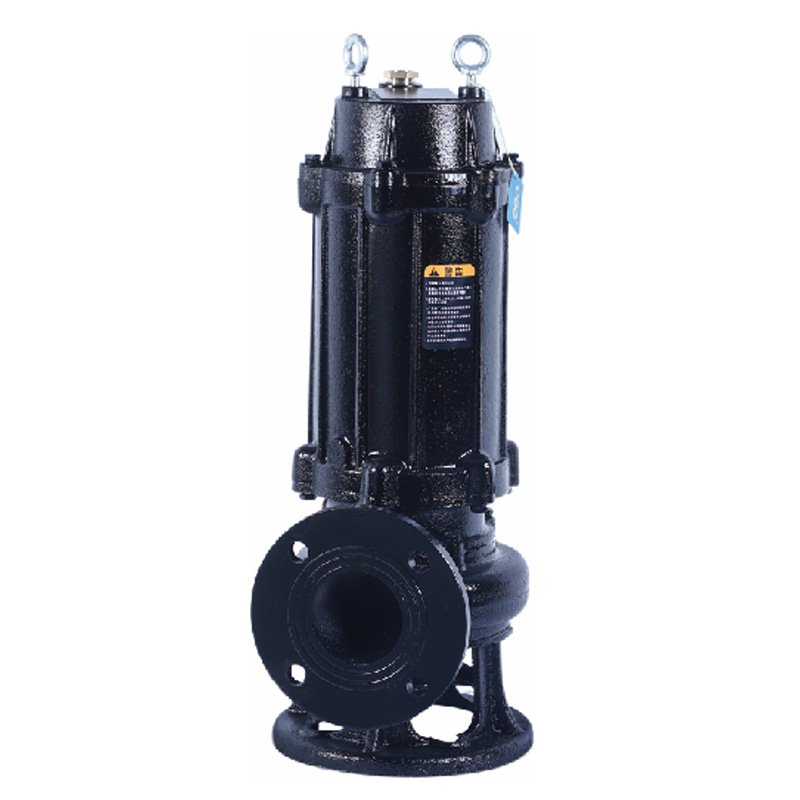
In modern industrial, municipal, and commercial fluid management operations, efficiently handling unwanted water and wastewater is crucial. Whether dealing with torrential rainfall runoff, deep excavation seepage, or municipal sewer surges, deploying a reliable drainage pump serves as the backbone of hydraulic infrastructure. Selecting the right equipment ensures continuous operational uptime, prevents costly facility downtime, and protects capital assets from severe water damage. Among various categories of fluid handling hardware, heavy-duty industrial drainage pumps play an irreplaceable role in demanding environments. Mastering the core technical principles and executing a systematic drainage pump selection process are indispensable skills for facility engineers, project managers, and procurement teams aiming for long-term operational success.
Before initiating a formal drainage pump selection workflow, understanding the distinct classifications available in the market is vital. A drainage pump typically falls into several functional categories based on its hydraulic design and deployment environment. First, submersible drainage pumps are engineered to operate completely submerged underwater, utilizing close-sealed housings that prevent liquid intrusion into the electric motor. Because they push water rather than drawing it upward via vacuum suction, each submersible drainage pump minimizes cavitation risks and operates with exceptional hydraulic efficiency in deep sumps and wastewater pits. Second, surface-mounted centrifugal units sit above the fluid source, offering easier mechanical maintenance because seals and bearings remain fully accessible. Third, specialized horizontal and vertical centrifugal units act as primary industrial drainage pumps, utilizing precision-engineered impellers to convert rotational kinetic energy into discharge pressure. Every industrial drainage pump of this caliber is favored in continuous-duty manufacturing plants where high flow velocities and reliable head generation are non-negotiable requirements.
Choosing fluid handling hardware is far from a trivial task; inaccurate drainage pump selection frequently leads to severe operational inefficiencies, inflated energy consumption, and premature mechanical wear. When an undersized drainage pump is deployed, it struggles to manage peak inflow volumes, resulting in system backups or catastrophic flooding. Conversely, an oversized industrial drainage pumps configuration consumes excessive electrical power, creates severe hydraulic turbulence, and causes rapid wear on internal components like mechanical seals and thrust bearings. Therefore, a meticulous drainage pump selection procedure must harmonize system curves, environmental constraints, and lifecycle energy expenditures. By prioritizing accurate calculations during drainage pump selection, facility managers successfully minimize long-term maintenance overhead and prevent unexpected production halts.
When embarking on a professional drainage pump selection project, engineers must systematically evaluate several core performance parameters rather than relying on estimates:
Flow Rate and Capacity: Measured in gallons per minute or cubic meters per hour, the required flow rate dictates how much volume the drainage pump must evacuate within a specific operating window.
Total Dynamic Head (TDH): Total head encompasses static vertical elevation, pipeline friction losses across various diameters, and required discharge pressure, ensuring the drainage pump overcomes all hydraulic resistance.
Fluid Characteristics and Chemistry: Clean water requires standard metallic configurations, whereas abrasive slurries, high-solid municipal sewage, or chemically aggressive liquids demand specialized industrial drainage pumps built from corrosion-resistant alloys and fitted with non-clogging impellers.
Electrical Safety and Power Specifications: Voltage tolerances, insulation classes, and built-in thermal overload protection mechanisms are vital checkpoints during drainage pump selection to safeguard electrical motors against power surges and dry-running thermal damage.
Heavy-duty industrial drainage pumps are deployed across diverse, demanding industrial sectors due to their robust structural build and high volumetric capacity. In deep-mining operations, these rugged industrial drainage pumps continuously clear groundwater and mineral-laden abrasive slurries from underground shafts. In large-scale civil construction, a reliable drainage pump keeps subterranean trenches and foundations dry, allowing structural work to proceed safely. Municipal wastewater treatment facilities rely heavily on industrial drainage pumps to transport raw sewage through extensive municipal pipe networks without clogging. Furthermore, agricultural operations utilize a specialized drainage pump system for large-scale land drainage, effectively preventing soil waterlogging and safeguarding crop yields. Each industrial drainage pump fulfills a vital role in maintaining public safety and environmental compliance.
To maximize the operational lifespan of any drainage pump, establishing a proactive maintenance routine is indispensable. Industrial drainage pumps operate under severe mechanical stress, making them susceptible to seal degradation, impeller wear, and debris clogging. Facility operators should implement structured maintenance schedules that include checking winding insulation resistance, monitoring vibration signatures, clearing suction strainers, and lubricating shaft bearings. At Flyaway, our engineering team emphasizes that proper initial installation combined with routine inspections of every drainage pump prevents unexpected failures and ensures optimal, cost-effective water management for decades to come, proving that careful drainage pump selection is the ultimate foundation of industrial reliability.
2026/09/15
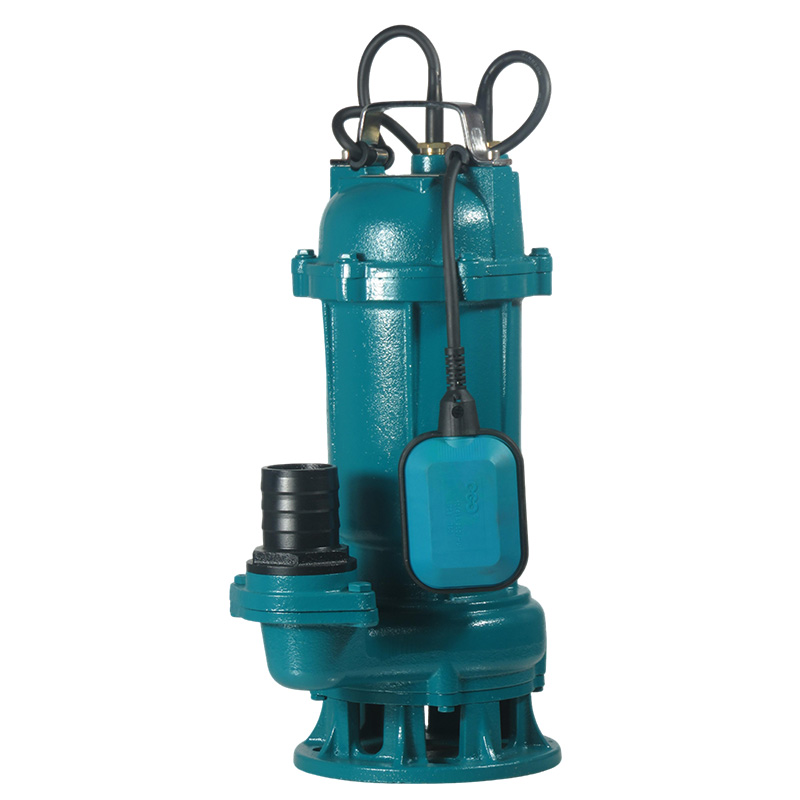
Master residential basement drainage pump installation with Flyaway. Follow our expert guide on sizing, pit excavation, plumbing, and safety for dry, secure spaces.
2026/09/15
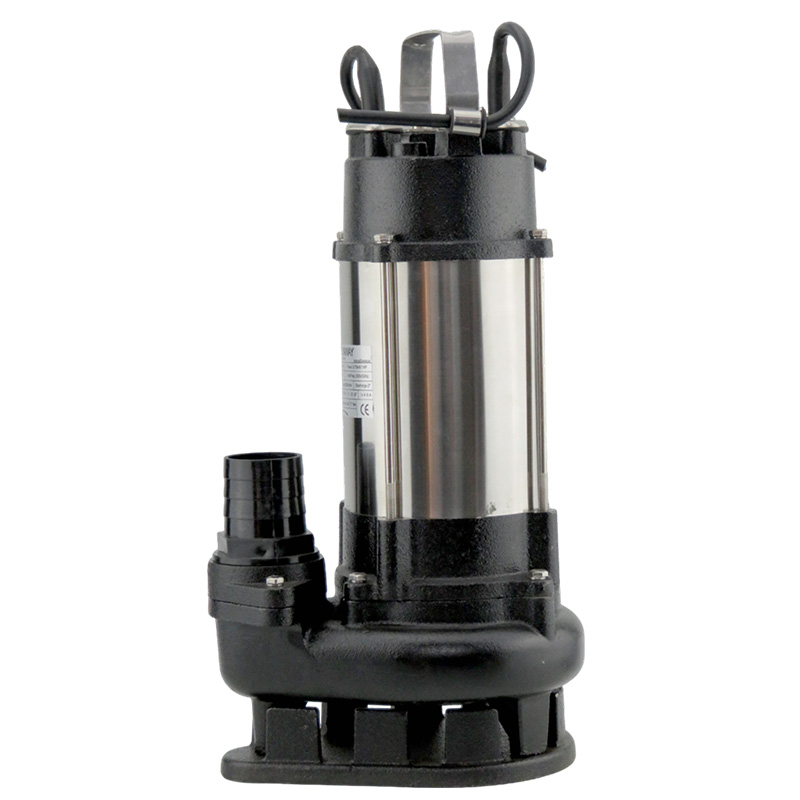
Discover how a reliable sewage water pump and advanced wastewater pumping solutions enhance drainage network efficiency for municipal and industrial systems.
2026/09/15
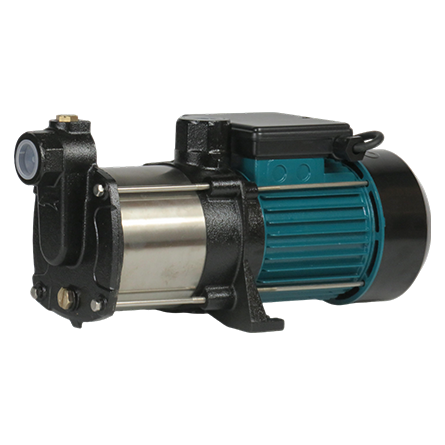
Discover expert tips on centrifugal pump selection, sizing, and material benefits to find the ideal industrial stainless steel fluid transfer solution.
2026/09/15
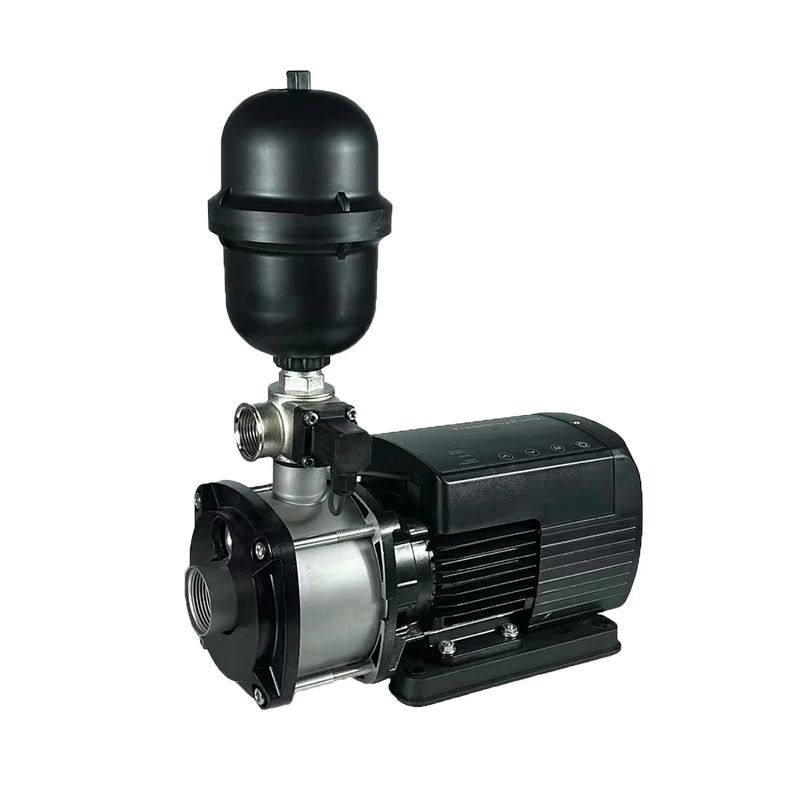
Discover how to choose the right commercial solar pump for your needs. Learn key metrics, MPPT controller roles, and durability tips for your off-grid project.
2026/09/15
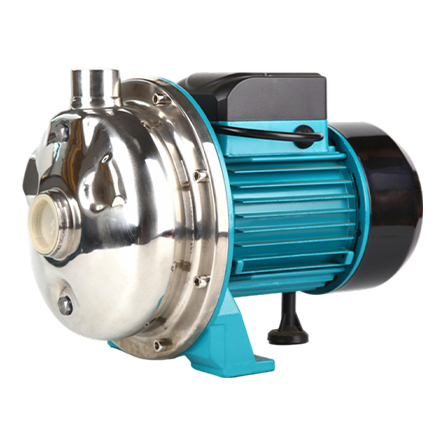
Discover expert tips on OEM water pump sourcing from Flyaway. Learn how global OEM suppliers ensure quality, materials, and timely delivery.
