 EN
EN
Domestic Water Pump Solutions for Homes
2026/09/08
Discover efficient domestic water pump solutions by Flyaway. Improve residential water pressure, ensure steady flow, and optimize home utility today.

2026/09/08
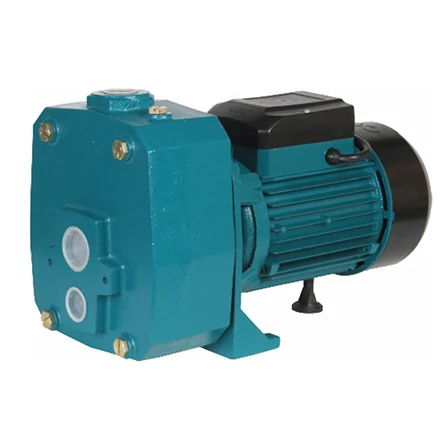
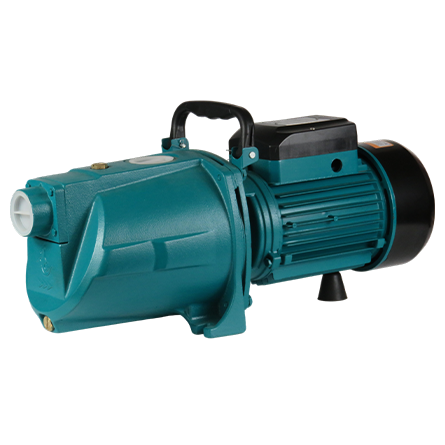
When residential homeowners, agricultural workers, and industrial operators look for reliable water movement solutions, a jet pump frequently emerges as a top choice for efficient fluid transfer. At Flyaway, we often receive inquiries regarding what this equipment actually is and how it functions in daily operations. Essentially, this system is a specialized centrifugal pump that incorporates an ejector—commonly referred to as a jet assembly—combined with a standard impeller mechanism. This unique mechanical design allows the jet pump to pull water from sources that standard centrifugal pumps struggle to reach, making it exceptionally versatile for a wide range of applications. Whether you are managing residential water supply or light agricultural irrigation, understanding the fundamental capabilities of a jet pump ensures that you select the right equipment for your specific fluid dynamics needs. The combination of suction and discharge components inside a well-engineered unit creates a partial vacuum, which draws water upward before propelling it forward under pressure. This dual-action process distinguishes modern pumping equipment from conventional systems, providing stable flow rates and dependable performance even in challenging installation environments where priming can sometimes present significant operational hurdles.
One of the most common applications for a jet pump in modern residential settings is supplying consistent household water and maintaining optimal system pressure. Many homes located in rural or suburban areas rely on private wells, and a reliable pumping unit acts as the primary heartbeat of the domestic water system. When you turn on a kitchen faucet, take a shower, or run a washing machine, the jet pump activates automatically to draw water from the underground source and deliver it through your home plumbing network with steady force. At Flyaway, we design our residential fluid solutions to ensure that every device delivers uniform pressure across multiple fixtures simultaneously, preventing the frustrating pressure drops common with older or poorly sized equipment. Furthermore, multi-story homes or properties with sprawling layouts often experience low water pressure issues; installing a booster-configured jet pump effectively resolves this challenge by amplifying incoming municipal or well water pressure. Homeowners appreciate that a well-maintained system operates quietly, efficiently, and reliably day after day, ensuring uninterrupted access to clean water for cooking, cleaning, and general household sanitation requirements without demanding constant manual oversight or complex maintenance routines.
Beyond residential buildings, agricultural sectors heavily depend on a rugged jet pump to support crop cultivation, livestock hydration, and general farm maintenance tasks. Farmers and growers face daily challenges regarding water availability, and deploying durable equipment provides a dependable method for drawing water from nearby ponds, shallow wells, or storage tanks to feed sprawling irrigation lines. Because agricultural environments demand equipment built to withstand continuous daily use, a high-quality jet pump must offer robust construction materials and corrosion-resistant components capable of handling varied environmental conditions. Flyaway engineers practical fluid handling options where each commercial-grade unit is optimized to maintain steady discharge pressure over extended periods, ensuring that sprinkler systems and drip irrigation networks receive uniform water distribution across every acre of farmland. Additionally, livestock operations require constant, reliable water delivery to troughs and automatic drinkers, making a continuous-duty system an indispensable asset for modern ranching and farming enterprises. By utilizing a properly sized jet pump, agricultural operators can significantly reduce labor-intensive manual watering chores while optimizing crop yields through precise, dependable irrigation management schedules.
Another critical utility of a jet pump involves extracting groundwater from shallow or deep wells, depending on the specific hydraulic configuration chosen for the installation site. A standard shallow-well unit is typically installed above ground and can effectively pull water from depths of up to 25 feet by creating the necessary suction vacuum through its internal venturi tube. For applications requiring water extraction from greater depths—sometimes reaching down to 100 feet or more—a specialized deep-well jet pump utilizes a two-pipe system featuring a remote jet assembly submerged directly inside the well casing. This dual-pipe arrangement allows the deep-well equipment to circulate water down to the ejector and force it back up alongside the main suction stream, overcoming the physical limitations imposed by atmospheric pressure alone. Technicians at Flyaway emphasize the importance of accurately measuring your water table depth before selecting either a shallow or deep-well jet pump configuration, as incorrect depth matching can severely compromise operating efficiency, reduce flow rates, and lead to premature mechanical wear. Properly matched to its geological environment, a robust system provides seamless, long-term groundwater extraction for remote cabins, rural homesteads, and light commercial facilities alike.
While residential and agricultural uses are widespread, a specialized jet pump also finds valuable applications in light industrial settings, commercial cleaning operations, and fluid transfer tasks. Facilities that require temporary dewatering, equipment washdown capabilities, or transfer of non-corrosive liquids frequently utilize a portable or stationary pumping unit due to its self-priming convenience and straightforward mechanical operation. However, ensuring the longevity and optimal performance of any fluid transfer device requires adherence to routine maintenance practices, such as checking for air leaks in the suction line, monitoring motor temperature, and protecting the unit from freezing temperatures during winter months. Flyaway recommends regular inspections of the nozzle, venturi, and impeller inside your jet pump to prevent mineral buildup and cavitation damage, which can gradually erode performance efficiency over time. By investing time in proper installation, correct sizing, and scheduled upkeep, operators can maximize the service life of their equipment and enjoy reliable fluid transfer across diverse working environments, confirming that this versatile pump remains an enduring cornerstone of modern hydraulic engineering.
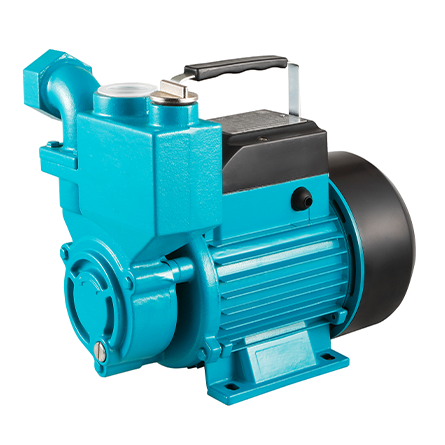
2026/09/08
Discover efficient domestic water pump solutions by Flyaway. Improve residential water pressure, ensure steady flow, and optimize home utility today.
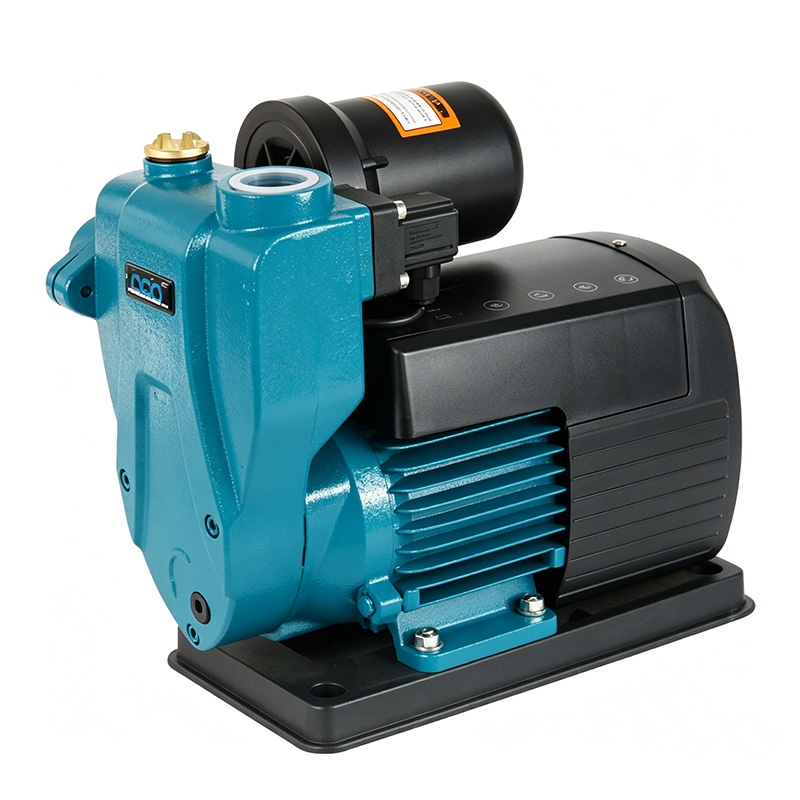
2026/09/08
Discover key benefits of using self priming pumps for industrial fluid transfer. Learn how Flyaway solutions improve efficiency and reduce maintenance costs.
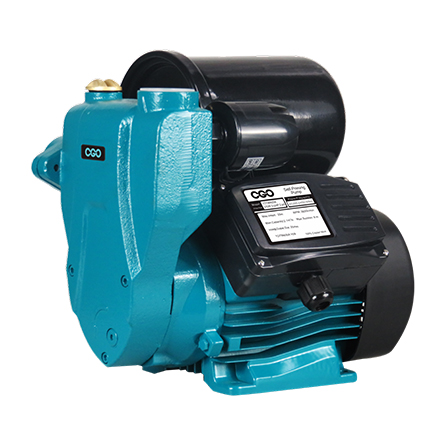
2026/09/08
Discover how to choose the right constant pressure water pump with VFD. Learn key hydraulic parameters, energy-saving benefits, and expert tips by Flyaway.
2026/09/08
Discover why high-performance agri pumps are essential for modern crop irrigation systems. Learn expert selection tips and boost farm efficiency
2026/09/08
Discover expert tips on choosing the right clean water pump for your facility. Learn about flow rates, motor specs, and maintenance with Flyaway.
