 EN
EN
Guide To Installing a Drainage Pump in Residential Basements
2026/09/15
Master residential basement drainage pump installation with Flyaway. Follow our expert guide on sizing, pit excavation, plumbing, and safety for dry, secure spaces.

2026/09/15
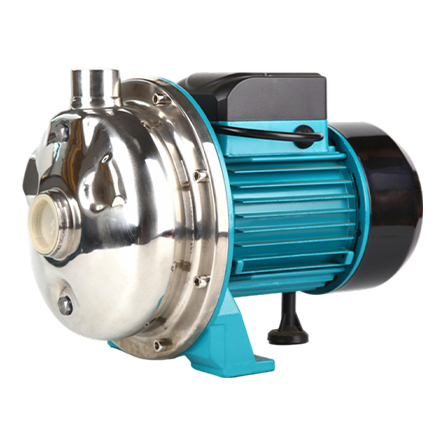
When embarking on OEM water pump sourcing, professional procurement specialists and global enterprise buyers frequently encounter a multi-faceted and complex international manufacturing ecosystem. Based on over 17 years of deep, hands-on manufacturing experience at Flyaway, successfully navigating this intricate market requires looking far beyond flashy marketing brochures and glossy exhibition displays to focus squarely on fundamental engineering principles. Global OEM suppliers vary extensively in their baseline material grades, factory production quality control standards, structural design methodologies, and end-to-end customization capabilities. Whether your organization is actively procuring high-efficiency centrifugal booster models, heavy-duty industrial units, or specialized agricultural apparatus, understanding your exact hydraulic head, dynamic flow rate, and electrical voltage requirements from day one completely prevents costly production delays. Furthermore, establishing a transparent technical baseline during the initial inquiry phase ensures reliable, long-term operational satisfaction for your end customers. In the realm of international trade, sourcing an OEM water pump demands rigorous attention to detail, clear communication protocols, and a comprehensive understanding of factory certifications, production line capacities, and international shipping logistics. By partnering with established industry veterans who understand the nuances of fluid dynamics and motor winding integrity, buyers can systematically mitigate common risks associated with overseas manufacturing, raw material price fluctuations, and inconsistent quality control standards across different international markets.
A primary, uncompromised pillar of trustworthy OEM water pump procurement is strict, verifiable alignment with certified international material standards and highly precise performance parameters. Professional and reputable manufacturers typically utilize robust, corrosion-resistant build materials such as premium cast iron, high-purity copper, austenitic stainless steel, and lightweight precision-engineered aluminum to achieve an optimal balance between long-term mechanical durability and overall cost-efficiency. For instance, standard residential water supply or light agricultural drainage models—such as a 0.25kW (0.37HP) clean water submersible pump or a compact, high-pressure peripheral booster—frequently feature ultra-low operational noise, superior hydraulic efficiency, and compact physical weights specifically engineered for clean water applications devoid of abrasive particulate matter. When thoroughly vetting potential global OEM suppliers, procurement teams must always request detailed, certified factory testing reports covering essential technical metrics such as motor insulation classes, internal winding copper quality, stator thermal stability, and mechanical seal integrity to guarantee absolute operational safety over years of continuous deployment. Additionally, examining the precise impeller design, shaft material grade (such as AISI 304 or 420 stainless steel), and bearing lubrication type provides critical insight into the expected lifespan and maintenance intervals of the OEM water pump units under rigorous operating conditions, ensuring that your product catalog meets or exceeds the rigorous performance expectations of modern residential and commercial consumers.
Establishing a completely transparent, resilient, and reliable supply chain hinges fundamentally upon implementing rigorous, multi-tiered quality assurance protocols long before mass production runs commence on the factory floor. Industry best practices dictate that professional buyers should exclusively partner with manufacturing facilities that implement 100% inline quality control inspections throughout every stage of the manufacturing process—from initial raw material casting and CNC machining of motor housings to automatic winding, rotor balancing, final hydraulic performance testing, and secure packaging before goods are loaded into shipping containers. When evaluating global OEM suppliers, purchasing managers must actively check whether candidate factories provide complete, prompt sample validation workflows—typically finishing fully functional operational prototypes within a standardized 7-day engineering window to allow adequate time for physical testing and design adjustments. Furthermore, inspecting standard factory warranty terms—such as a dependable 1-year comprehensive product warranty covering manufacturing defects—alongside transparent financial payment structures like a standard 30% T/T deposit with the remaining 70% balance paid strictly against copies of shipping documents, grants procurement teams essential legal protection, financial predictability, and peace of mind. Regular third-party factory audits, social compliance checks, and unannounced production line inspections further reinforce the reliability of your chosen OEM water pump production partner, ensuring consistent batch-to-batch quality and minimizing the likelihood of costly warranty claims or customer returns in your target regional markets.
Successful international global sourcing extends far beyond factory production floors into flexible product customization, branding alignment, and precise real-world application matching. An ideal OEM water pump must be meticulously tailored to fit its intended operational environment and geographic climate, whether it is deployed for residential deep well pumping, river water extraction, flowing rain water harvesting, flooded cellar or basement drainage, or large-scale agricultural irrigation and crop water supply. Buyers should collaborate closely with dedicated factory engineering teams to customize essential electrical voltage options (such as standard 220-240V/50Hz or customized regional configurations), frequency ratings, inlet/outlet thread diameters, and customized exterior color schemes or private label packaging boxes. Additionally, planning for realistic, buffer-accounted shipping lead times—usually averaging approximately 30 days following formal deposit confirmation and artwork approval—ensures that your domestic inventory pipeline remains smooth, highly predictable, and fully responsive to sudden seasonal market demands or unexpected weather events. By maintaining open lines of communication with your manufacturing partners regarding shipping schedules, container consolidation, and customs documentation requirements, your business can avoid disruptive stockouts and maintain a competitive edge in the global water equipment distribution landscape.
Achieving sustained commercial success in global hardware procurement requires cultivating collaborative, long-term strategic partnerships rather than engaging in transactional, one-off vendor interactions. When sourcing an OEM water pump, establishing transparent communication channels regarding material cost trends, seasonal demand surges, and technological innovations allows both parties to optimize production schedules and reduce overhead expenses. Top-tier global OEM suppliers value mutual growth and frequently offer tiered volume pricing, dedicated technical support, and exclusive regional distribution agreements to loyal buyers. By conducting periodic performance reviews, monitoring defect rates, and sharing market intelligence with your manufacturing partners at Flyaway, your organization can foster continuous product improvement, enhance operational resilience, and maintain a decisive competitive advantage in an increasingly dynamic international marketplace.
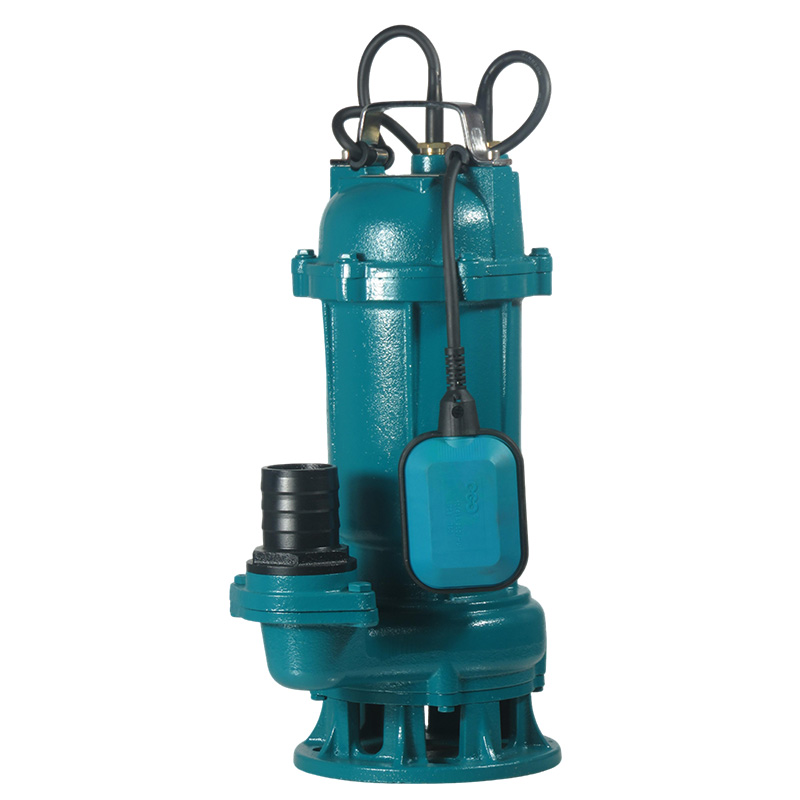
2026/09/15
Master residential basement drainage pump installation with Flyaway. Follow our expert guide on sizing, pit excavation, plumbing, and safety for dry, secure spaces.
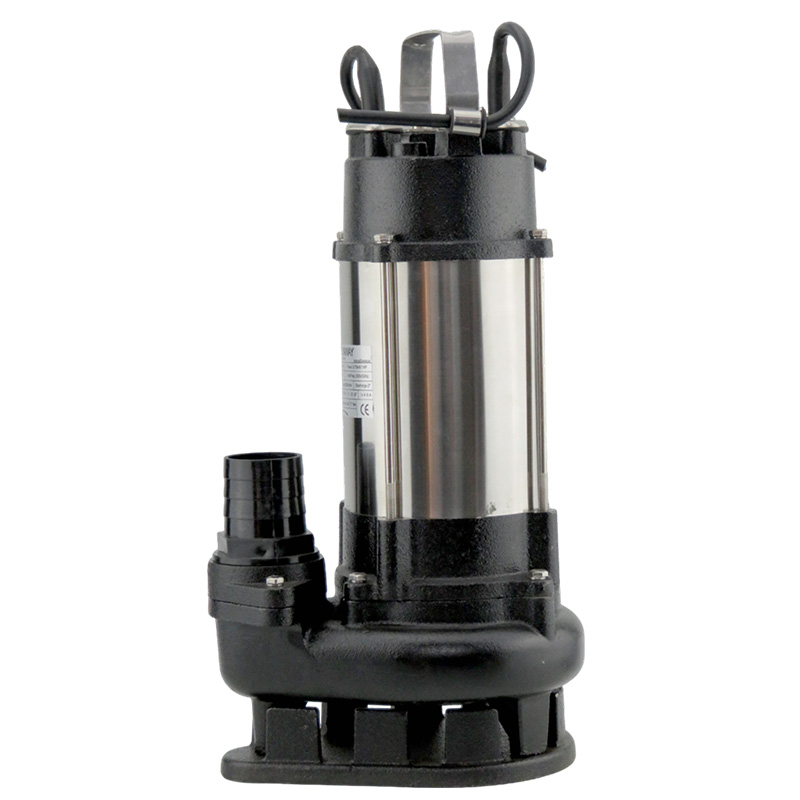
2026/09/15
Discover how a reliable sewage water pump and advanced wastewater pumping solutions enhance drainage network efficiency for municipal and industrial systems.
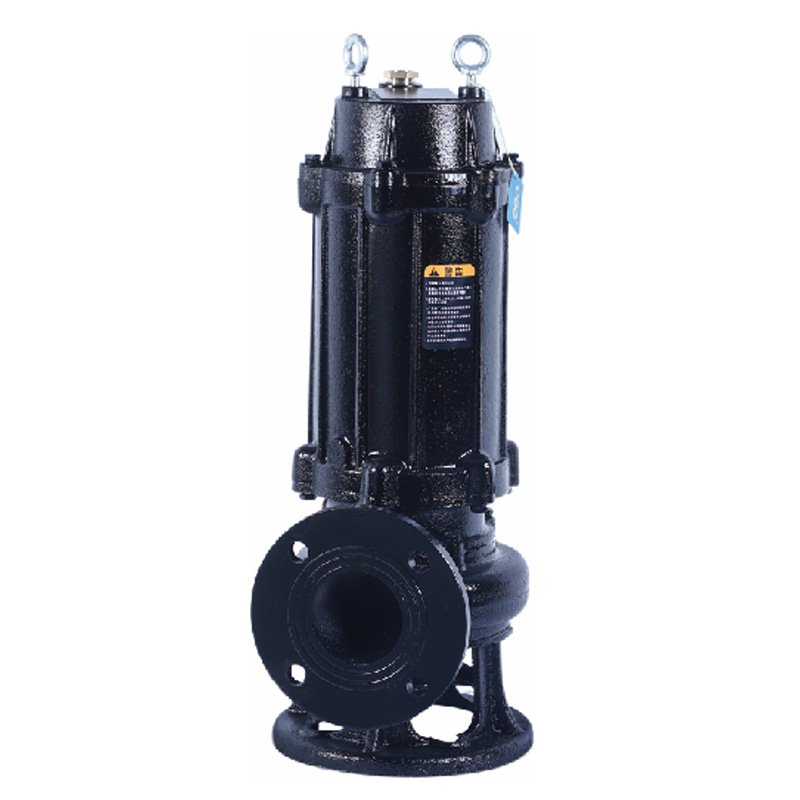
2026/09/15
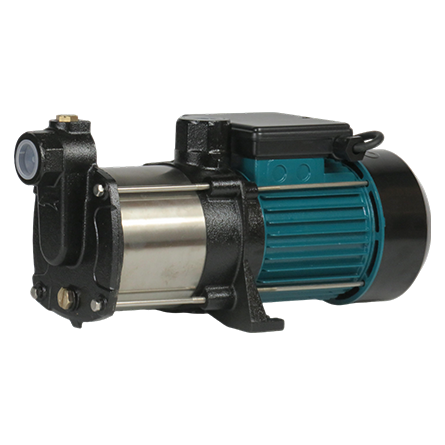
Discover expert tips for drainage pump selection, material grades, and motor specs. Explore high-performance industrial drainage pumps by Flyaway today.
2026/09/15
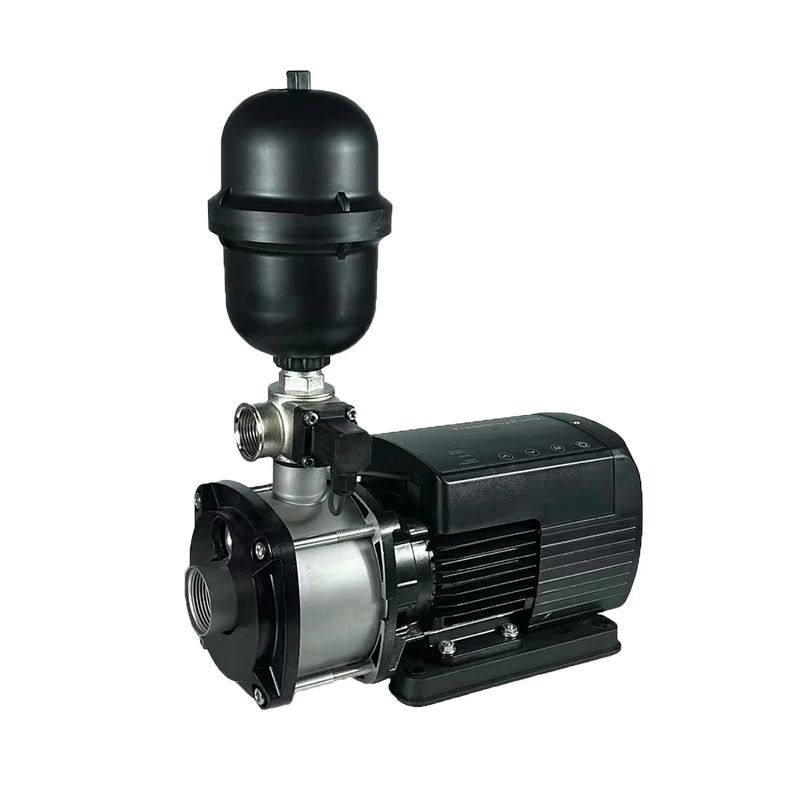
Discover expert tips on centrifugal pump selection, sizing, and material benefits to find the ideal industrial stainless steel fluid transfer solution.
2026/09/15
Discover how to choose the right commercial solar pump for your needs. Learn key metrics, MPPT controller roles, and durability tips for your off-grid project.
