 EN
EN
Benefits of Installing a Self Priming Pressure Pump
2026/09/14
Flyaway self priming pressure pump offers great efficiency. Explore industrial water pump benefits plus commercial advantages for modern fluid systems.

2026/09/14

When engineering teams approach fluid transfer challenges across industrial plants, the most common pitfall is guessing equipment requirements instead of performing a rigorous system evaluation. At Flyaway, our field engineers frequently encounter industrial setups where incorrect equipment selection leads to cavitation, excessive energy consumption, and premature mechanical failure. Selecting the correct pump size is not merely about matching pipe diameters; it requires a comprehensive analysis of your entire hydraulic circuit. By examining real-world deployment cases across chemical processing, water treatment, and wastewater management, we have observed that taking time to map friction losses, fluid viscosity, and elevation changes saves thousands of dollars in maintenance overhead. True professional expertise dictates that every variable—from operating temperature to vapor pressure—must be meticulously accounted for before equipment procurement begins. Furthermore, understanding your system's unique hydraulic profile ensures that the installed machinery operates smoothly without unexpected shutdowns or pressure surges. Finding the proper equipment right at the beginning of your project prevents costly redesigns and operational bottlenecks later on, ensuring long-term plant stability and maximum economic efficiency.
A successful pump size calculation requires a deep understanding of hydraulic principles, specifically flow rate and total dynamic head. Flow rate, typically measured in gallons per minute or cubic meters per hour, defines the volume of fluid the system needs to move within a specific timeframe to satisfy production quotas. Total dynamic head, on the other hand, accounts for the elevation lift, discharge pressure, and frictional losses incurred as the liquid travels through pipes, valves, and fittings. In our engineering practice at Flyaway, we rely on established formulas and hydraulic equations recognized by industry authorities like the Hydraulic Institute to map these variables accurately. Ignoring any single component during this evaluation phase can lead to a severely underperforming system that fails to meet operational demands or an oversized unit that wastes precious energy through throttling and excessive pressure. Every accurate pump size calculation forms the bedrock of an efficient fluid transfer system and guarantees durable mechanical performance.
Finding the right pump size involves a systematic evaluation of your application's specific operating points. First, you must map out the maximum and minimum flow requirements of your process to ensure the selected equipment operates near its Best Efficiency Point. Second, calculate the system resistance curve by analyzing pipe diameters, lengths, and potential elevation changes across the entire piping network. Third, cross-reference these calculated metrics with manufacturer performance curves, ensuring that the selected model delivers optimal performance without risking cavitation, which occurs when vapor bubbles form and collapse violently inside the impeller. At Flyaway, we guide our clients through this rigorous evaluation process, ensuring that every pump matches the exact operational envelope required by their specific site conditions rather than relying on generalized estimations. Determining optimal fluid requirements prevents operational bottlenecks and eliminates chronic maintenance headaches.
To illustrate the real-world impact of accurate sizing, consider a recent municipal water supply project managed by our team at Flyaway. The client was experiencing recurring motor failures and severe pipeline vibrations because their previous installation utilized an oversized centrifugal pump that constantly operated against a closed valve. By conducting a thorough system audit and performing a precise system analysis, we identified that the required setup needed significantly less horsepower and a different impeller trim to match the system curve. Replacing the oversized unit with a properly optimized configuration reduced their energy consumption by over thirty percent and eliminated maintenance calls entirely. This case underscores a vital truth: getting the right pump size right from the start is essential, and precision always outperforms brute force in fluid dynamics and industrial plant operations.
Even seasoned operators can occasionally stumble when determining equipment specifications due to common industry misconceptions. One frequent mistake is adding excessive safety margins to flow and head estimates "just in case," which inadvertently pushes the operating point far to the left or right of the design curve, causing severe efficiency loss and premature component wear. Furthermore, failing to account for fluid viscosity, temperature changes, and specific gravity can drastically alter pump performance characteristics in real-world conditions. At Flyaway, we emphasize transparency and rigorous data verification to help our clients choose the right equipment and avoid these expensive errors, ensuring that every installation is backed by sound engineering principles and reliable data from trusted industry benchmarks. Careful review of every pump size parameter guarantees long-term reliability and sustainable energy savings.
Navigating the complexities of fluid mechanics to find the right pump size does not have to be an overwhelming challenge when you follow a structured, data-driven approach. By understanding your system's unique flow and head requirements, leveraging accurate calculation methods, and partnering with experienced professionals, you can achieve optimal operational efficiency and reliability. At Flyaway, we remain committed to providing practical, high-quality guidance and robust pumping solutions tailored to your specific application needs. Whether you are upgrading an existing facility or designing a brand-new fluid transfer system, investing time in proper evaluation today will pay dividends in trouble-free operation and energy savings for years to come. Ensuring the right pump size is selected remains our ultimate commitment to your operational success and sustainable industrial progress.
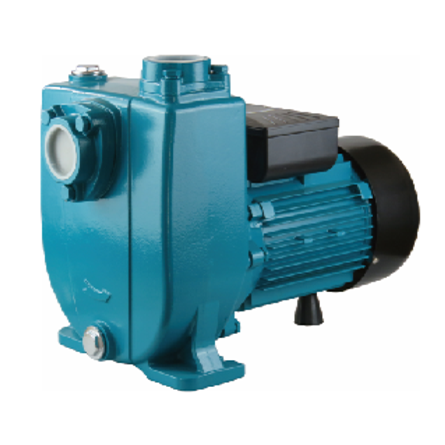
2026/09/14
Flyaway self priming pressure pump offers great efficiency. Explore industrial water pump benefits plus commercial advantages for modern fluid systems.
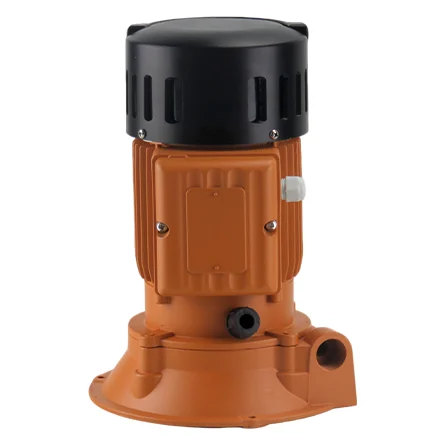
2026/09/14
Discover why pump size and flow rate matter in fluid systems. Learn expert tips on hydraulic pump sizing and equipment selection from Flyaway today.
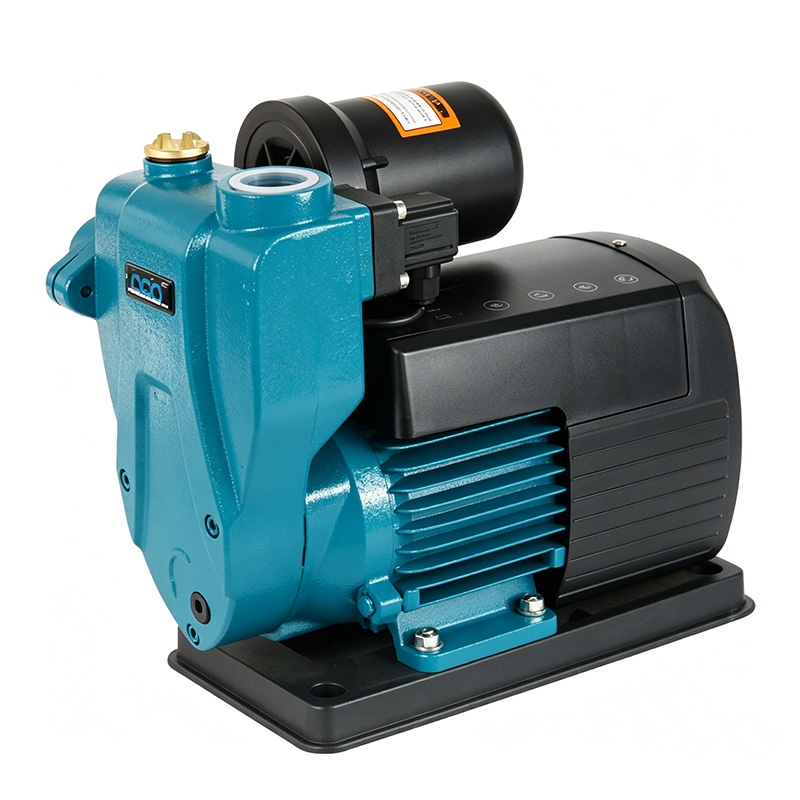
2026/09/14
Discover what self priming pumps are used for across municipal, industrial, and agricultural sectors. Learn expert tips from Flyaway today.
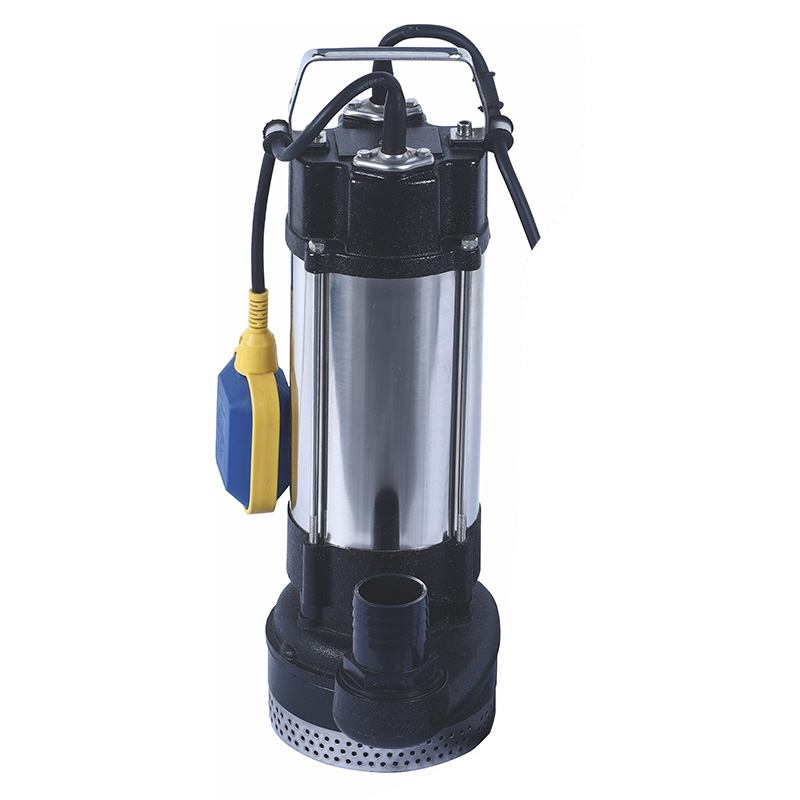
2026/09/14
Discover what a clean water pump is used for. Explore residential, industrial, and potable water pump solutions to boost performance and ensure fluid safety.
2026/09/14
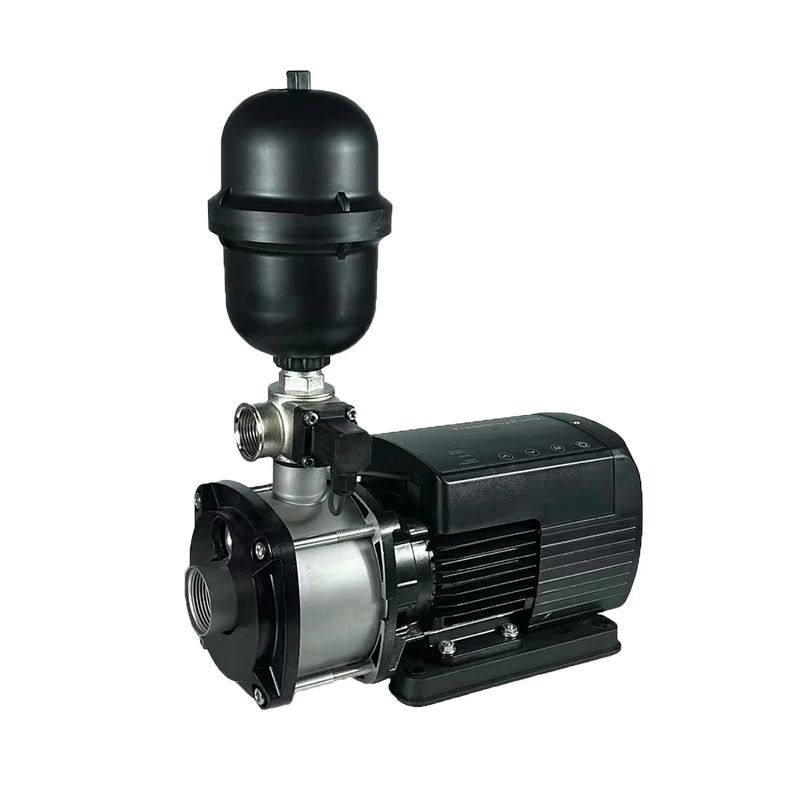
iscover top benefits of a constant pressure water pump and variable speed water pump. Boost flow, save energy, and protect your home plumbing system.
