 EN
EN
Benefits of Using a Water Pump for Low Water Pressure Enhancement
2026/09/12
Discover key benefits of using a water pump for low water pressure. Improve residential flow rates, protect your pipeline, and enjoy a reliable supply.

2026/09/12

In modern domestic settings, maintaining a reliable, steady, and pressurized water flow across all household plumbing fixtures is absolutely fundamental to daily comfort, health standards, and general hygiene. Based on extensive field experience in fluid dynamics and residential infrastructure engineering, fluctuating municipal supply pressures and multi-story architectural layouts frequently result in weak water delivery at upper-floor showers, laundry rooms, and kitchen sinks. Without a proper pressure booster mechanism or a well-installed domestic water pump, households often struggle with inconsistent appliance performance, sluggish flow rates, and inadequate sanitation during peak community consumption hours. Therefore, understanding the core dynamics of fluid delivery is the first essential step toward achieving total household water security and operational stability. Implementing a high-efficiency domestic water pump directly solves these systemic supply deficits by providing the necessary hydraulic boost to elevate water to elevated stories seamlessly. Furthermore, when selecting a domestic water pump, homeowners must carefully evaluate municipal guidelines, pipe diameters, and daily household volume requirements to ensure optimal system compatibility and long-term durability.
At its mechanical core, a reliable domestic water pump functions by utilizing an internal rotating impeller driven by an enclosed electric motor to draw water from an inlet supply source and discharge it under significantly increased pressure. When evaluating equipment options for residential use, homeowners frequently look into robust surface units like the GS100 automatic self-priming pump range and compatible variants offered by industry leaders such as Flyaway. These compact systems are specifically engineered for clean-water supply, automatic boosting, water-tower feeding, shallow-source lifting, and agricultural garden irrigation. Depending on the specific configuration, units like the GS100 and STM models range from 0.1 kW to 0.75 kW in power rating, delivering maximum water flows ranging from 1.5 to 3.0 m³/h and maximum operating heads spanning from 21 to 50 meters. Operating any advanced fluid system requires careful attention to electrical grounding, dry-run protection features, and proper priming procedures to prevent mechanical seal damage. By integrating a versatile domestic water pump into your property's primary plumbing network, you ensure that every faucet, showerhead, and irrigation line receives a consistent, high-pressure supply regardless of external municipal supply fluctuations.
When choosing equipment for residential applications, determining exact hydraulic performance parameters is a critical step in comprehensive system design and professional installation. Underestimating total dynamic head often leads to insufficient water delivery at the discharge point and severe operational bottlenecks that strain the motor over time. A proper domestic water pump unit must be matched precisely to your system's specific flow rate and vertical lift requirements. Furthermore, reviewing the technical specifications listed on professional product pages ensures you select a model capable of maintaining consistent pressure without overloading the motor during continuous daily operation. Proper pipe sizing, check valve installation, and suction line sealing also affect actual operating results in the field. When an appropriately sized domestic water pump is deployed, it optimizes energy consumption while maximizing volumetric output, striking a perfect balance between high performance and cost-effective daily operation. Professional plumbers and installation technicians always recommend conducting a thorough flow and pressure audit before purchasing any booster unit to guarantee complete alignment with your household's unique architectural and hydraulic demands.
The choice of construction materials directly impacts how well a fluid transfer unit resists wear and handles specific environmental conditions throughout its extended service life. Utilizing corrosion-resistant cast iron, high-grade aluminum alloy motor housings, and durable brass impellers prevents internal degradation when pumping clean water supplies. Practical maintenance evaluations show that any premium domestic water pump equipped with reliable mechanical seals and external motor ventilation experiences considerably fewer operational issues over years of continuous service. Prioritizing robust housing materials safeguards your investment against mineral buildup and external weathering, ensuring uninterrupted fluid transfer and lowering overall lifecycle replacement expenditures significantly. Routine inspections of a working residential pump help identify minor seal wear or bearing friction before they escalate into major mechanical failures, thereby preserving optimal hydraulic efficiency. Manufacturers emphasizing strict quality control standards ensure that every structural component of the domestic water pump withstands rigorous chemical and physical testing prior to market distribution.
Modern residential properties demand high water efficiency and reliable delivery performance for a wide variety of demanding daily chores and contemporary appliances. Utilizing a quality pressure-boosting system or a dedicated domestic water pump effectively streamlines resource-intensive tasks such as landscape lawn irrigation, vehicle washing, exterior home maintenance, and rapid storage tank filling. Professional engineering insights and plumbing guidelines highlight that maintaining uniform, stable water flow significantly reduces mechanical strain on internal plumbing fixtures while preventing premature mechanical wear on household water heaters. By optimizing the entire water delivery process through a dependable booster unit, families can enjoy seamless daily operations without ever experiencing frustrating interruptions. Ultimately, investing in a top-tier domestic water pump represents a transformative upgrade for any residential property, guaranteeing superior water pressure, enhanced appliance longevity, and total peace of mind for all occupants.
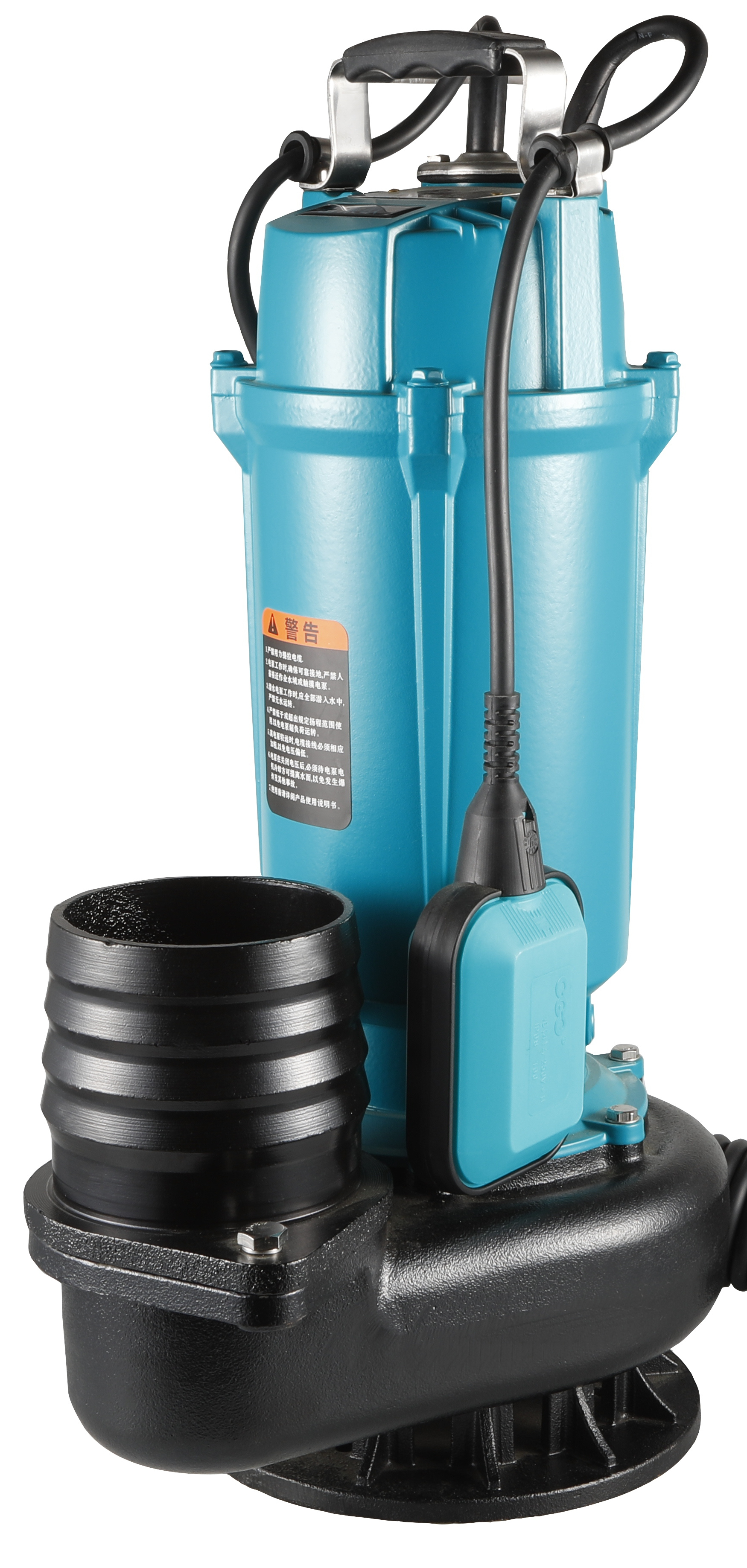
2026/09/12
Discover key benefits of using a water pump for low water pressure. Improve residential flow rates, protect your pipeline, and enjoy a reliable supply.
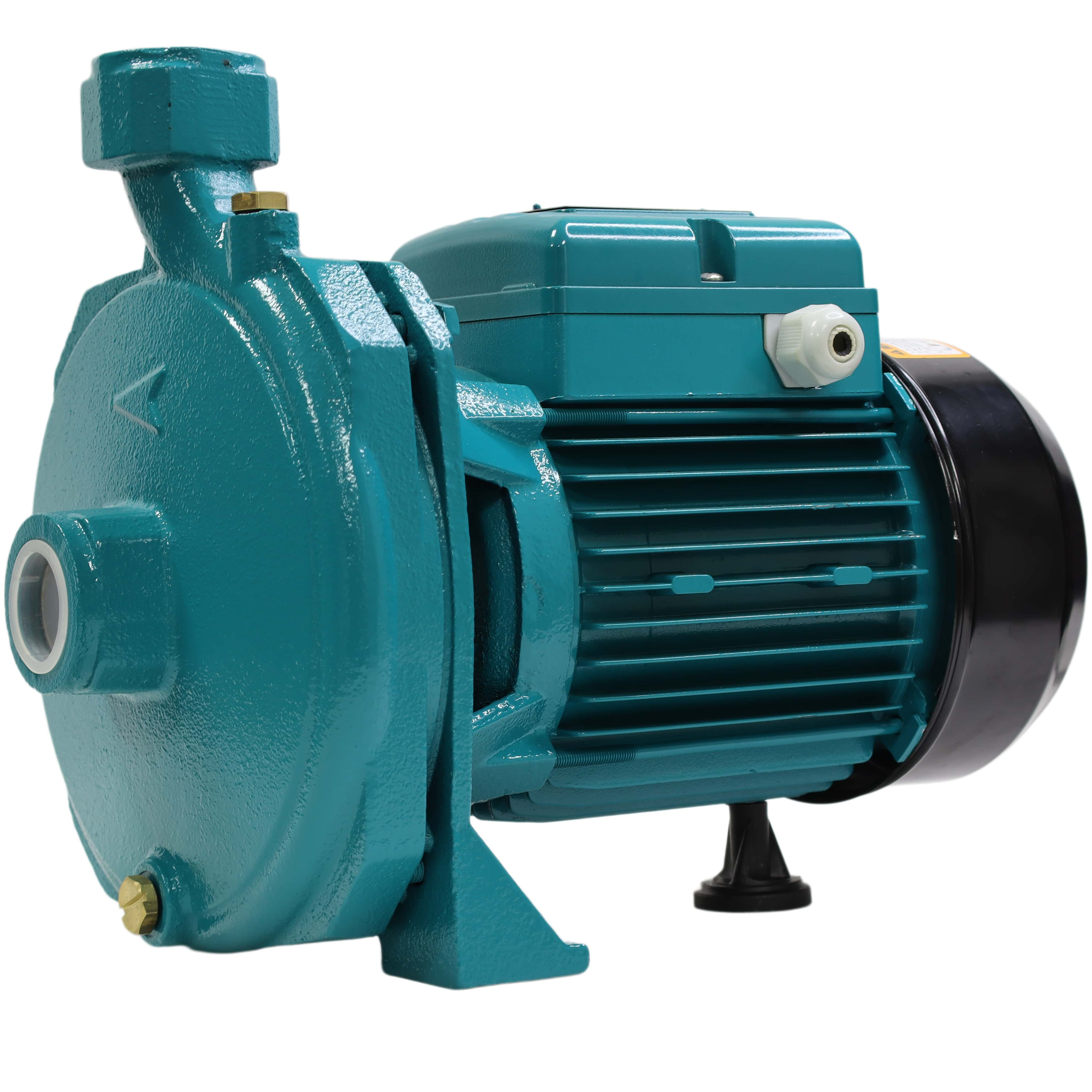
2026/09/12
Discover essential domestic water pump features, hydraulic performance, and maintenance tips by Flyaway to ensure reliable residential water pressure.
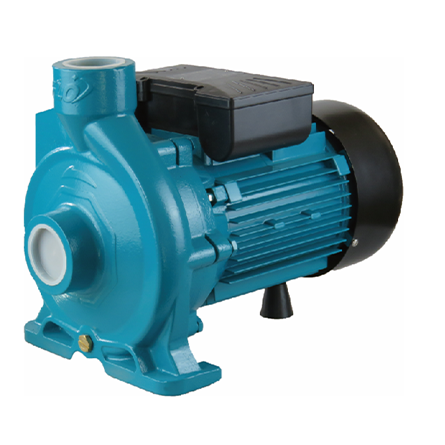
2026/09/12
Discover what a constant pressure water pump is, its key energy-saving benefits, and applications for residential and commercial systems by Flyaway.
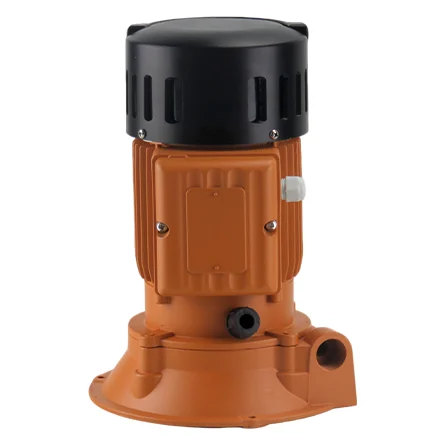
2026/09/12
Discover how Flyaway irrigation pump solutions maximize crop yields and efficiency. Learn key technical parameters and sustainable water management tips today.
2026/09/12
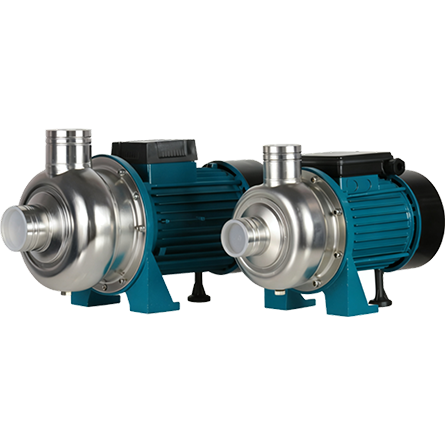
Discover the key features of a centrifugal pump stainless design. Learn about corrosion resistance, hydraulic efficiency, and reliability with Flyaway.
