 EN
EN
Domestic Water Pump Solutions for Homes
2026/09/08
Discover efficient domestic water pump solutions by Flyaway. Improve residential water pressure, ensure steady flow, and optimize home utility today.

2026/09/08
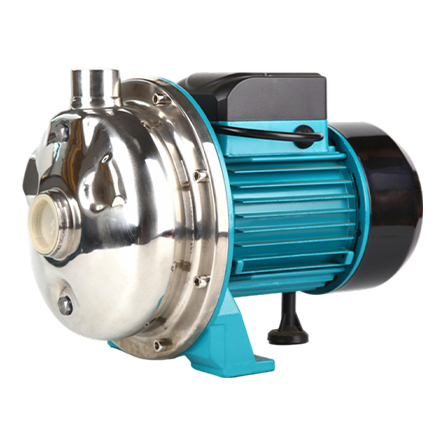
When choosing a clean water pump for residential, agricultural, or light industrial applications, determining the exact hydraulic performance parameters is the critical first step in comprehensive system design. Based on practical deployment scenarios and extensive engineering experience at Flyaway, underestimating total dynamic head often leads to insufficient water delivery at the discharge point and severe operational bottlenecks. A reliable clean water pump must be matched precisely to your system's specific flow rate, measured accurately in gallons per minute or cubic meters per hour, alongside the vertical lift, pipe friction losses, and fitting resistance. Reviewing the technical specifications listed on our product pages ensures you select a model capable of maintaining consistent pressure without overloading the motor during continuous daily operation. Furthermore, understanding fluid temperature, specific gravity, and viscosity prevents unexpected cavitation, vapor lock, and premature impeller wear across demanding operational cycles, ensuring that your clean water pump operates at peak hydraulic efficiency and structural integrity under rigorous operating conditions.
Selecting the correct motor rating prevents premature equipment failure and ensures energy-efficient daily performance in every industrial or commercial installation environment. Industry standards and technical benchmarks highlight that matching the power supply voltage—whether single-phase or three-phase—to your local electrical infrastructure is essential for safe installation and long-term operational reliability. Drawing from field installation insights, proper thermal overload protection built into the motor housing significantly extends the operational lifespan of the unit by preventing winding burnouts during unexpected voltage spikes or grid fluctuations. When browsing our equipment catalog, cross-reference the kilowatt or horsepower ratings with your duty cycle requirements to avoid unnecessary mechanical stress caused by frequent start-stop cycles or prolonged over-tasking. Integrating an efficient clean water pump into your facility requires careful attention to electrical phase balancing, circuit protection devices, proper enclosure ratings and environmental protection standards.
The choice of construction materials directly impacts how well a clean water pump resists wear and handles specific environmental conditions throughout its extended service life. According to strict manufacturing quality guidelines, utilizing corrosion-resistant cast iron, high-grade stainless steel, or reinforced thermoplastic components prevents internal degradation when pumping treated, raw, or potable water supplies. Our hands-on maintenance evaluations show that units such as a modern clean water pump equipped with high-grade mechanical seals, tungsten carbide faces, and ceramic shafts experience considerably fewer leakage issues over years of continuous service. Prioritizing robust housing materials safeguards your investment against mineral buildup, chemical corrosion, and external weathering in harsh outdoor or industrial environments, ensuring uninterrupted fluid transfer and lowering overall lifecycle replacement expenditures significantly.
Maximizing the efficiency and lifespan of your fluid transfer system relies heavily on correct mechanical setup, precise alignment, and proper priming procedures before initial startup. Practical engineering protocols dictate that suction piping should be equal to or greater than the inlet diameter of the clean water pump to prevent destructive cavitation, vortex formation, and air pockets. Ensuring that foot valves, check valves, and intake strainers are properly installed on suction lines maintains prime and prevents dry running, which is a leading cause of mechanical seal damage and wet-end wear. Following these straightforward installation guidelines guarantees stable output, reduces operating noise levels, and minimizes routine maintenance overhead for facility operators. Properly aligning every installed clean water pump prevents excessive vibration across pipe networks and extends bearing life considerably.
Establishing a regular inspection schedule keeps your pumping equipment running at peak performance and minimizes unexpected downtime in commercial and industrial operations. Maintenance experts recommend periodically checking shaft alignment, cleaning intake strainers, checking fastener torques, and monitoring operating temperatures for any signs of abnormal friction or electrical draw. Field service logs indicate that catching minor seal weeping or pipe blockages early prevents costly major repairs down the line. By adhering to the suggested upkeep routines outlined in our technical documentation, users can secure dependable, long-term operation from their fluid handling systems while maximizing operational efficiency. Maintaining your clean water pump correctly ensures sustained hydraulic performance year after year, protecting your critical infrastructure investment.
Achieving long-term sustainability and cost-effectiveness in fluid transfer operations requires continuous evaluation of overall system efficiency and power consumption metrics. When deploying any clean water pump, facility managers should consider integrating variable frequency drives to dynamically adjust motor speeds in response to fluctuating demand patterns. Such advanced control strategies not only eliminate throttling losses but also reduce water hammer and mechanical fatigue on valves and pipelines. Flyaway technical support teams emphasize that proactive monitoring of operating parameters guarantees that your clean water pump continues to deliver exceptional reliability and performance across its entire operational lifecycle without unexpected degradation or loss of hydraulic capacity, ultimately securing maximum return on investment for commercial projects.
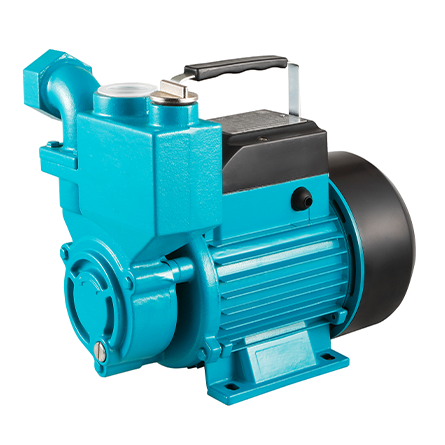
2026/09/08
Discover efficient domestic water pump solutions by Flyaway. Improve residential water pressure, ensure steady flow, and optimize home utility today.
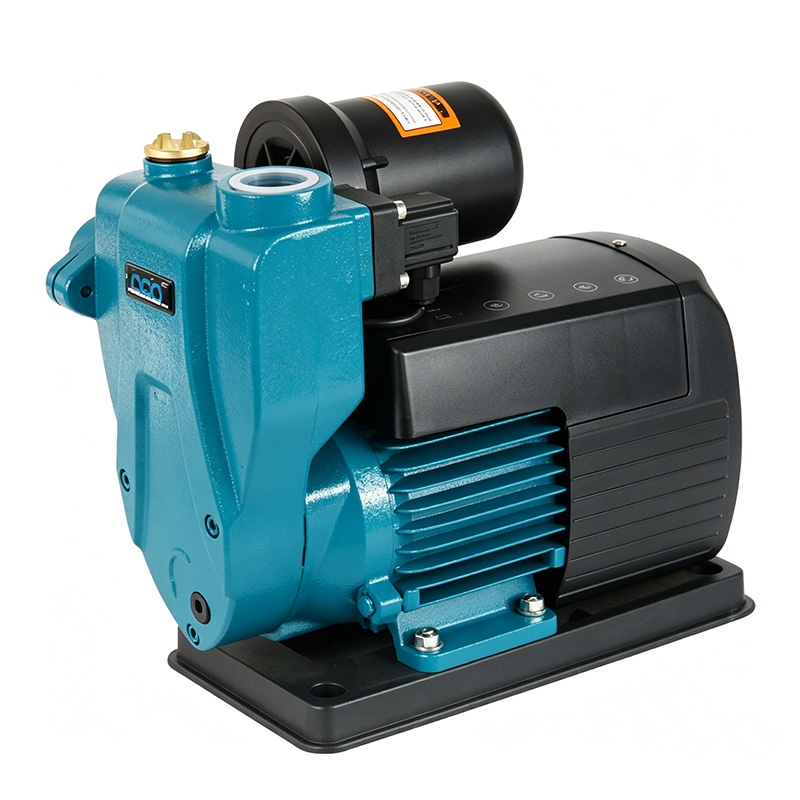
2026/09/08
Discover key benefits of using self priming pumps for industrial fluid transfer. Learn how Flyaway solutions improve efficiency and reduce maintenance costs.
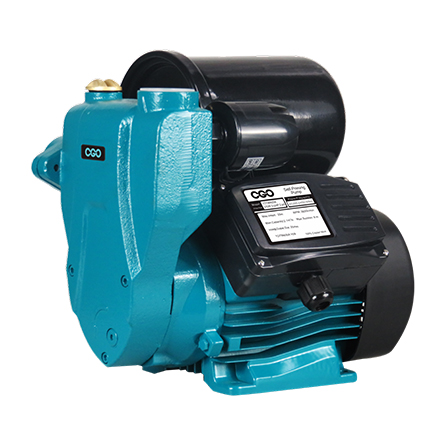
2026/09/08
Discover how to choose the right constant pressure water pump with VFD. Learn key hydraulic parameters, energy-saving benefits, and expert tips by Flyaway.
2026/09/08
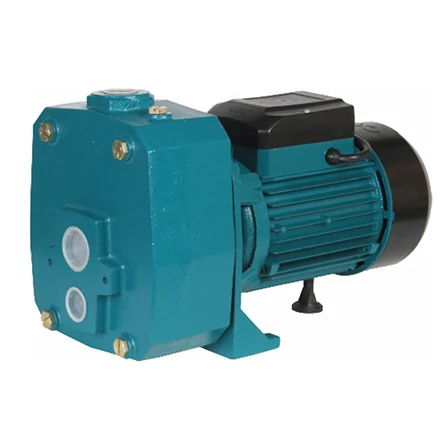
Discover what a jet pump is and its key uses in residential water supply, agricultural irrigation, and deep well extraction. Learn more with Flyaway.
2026/09/08
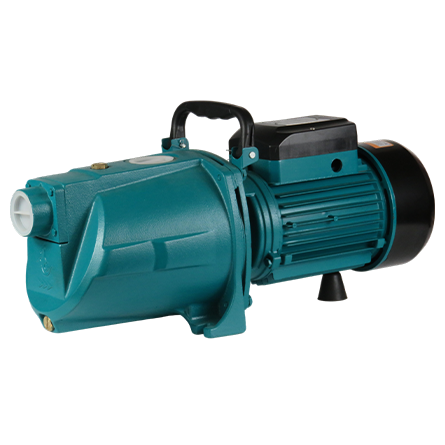
Discover why high-performance agri pumps are essential for modern crop irrigation systems. Learn expert selection tips and boost farm efficiency
