 EN
EN
Domestic Water Pump Solutions for Homes
2026/09/08
Discover efficient domestic water pump solutions by Flyaway. Improve residential water pressure, ensure steady flow, and optimize home utility today.

2026/09/08
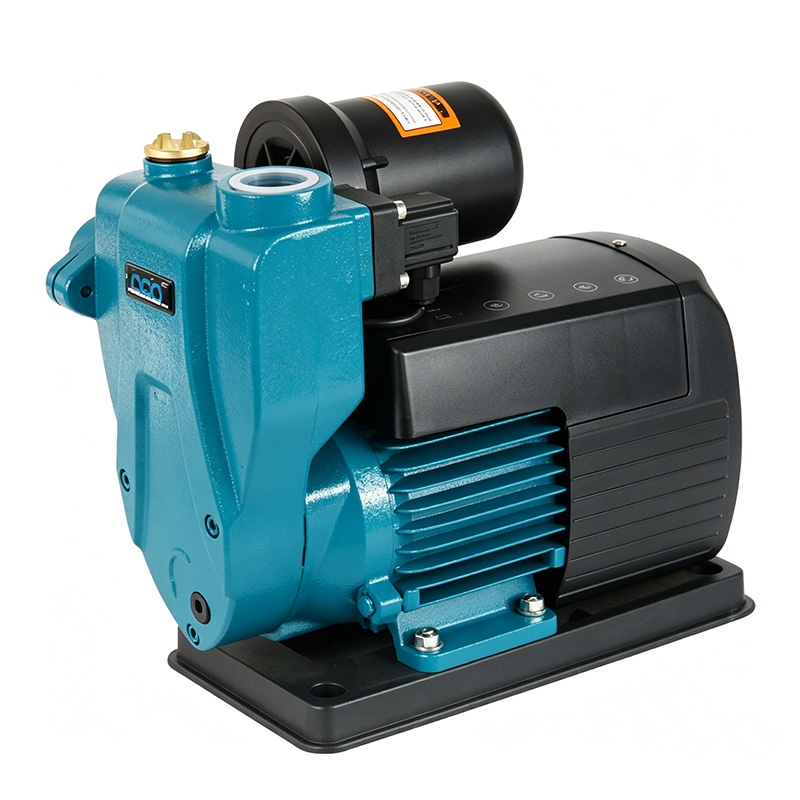
At Flyaway, working closely with industrial fluid transfer projects has shown us firsthand how critical reliable pump selection is for operational efficiency and facility productivity. When handling liquids containing entrained air, volatile gases, or intermittent flow conditions, traditional centrifugal pumps frequently lose their prime, leading to costly operational downtime, fluid loss, and excessive equipment strain. This is where self priming pumps prove indispensable for modern industrial, municipal, and commercial applications. Drawing from years of field experience across municipal drainage networks, chemical processing facilities, and agricultural irrigation systems, our engineering team evaluates complex fluid mechanics to ensure equipment performs reliably under demanding operating conditions. Expert engineering studies and technical literature consistently demonstrate that eliminating manual priming steps significantly reduces labor costs, minimizes human error, and enhances overall system uptime. By integrating advanced hydraulic design principles, self priming pumps automatically evacuate air from the suction line and create a functional vacuum without requiring external priming devices, auxiliary vacuum pumps, or traditional foot valves. Furthermore, their robust construction and superior air-handling capabilities prevent vapor lock during erratic suction conditions. This practical reliability makes them the preferred choice for plant engineers seeking seamless fluid management and long-term operational cost reduction across diverse plant environments, harsh operating schedules, and remote installations.
Understanding how self priming pumps operate requires a thorough look at their internal casing design, volute geometry, and liquid recirculation process. Unlike standard centrifugal pumps, self priming units feature a specially engineered internal volute chamber that retains a sufficient volume of liquid even after the pump is shut down. Upon startup, the rotating impellers mix this retained liquid with incoming air drawn from the suction line, creating a high-velocity fluid-air foam mixture. As this mixture is discharged into the upper separation chamber, the entrained air separates and escapes through the discharge port, while the heavier liquid drops back down through the recirculation port to mix with more incoming air. This continuous cycle repeats rapidly until all suction line air is fully evacuated, establishing a complete vacuum and normal pumping action. At Flyaway, our rigorous technical evaluations emphasize matching the correct impeller geometry, volute dimensions, and shaft speed to specific head and flow requirements. Maintaining precise manufacturing tolerances ensures that self priming pumps achieve optimal volumetric efficiency while preventing destructive cavitation, excessive noise, and thermal stress during extended operational cycles across various complex industrial facilities. Additionally, proper casing material selection protects internal components against aggressive chemical exposure, thermal shock, and abrasive wear over time.
The exceptional versatility of self priming pumps makes them highly valuable across diverse industrial sectors, including wastewater management, marine bilge pumping, chemical transfer, and general industrial manufacturing. One of the primary operational advantages is their ability to be mounted safely above the liquid level, which drastically simplifies installation, routine inspection, and scheduled maintenance. Because the pump casing houses the integrated priming reservoir, technicians can easily service the internal mechanical components without submerging the entire pump assembly or struggling with complex, hard-to-reach foot valve maintenance in deep sumps or hazardous pits. Furthermore, self priming pumps excel in handling abrasive slurries, viscous fluids, and fluctuating liquid levels where suction lifts are unpredictable or subject to rapid changes. Field data from various processing plants confirms that utilizing these systems minimizes the risk of dry running, overheating, and mechanical seal failure. This operational resilience translates directly into extended equipment lifespan, reduced spare parts consumption, and highly predictable maintenance schedules for facility operators worldwide across multiple operating shifts.
Proper maintenance practices are essential for maximizing the operational service life and long-term reliability of self priming pumps in demanding industrial environments. Routine inspections should focus on checking the liquid level in the priming chamber, verifying mechanical seal integrity, and ensuring that all suction piping connections remain completely airtight. Even minor air leaks in the suction line can severely disrupt the vacuum creation process, causing prolonged priming times, reduced flow rates, or complete priming failure. Flyaway technical guidelines recommend establishing a comprehensive preventive maintenance schedule that includes periodic clearance checks between the impeller face and volute wear plates. Maintaining these critical clearances is vital because excessive wear widens internal gaps, reducing the pump's ability to evacuate air efficiently and lowering discharge pressure. By adhering to strict manufacturer recommendations, conducting systematic troubleshooting, and replacing worn components proactively, facility managers can prevent minor issues from escalating into major operational bottlenecks and unexpected system failures.
Investing in high-performance self priming pumps represents a strategic, cost-effective decision for industrial operations aiming to optimize fluid transfer reliability and minimize total lifecycle costs. As global engineering standards evolve, manufacturers continue to refine hydraulic efficiencies, material durability, and intelligent monitoring capabilities to meet stricter environmental and energy regulations. At Flyaway, we remain committed to providing robust fluid management solutions backed by rigorous technical expertise and practical field insights gathered from decades of industry application. Whether upgrading existing infrastructure or designing new processing facilities, selecting the appropriate pump technology ensures sustained operational success, safety, and productivity. By prioritizing quality engineering, proper system sizing, and diligent maintenance routines, industrial users can harness the full potential of self priming pumps to achieve long-term operational excellence, superior economic returns, and sustainable industrial growth.
2026/09/08
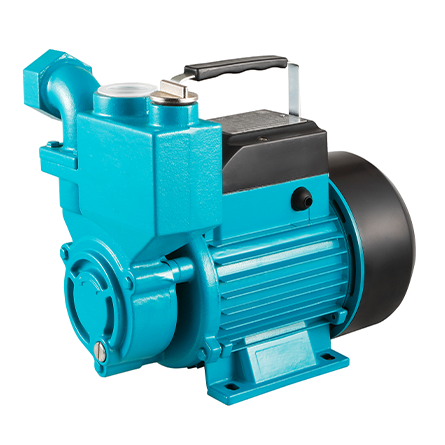
Discover efficient domestic water pump solutions by Flyaway. Improve residential water pressure, ensure steady flow, and optimize home utility today.
2026/09/08
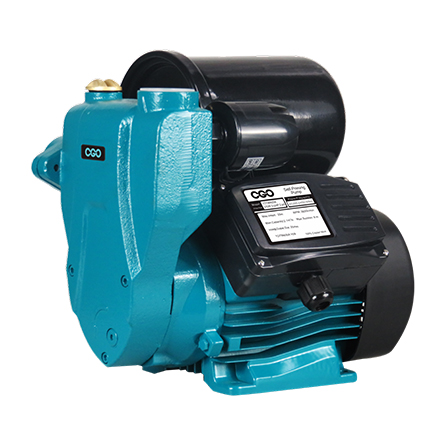
Discover how to choose the right constant pressure water pump with VFD. Learn key hydraulic parameters, energy-saving benefits, and expert tips by Flyaway.
2026/09/08
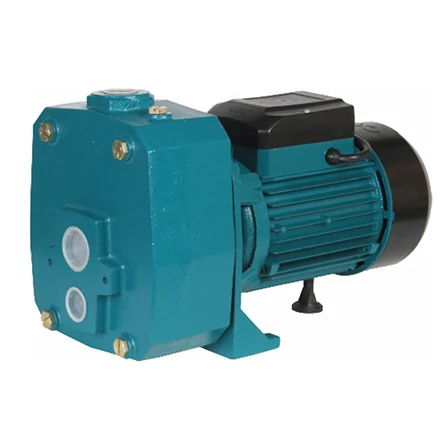
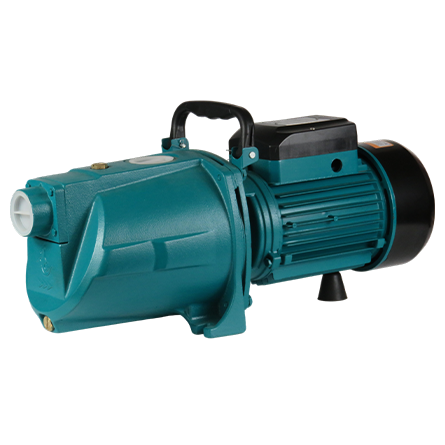
Discover what a jet pump is and its key uses in residential water supply, agricultural irrigation, and deep well extraction. Learn more with Flyaway.
2026/09/08
Discover why high-performance agri pumps are essential for modern crop irrigation systems. Learn expert selection tips and boost farm efficiency
2026/09/08
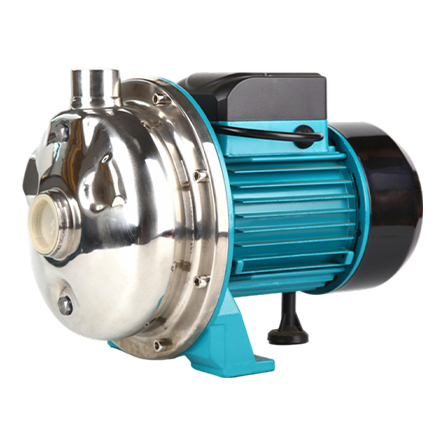
Discover expert tips on choosing the right clean water pump for your facility. Learn about flow rates, motor specs, and maintenance with Flyaway.
