 EN
EN
Benefits of Installing a Self Priming Pressure Pump
2026/09/14
Flyaway self priming pressure pump offers great efficiency. Explore industrial water pump benefits plus commercial advantages for modern fluid systems.

2026/09/14
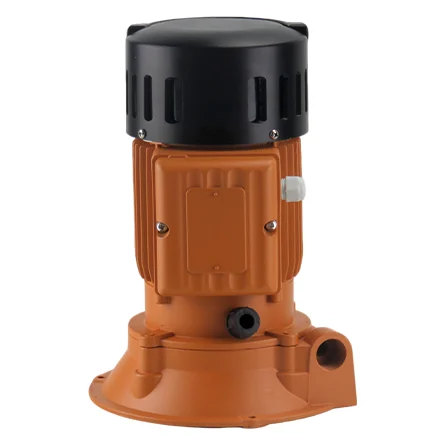
When designing an advanced fluid transfer system, one of the most critical engineering decisions involves choosing the correct physical dimensions for your equipment. Many technicians, plant managers, and facility operators often wonder why pump size has such a massive impact on overall hydraulic performance, energy consumption, and system longevity. At Flyaway, our engineering team regularly encounters industrial and residential installations where incorrect equipment dimensions lead to severe operational inefficiencies, premature mechanical wear, and unexpected downtime. A proper pump size configuration ensures that your liquid handling network operates smoothly without cavitation, excessive pressure drops, or unnecessary energy waste. Understanding the physical boundaries and hydraulic characteristics of your equipment helps prevent costly failures across complex industrial layouts and domestic water supply networks alike. Furthermore, accurate dimensioning establishes a solid foundation for reliable daily performance, minimizing the risk of system failures during peak operational hours.
The technical process of hydraulic pump sizing goes far beyond simply matching pipe diameters or looking at basic manufacturer catalogs; it requires a deep, comprehensive analysis of system flow velocity, total dynamic head pressure, and intricate system resistance curves. If a facility installation utilizes an undersized unit, the motor will constantly struggle to meet the required demand, resulting in low discharge volumes, restricted system output, and thermal overload. Conversely, an oversized apparatus can create excessive turbulence, localized pipeline erosion, and high operating costs due to unnecessary power consumption and frequent motor cycling. Engineers and technicians must calculate the operational duty point meticulously, matching the specific speed, suction head, and impeller geometry to the exact liquid volume required by the application. Proper sizing guarantees that all operational parameters remain well within the optimal efficiency range specified by industry standards. Moreover, taking time to evaluate these variables prevents long-term structural fatigue in piping networks and valves.
In practical fluid dynamics, selecting a correct unit directly dictates whether a system can successfully handle high-demand applications such as municipal water supply, high-rise building pressure distribution, or large-scale agricultural irrigation. At Flyaway, our extensive field experience shows that installations utilizing centrifugal pumps, booster sets, or self-performing peripheral models perform best when the inlet and discharge dimensions align precisely with the broader piping architecture. For instance, when transferring clean water, cooling lubricants, or non-aggressive chemical fluids, improper volumetric matching can severely disrupt the internal pressure balance and lead to air-locking. Ensuring precise alignment between the physical dimensions and the expected pump size flow rate prevents vapor lock, minimizes turbulence, and maintains continuous, reliable duty cycles under fluctuating load conditions. Practical applications require constant monitoring of flow rates to ensure that the equipment operates at peak performance levels without unexpected interruptions.
Optimizing your pump size is not merely a matter of basic fluid mechanics; it is also a crucial financial and environmental strategy for modern facilities seeking to reduce their carbon footprint and operating expenditures. Oversized machinery consumes excess electrical energy, generates excessive noise and vibration, and places undue stress on mechanical seals and bearings, thereby shortening the lifecycle of the entire assembly. By implementing accurate hydraulic pump sizing protocols, facility managers can significantly reduce maintenance downtime, minimize repair expenses, and lower long-term operational expenditures. At Flyaway, our experts emphasize that a well-matched system achieves stable head pressures and optimal energy efficiency without requiring over-engineered infrastructure, leading to sustainable, highly reliable, and cost-effective operations over extended periods of time. Balancing these financial and technical aspects ensures long-term profitability and equipment durability.
In summary, mastering pump size selection is absolutely essential for achieving a reliable, high-performance fluid transfer network that stands the test of time and rigorous industrial demands. Whether dealing with domestic water pressure boosting, HVAC circulation loops, or complex industrial liquid transport, paying close attention to the pump size flow rate relationship ensures long-term operational stability and system safety. Through careful calculation, adherence to professional hydraulic pump sizing guidelines, and leveraging high-quality, reliable equipment from Flyaway, operators can completely eliminate guesswork and optimize their fluid systems for maximum efficiency, safety, and operational longevity. By treating equipment dimensioning as a core engineering priority, facilities can achieve seamless fluid management across all operational phases while maintaining optimal performance standards every single day.
Looking forward, modern fluid management systems demand continuous monitoring and proactive maintenance strategies to sustain optimal performance levels over extended operational lifecycles. Integrating smart sensors and automated control valves allows operators to track variations in pump size flow rate in real time, identifying potential bottlenecks before they escalate into costly mechanical failures. At Flyaway, our technicians utilize refined hydraulic pump sizing methods during every inspection to guarantee that each pump size continues to deliver optimal results throughout its entire service life. By embracing these proactive methodologies, facilities can guarantee uninterrupted service, reduce overall energy waste, and maximize the return on investment for every installed pump size.
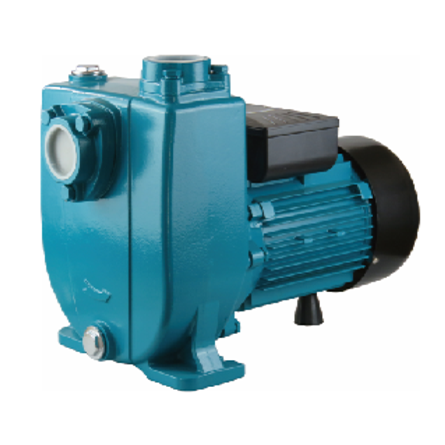
2026/09/14
Flyaway self priming pressure pump offers great efficiency. Explore industrial water pump benefits plus commercial advantages for modern fluid systems.
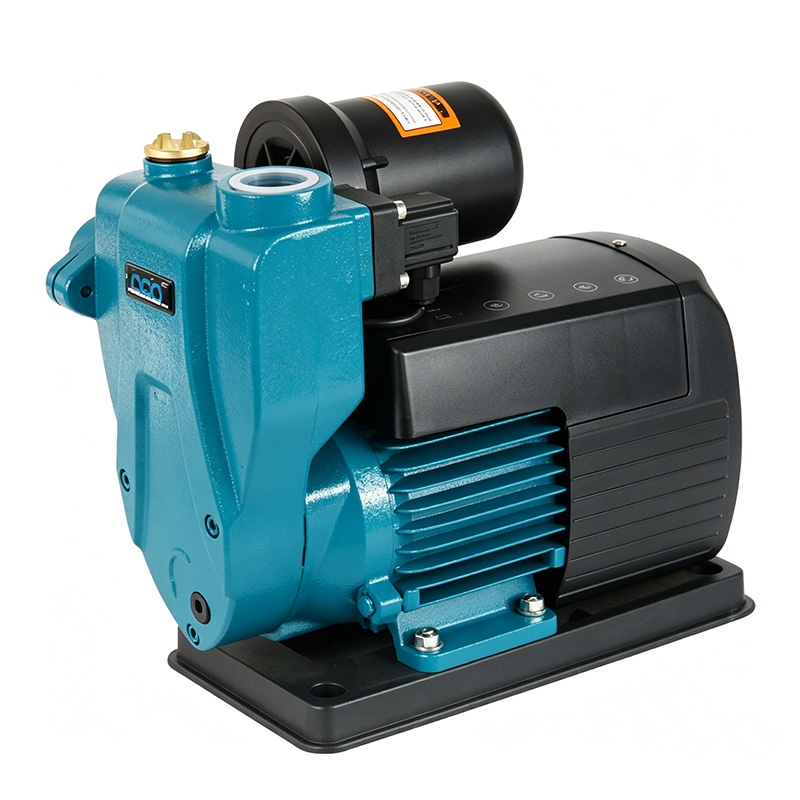
2026/09/14
Discover what self priming pumps are used for across municipal, industrial, and agricultural sectors. Learn expert tips from Flyaway today.

2026/09/14
Learn how to find the right pump size with expert tips from Flyaway. Master pump size calculation, avoid sizing pitfalls, and boost system efficiency.
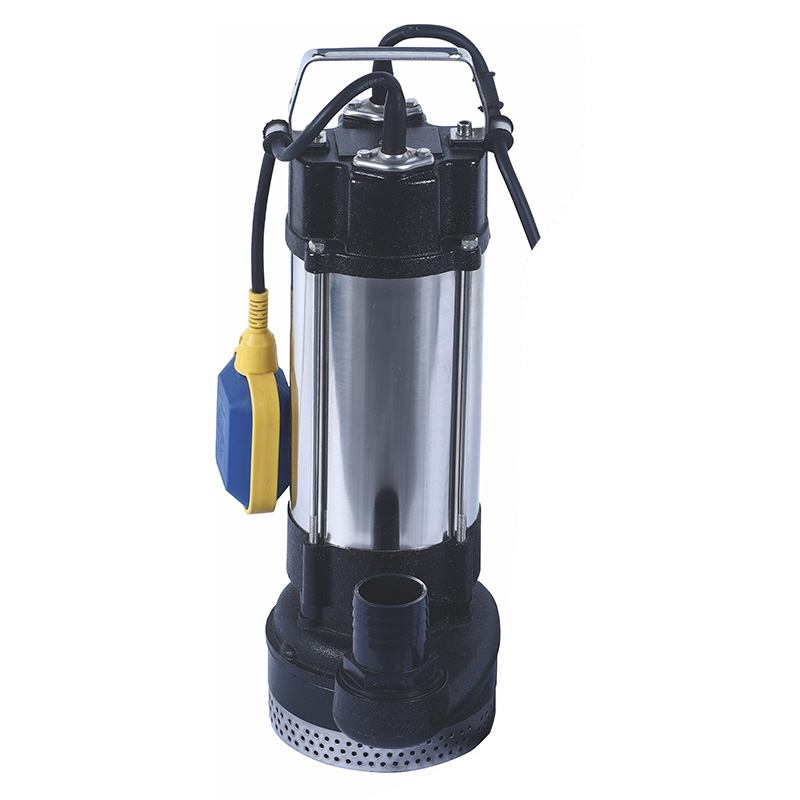
2026/09/14
Discover what a clean water pump is used for. Explore residential, industrial, and potable water pump solutions to boost performance and ensure fluid safety.
2026/09/14
iscover top benefits of a constant pressure water pump and variable speed water pump. Boost flow, save energy, and protect your home plumbing system.
