 EN
EN
Domestic Water Pump Solutions for Homes
2026/09/08
Discover efficient domestic water pump solutions by Flyaway. Improve residential water pressure, ensure steady flow, and optimize home utility today.

2026/09/04
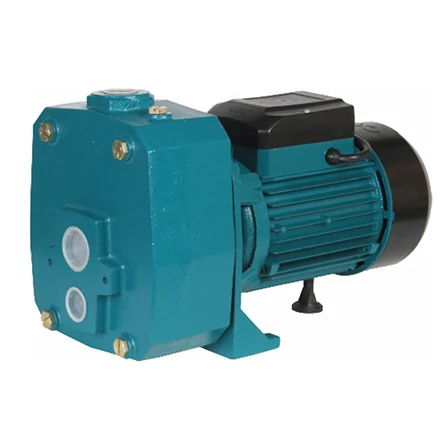
When engineering fluid management systems for industrial or commercial projects, selecting the right equipment is critical for long-term operational success and system reliability. At Flyaway, we often encounter clients looking for efficient solutions to handle liquid transfer without the constant hassle of priming issues and manual intervention. This is where self priming pumps come into play as an industry-standard choice for modern fluid engineering. Unlike traditional centrifugal pumps that require manual priming or a separate foot valve to evacuate air from the suction line, these specialized units are engineered with a unique internal chamber design. This built-in reservoir allows the pump to mix air and water, creating a fluid vacuum that automatically draws liquid up from below the centerline. By eliminating the need for external priming mechanisms, self priming pumps streamline initial setup and significantly reduce downtime during routine operational cycles. Engineers and facility operators appreciate this seamless mechanism because it removes a major point of potential mechanical failure, ensuring that fluid transfer systems remain reliable from the very first startup.
The primary reason industries turn to this equipment is exceptional versatility across diverse working environments, ranging from wastewater management to chemical processing and construction dewatering. When designing fluid loops, facilities often face challenging suction lifts where the liquid source sits below the pump inlet. Standard pumps struggle in these scenarios, frequently losing their prime or suffering from severe cavitation damage. Flyaway provides advanced pumping systems equipped to handle demanding suction lifts smoothly, maintaining consistent flow rates even when dealing with fluctuating fluid levels. Furthermore, because the priming chamber separates air and liquid naturally, these self priming pumps can continuously re-prime themselves even if the suction line temporarily ingests air pockets during operation. This capability makes them indispensable in construction dewatering, agricultural irrigation, and municipal sewage handling, where uninterrupted operation directly translates to cost savings and improved productivity on the job site.
Operational reliability and ease of maintenance are vital factors for any plant manager aiming to minimize lifecycle costs and maximize operational uptime. Traditional pumping systems often demand complex piping layouts and frequent manual interventions, which increase labor costs and elevate the risk of human error. In contrast, modern self priming pumps are designed with simplified maintenance access points, allowing technicians to inspect internal check valves, impellers, and wear plates without dismantling the entire suction and discharge piping network. Flyaway engineers these units to feature robust mechanical seals and durable casing materials that withstand corrosive or abrasive fluids effectively. Regular inspections are straightforward, typically involving a quick check of the internal volute liquid level and clearing any debris from the trap. This reduction in maintenance complexity means technicians spend less time troubleshooting recurring priming failures and more time focusing on core facility operations, ultimately lowering the total cost of ownership over the equipment's operational lifespan.
When comparing equipment options, buyers often weigh self priming pumps against standard centrifugal alternatives to determine the best fit for their specific hydraulic requirements and operating conditions. Standard centrifugal pumps generally offer higher peak efficiencies when flooded suction is guaranteed, but they lack the air-handling capabilities required for challenging suction-lift applications. If a standard pump loses its prime, the internal liquid flashes to vapor, destroying the mechanical seal due to overheating. On the other hand, units equipped with internal priming incorporate a generous reservoir volume that retains enough liquid to restart the priming cycle automatically whenever air enters the system. While this design trade-off results in a slightly lower peak efficiency curve compared to a strictly flooded-suction centrifugal pump, the operational safety and self-sustaining capability of self priming pumps far outweigh the minor efficiency difference in non-ideal suction conditions. For most general utility applications, the peace of mind provided by a self-priming design makes it the superior choice.
Choosing the appropriate equipment requires a careful evaluation of operational parameters, including total dynamic head, required flow rate, and the physical properties of the handled fluid. When exploring the product lineup at Flyaway, customers should review specific performance curves to ensure the chosen units match their exact system resistance and duty cycles. Factors such as fluid viscosity, specific gravity, and the presence of suspended solids will influence both the impeller selection and the motor horsepower requirements. Consulting with experienced technical specialists ensures that your self priming pumps operate within their optimal efficiency zone, preventing premature wear and energy waste. By taking a methodical approach to system design and matching the right pump specifications to your operational demands, you can harness the full potential of self priming pumps to ensure long-lasting, trouble-free fluid transfer performance across your facility.
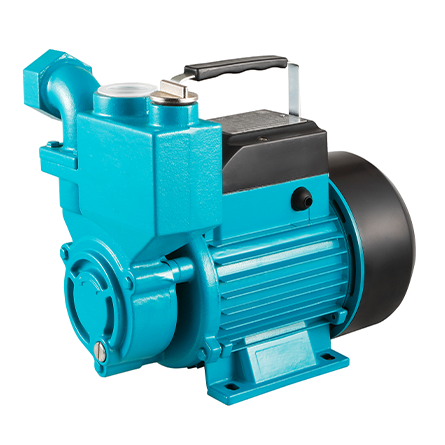
2026/09/08
Discover efficient domestic water pump solutions by Flyaway. Improve residential water pressure, ensure steady flow, and optimize home utility today.
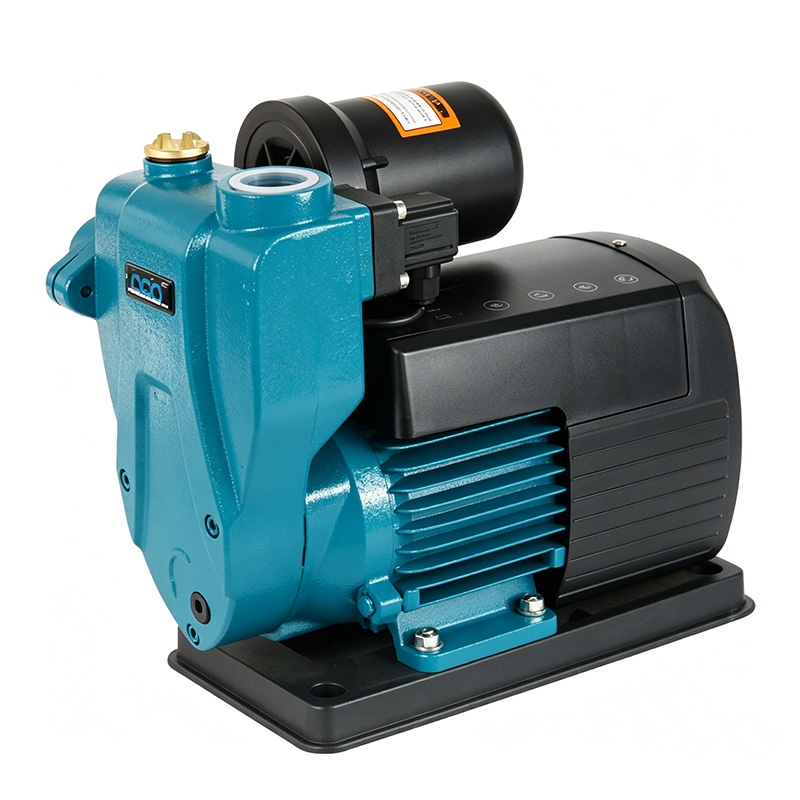
2026/09/08
Discover key benefits of using self priming pumps for industrial fluid transfer. Learn how Flyaway solutions improve efficiency and reduce maintenance costs.
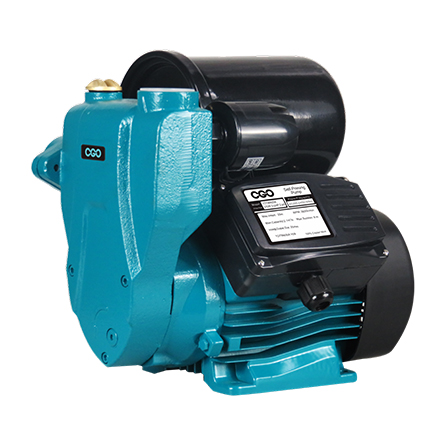
2026/09/08
Discover how to choose the right constant pressure water pump with VFD. Learn key hydraulic parameters, energy-saving benefits, and expert tips by Flyaway.
2026/09/08
Discover what a jet pump is and its key uses in residential water supply, agricultural irrigation, and deep well extraction. Learn more with Flyaway.
2026/09/08
Discover why high-performance agri pumps are essential for modern crop irrigation systems. Learn expert selection tips and boost farm efficiency
2026/09/08
Discover expert tips on choosing the right clean water pump for your facility. Learn about flow rates, motor specs, and maintenance with Flyaway.
