 EN
EN
Domestic Water Pump Solutions for Homes
2026/09/08
Discover efficient domestic water pump solutions by Flyaway. Improve residential water pressure, ensure steady flow, and optimize home utility today.

2026/08/31
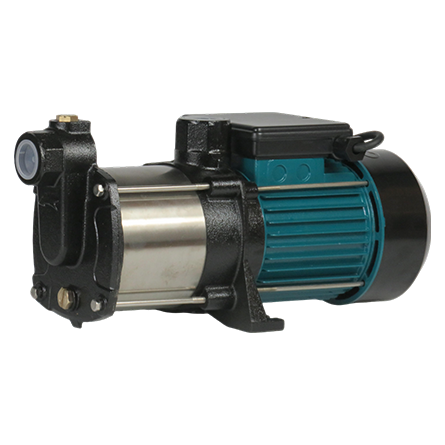
When industrial engineers, municipal utility managers, and commercial system operators evaluate complex fluid transfer solutions, understanding the fundamental mechanical advantages of a centrifugal pump is essential for optimizing long-term facility infrastructure. Across modern industrial setups, municipal water treatment plants, and commercial manufacturing facilities, moving clean water, chilled liquids, and processing chemicals efficiently relies heavily on a robust centrifugal pump unit engineered specifically to transform kinetic energy into fluid pressure. Based on practical engineering insights and field deployments associated with Flyaway, a high-efficiency centrifugal pump serves as the core centrifugal pump and foundational backbone for continuous water supply systems, HVAC fluid circulation, and heavy industrial processing loops. Unlike positive displacement equipment, this specialized centrifugal pump utilizes rotational kinetic energy generated by high-speed internal impellers to impart high velocity to the working liquid, subsequently converting that acquired velocity into steady hydraulic pressure within a carefully engineered volute casing. Operating a centrifugal pump correctly ensures that industrial facilities achieve stable, reliable fluid movement across diverse operational cycles without unnecessary energy dissipation or mechanical complications.
One of the primary reasons professional system designers choose a centrifugal pump for demanding engineering projects is its exceptional hydraulic performance, high volumetric efficiency, and steady discharge capability. In heavy industrial processing and high-volume manufacturing plant operations, utilizing a centrifugal pump as your primary industrial centrifugal pump serves as an indispensable operational tool designed to facilitate continuous fluid circulation, precise equipment cooling, and efficient chemical transfer tasks. Modern industrial and commercial environments frequently require sophisticated fluid networks where a centrifugal pump can handle continuous operational loops around the clock without generating harmful pressure spikes, hydraulic shocks, or severe mechanical vibrations. Because the internal impeller design of a centrifugal pump enables a smooth, non-positive displacement fluid flow, the liquid discharged by a centrifugal pump flows in a continuous, perfectly pulse-free stream. This reliable steady flow characteristic effectively prevents damaging pressure surges that could otherwise fracture sensitive downstream piping infrastructure, damage sensitive instrumentation, or harm delicate regulatory valves over time. Furthermore, integrating a centrifugal pump into existing networks allows plant operators to manage fluctuating volume demands seamlessly while maintaining optimal system pressure thresholds.
Another compelling factor driving the widespread adoption of a centrifugal pump across global industrial markets is its remarkable operational versatility across diverse working environments. From municipal water treatment facilities and urban distribution networks to large-scale factory cooling loops and agricultural irrigation systems, public utility operators rely heavily on these robust centrifugal pump units to utilize each centrifugal pump to transport large volumes of raw water and boost treated water pressure reliably. Because modern municipal water systems demand continuous, uninterrupted operation under varied environmental conditions, deploying a reliable centrifugal pump system model delivers consistent pressure levels across varying elevations and extensive pipeline distances. Field technicians and facility maintenance operators deeply appreciate how an efficient centrifugal pump handles high-capacity flows smoothly while minimizing hydraulic energy losses and maintaining full compliance with strict civic safety standards. Moreover, when facility expansions require adapting to changing volumetric requirements, a properly specified centrifugal pump provides the operational flexibility needed to scale fluid delivery without requiring major overhauls of the existing piping architecture or control systems.
Long-term reliability, structural integrity, and corrosion resistance are critical engineering considerations for plant managers seeking to minimize maintenance downtime and lower overall operational expenses. Specific liquid properties play a decisive role in determining the appropriate materials of construction and mechanical seal configurations required for a centrifugal pump to achieve long-term operational durability. While clean water and low-viscosity liquids move effortlessly through a standard centrifugal pump setup, matching fluid viscosity, corrosive chemical properties, and operating temperatures with proper metallurgy is vital for sustained performance. At Flyaway, our technical specialists emphasize aligning specific impeller designs—such as durable brass or corrosion-resistant stainless steel variants—with robust cast iron bodies in every centrifugal pump configuration to prevent internal corrosion, hydraulic erosion, and premature seal degradation, ensuring dependable service across diverse industrial environments. Selecting a centrifugal pump manufactured with precise material compatibility safeguards the internal components against aggressive chemical exposure, abrasive slurries, and extreme thermal variations, thereby significantly extending the operational lifecycle of the entire fluid transfer assembly.
Achieving optimal energy efficiency and reducing lifecycle power consumption requires careful analysis of system resistance curves and operating parameters during the initial equipment selection phase. Selecting a centrifugal pump without carefully calculating the system resistance curve, friction losses, and vertical lift requirements frequently leads to severe hydraulic cavitation, excessive motor vibration, or premature mechanical wear. When reviewing complex site specifications, professional engineers strongly recommend evaluating the exact operating point where the system resistance curve intersects the performance curve of a centrifugal pump to identify the Best Efficiency Point (BEP). Choosing a centrifugal pump that operates consistently close to its designated BEP ensures maximum energy savings, stable hydraulic output, minimized maintenance overhead, and extended mechanical service life under continuous industrial operating conditions. By prioritizing precise system alignment and avoiding oversized or undersized equipment selections, plant operators can maximize the cost-effectiveness and reliability of every centrifugal pump deployed within their facilities.
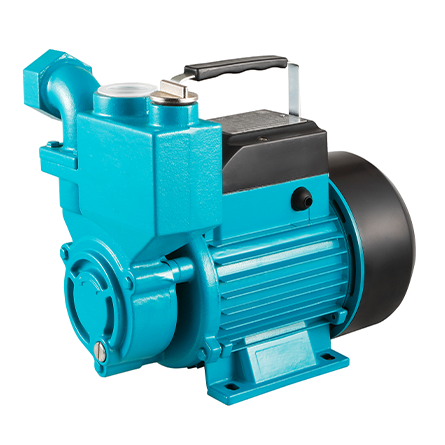
2026/09/08
Discover efficient domestic water pump solutions by Flyaway. Improve residential water pressure, ensure steady flow, and optimize home utility today.
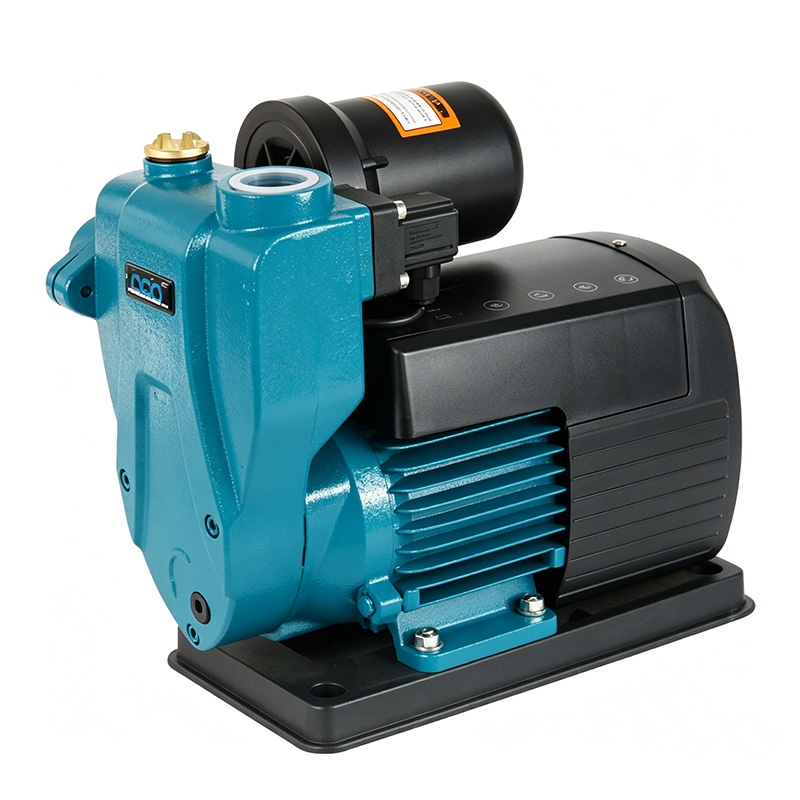
2026/09/08
Discover key benefits of using self priming pumps for industrial fluid transfer. Learn how Flyaway solutions improve efficiency and reduce maintenance costs.
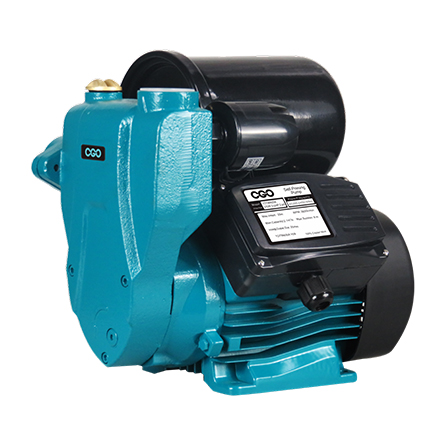
2026/09/08
Discover how to choose the right constant pressure water pump with VFD. Learn key hydraulic parameters, energy-saving benefits, and expert tips by Flyaway.
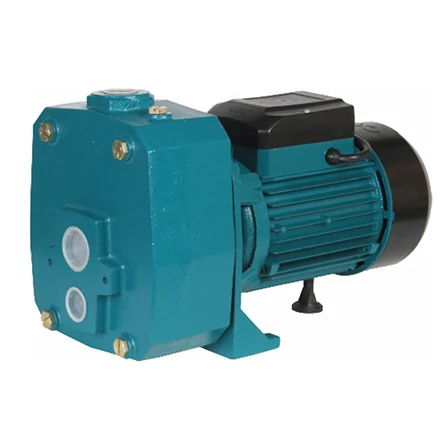
2026/09/08
Discover what a jet pump is and its key uses in residential water supply, agricultural irrigation, and deep well extraction. Learn more with Flyaway.
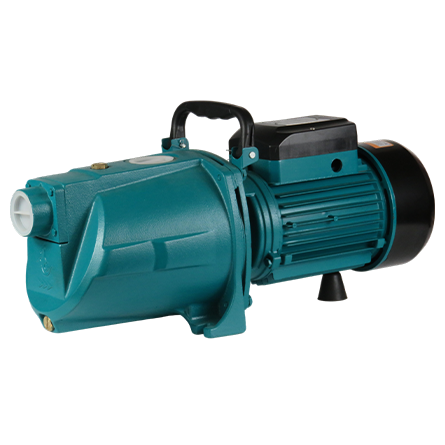
2026/09/08
Discover why high-performance agri pumps are essential for modern crop irrigation systems. Learn expert selection tips and boost farm efficiency
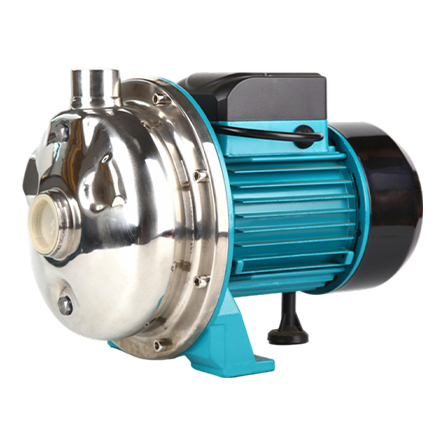
2026/09/08
Discover expert tips on choosing the right clean water pump for your facility. Learn about flow rates, motor specs, and maintenance with Flyaway.
