 EN
EN
Domestic Water Pump Solutions for Homes
2026/09/08
Discover efficient domestic water pump solutions by Flyaway. Improve residential water pressure, ensure steady flow, and optimize home utility today.

2026/09/01
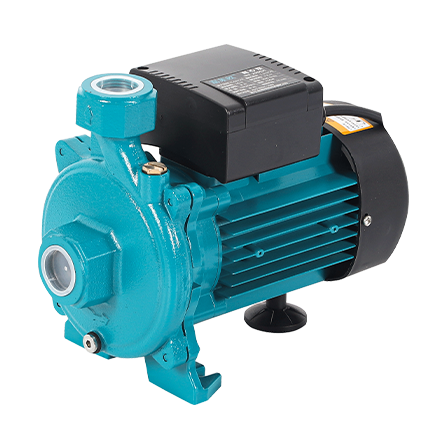
Living or working in a high-rise building comes with incredible architectural views, but it also frequently introduces a frustrating daily inconvenience: inadequate water flow. When gravity pulls water downward and friction resists upward movement through long vertical plumbing lines, upper floors often experience weak showers, slow-filling sinks, and sputtering faucets. Addressing this issue requires a deep understanding of hydraulic engineering and the right mechanical equipment to ensure consistent delivery. At Flyaway, we have encountered numerous commercial and residential properties struggling with this exact dilemma across diverse urban landscapes. Through hands-on site evaluations and systematic troubleshooting, we know that solving high-rise pressure deficits is not just about raw power; it is about engineering precision, proper system sizing, and selecting a reliable Water Pump for Low Water Pressure that perfectly matches the specific dynamic head and continuous flow requirements of the structure.
To effectively fix low water pressure, property managers and engineers must first understand the underlying physics governing vertical fluid dynamics. Water weighs approximately 8.34 pounds per gallon, and every vertical foot of elevation creates a static pressure loss of roughly 0.433 psi. By the time water travels up ten, twenty, or fifty stories, natural gravity has sapped most of the municipal supply pressure. Furthermore, simultaneous usage during peak hours—such as early mornings or evenings—creates heavy friction losses along the internal pipe walls. In our professional engineering practice at Flyaway, we analyze these variables meticulously before recommending any hardware configurations. Installing a standard residential booster pump is rarely enough for large multi-story complexes; instead, multi-stage centrifugal systems or booster packages are engineered specifically as a robust Water Pump for Low Water Pressure solution to overcome these massive elevation and friction hurdles without causing pipe hammer or excessive electrical energy consumption.
Choosing the optimal equipment involves evaluating several critical performance metrics rather than guessing based on building height alone. When consulting with building owners and facility operators, our specialists at Flyaway always emphasize calculating total dynamic head, maximum flow rate, and peak demand factors accurately. A poorly matched pump will either fail to reach the top floors or operate inefficiently, leading to premature mechanical wear and fluctuating pressure spikes for residents. A high-performance Water Pump for Low Water Pressure must integrate smart digital controls, robust multi-stage impellers, and corrosion-resistant stainless steel materials capable of handling continuous duty cycles. By referencing standardized pump performance curves, facility managers can match the operational sweet spot to the actual daily consumption profile of the building, ensuring stable, reliable water delivery across every single floor from the ground level to the penthouse.
Modern high-rise plumbing demands smart engineering that adapts dynamically to changing consumption patterns throughout the day. Fixed-speed booster pumps often run at maximum capacity regardless of whether one tenant or fifty tenants are using water, resulting in wasted electricity and erratic pressure changes. At Flyaway, our technical evaluations consistently demonstrate that integrating advanced variable frequency drives transforms overall system efficiency. By modulating motor speeds in real-time based on actual water demand, a modern Water Pump for Low Water Pressure maintains constant discharge pressure regardless of fluctuations. This technological advancement not only eliminates water hammering and pressure shocks in delicate pipe networks but also significantly reduces electrical consumption, offering building operators a sustainable, highly cost-effective approach to long-term water resource management.
Implementing a successful pressure-boosting solution requires careful coordination between plumbing contractors and equipment manufacturers. Over years of field experience, Flyaway technicians have observed that improper check valve placement, inadequate pipe sizing on the suction side, or poor electrical grounding can drastically undermine system performance. When installing a Water Pump for Low Water Pressure, it is vital to incorporate vibration isolators, pressure relief valves, and intelligent controllers that modulate motor speed smoothly. This prevents sudden pressure surges that can damage aging building infrastructure while maintaining an even, comfortable flow at every tap. Transparent communication with building occupants regarding brief maintenance shutdowns and clear, straightforward operational guidelines also ensure smooth project execution from initial setup to final handover.
Even the most advanced water boosting hardware requires routine inspection to maintain peak efficiency throughout its operational lifecycle. Building management teams should establish a structured maintenance schedule that includes checking seal integrity, monitoring motor temperatures, inspecting electrical connections, and testing pressure sensor calibration. Flyaway advocates for a proactive approach, where minor anomalies are addressed before they escalate into disruptive system failures. By utilizing reliable data and maintaining transparent performance logs, facility operators can extend equipment lifespan and guarantee uninterrupted water service. Ultimately, investing in a properly engineered Water Pump for Low Water Pressure paired with consistent maintenance safeguards property value, enhances tenant satisfaction, and delivers sustainable, long-term performance for any tall building structure.
2026/09/08
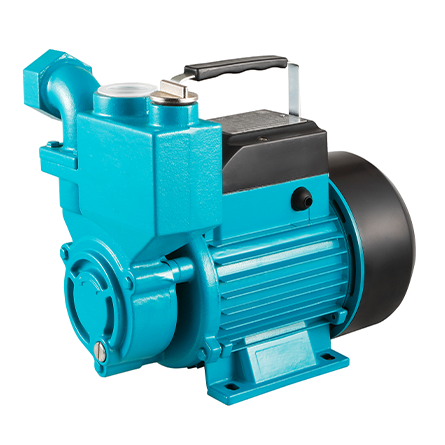
Discover efficient domestic water pump solutions by Flyaway. Improve residential water pressure, ensure steady flow, and optimize home utility today.
2026/09/08
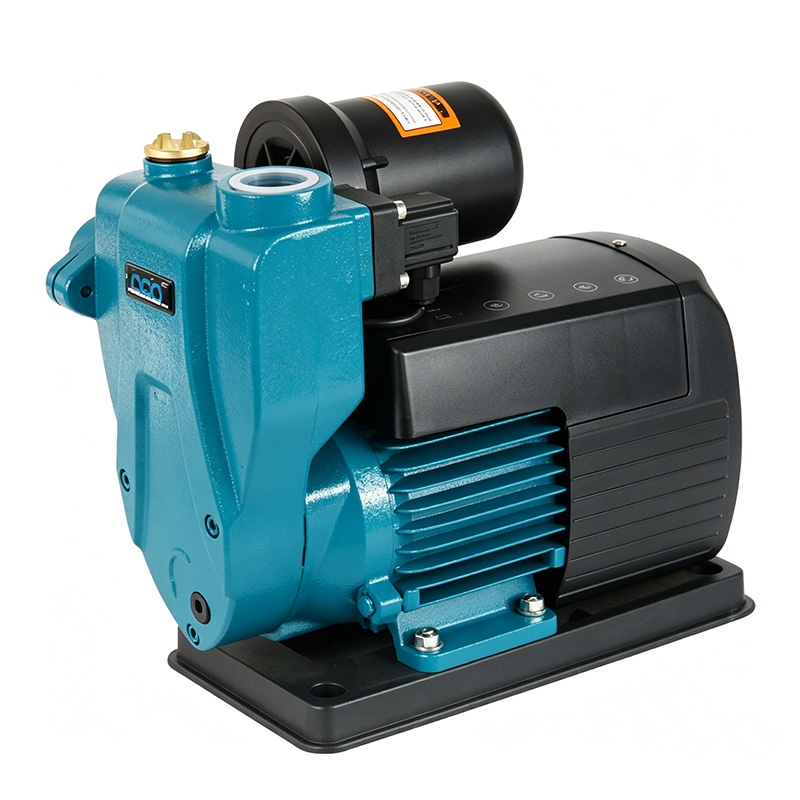
Discover key benefits of using self priming pumps for industrial fluid transfer. Learn how Flyaway solutions improve efficiency and reduce maintenance costs.
2026/09/08
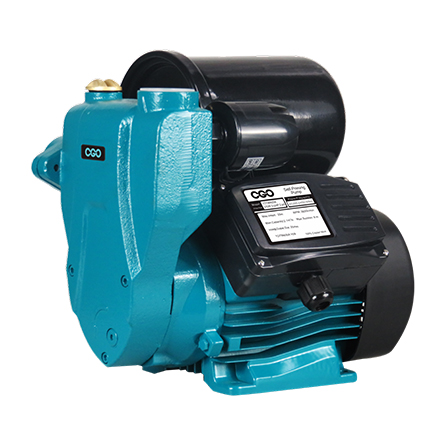
Discover how to choose the right constant pressure water pump with VFD. Learn key hydraulic parameters, energy-saving benefits, and expert tips by Flyaway.
2026/09/08
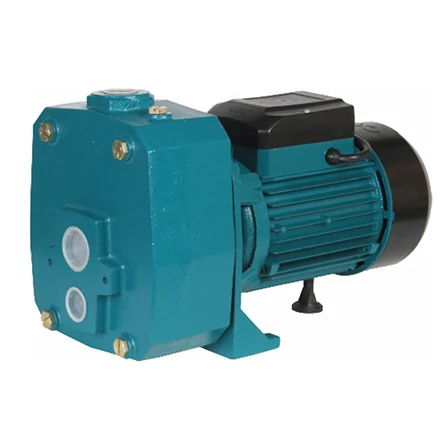
Discover what a jet pump is and its key uses in residential water supply, agricultural irrigation, and deep well extraction. Learn more with Flyaway.
2026/09/08
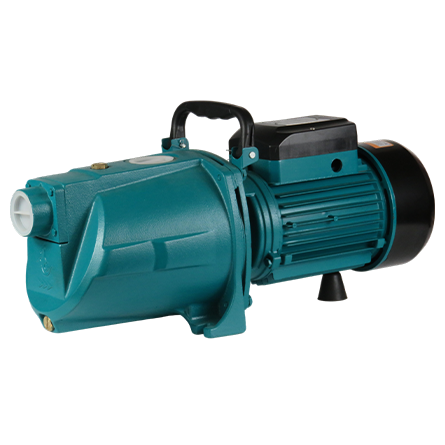
Discover why high-performance agri pumps are essential for modern crop irrigation systems. Learn expert selection tips and boost farm efficiency
2026/09/08
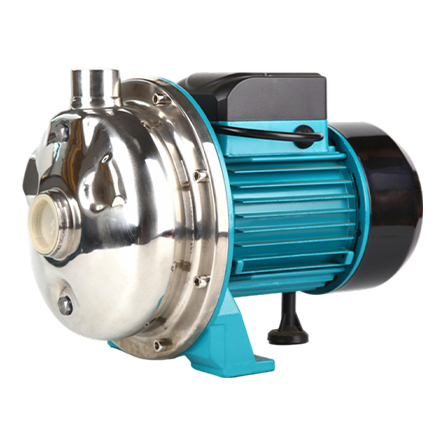
Discover expert tips on choosing the right clean water pump for your facility. Learn about flow rates, motor specs, and maintenance with Flyaway.
