 EN
EN
Domestic Water Pump Solutions for Homes
2026/09/08
Discover efficient domestic water pump solutions by Flyaway. Improve residential water pressure, ensure steady flow, and optimize home utility today.

2026/08/20
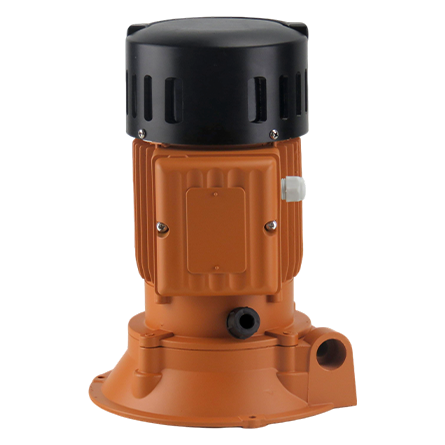
Over my fifteen years working as an industrial surface restoration specialist and commercial equipment technician, I have operated and serviced countless high-pressure cleaning systems across diverse job sites. Understanding what a power wash water pump is and how it operates forms the essential starting point for any successful high-pressure washing setup. In fundamental mechanical terms, a specialized power wash water pump acts as the core hydraulic engine that converts rotational mechanical energy into high-velocity fluid dynamic force, dramatically accelerating water flow through restrictive nozzles to strip away stubborn grime, industrial grease, algae, and heavy oxidation from hard surfaces. During a recent extensive restoration project for a multi-story commercial parking garage with deep oil staining, integrating a dedicated booster pump directly into our primary supply line stabilized the inlet water feed, completely eliminated supply pressure drops, and prevented destructive pump cavitation during six hours of uninterrupted duty. Whether you are building a custom mobile pressure washing trailer, upgrading an existing residential cleaning setup, or specifying an automated exterior surface cleaning network for commercial facilities, selecting a properly engineered power wash water pump ensures optimal impact pressure, reliable water delivery, and long-term mechanical protection for your investment.
To properly evaluate and select a high-performance power wash water pump, you must analyze precise technical specifications and hydraulic engineering data rather than relying on vague marketing claims or generic power ratings. Hydraulic output relies primarily on two fundamental parameters: total dynamic head, which measures the vertical pressure lift capacity, and volumetric flow rate, expressed in cubic meters per hour (m³/h) or liters per minute. For high-pressure boosting, surface washing, and steady water supply duties, CGO Pump specifically engineers heavy-duty peripheral and centrifugal series across motor power ratings ranging from 0.37 kW (0.5 HP) up to 1.5 kW (2.0 HP). Key engineering specifications across these high-efficiency models include maximum head values reaching up to 60 meters and flow rates delivering between 1.8 m³/h and 6.0 m³/h. Furthermore, physical material construction directly dictates daily operational longevity: selecting a power wash water pump built with a heavy-duty cast iron hydraulic pump body, a precision-machined brass impeller, an aluminum alloy motor housing, and a stainless steel rotor shaft prevents internal corrosion and premature mechanical wear. Equipping these units with IP44 ingress protection, Class B thermal insulation, a built-in automatic thermal overload protector, and an S1 continuous work duty rating ensures stable, continuous operation under heavy cleaning cycles without risk of motor overheating.
According to technical industry standards published by the Pressure Washers Manufacturers Association and leading academic hydraulic engineering research, feed supply stability directly determines the operational lifespan and cleaning performance of high-pressure equipment. When deploying an external power wash water pump, fluid dynamics experts emphasize that insufficient inlet water volume or air infiltration creates severe pressure surges and destructive cavitation bubbles that erode internal impellers and mechanical seals. Official technical parameters from CGO Pump demonstrate how maintaining clean water delivery at liquid temperatures up to 60 ℃ and operating within ambient environments up to 40 ℃ under standard 220V/50Hz electrical supplies protects delicate internal components. Adhering strictly to these recognized manufacturer guidelines, installing appropriate suction filtration, and following professional engineering protocols ensures that your high-pressure system maintains peak hydraulic force, satisfies rigorous site safety standards, and delivers consistent cleaning power across demanding residential, agricultural, and commercial surface projects.
Exploring the versatile real-world uses of a power wash water pump reveals why this equipment serves as an indispensable asset across domestic, agricultural, municipal, and industrial cleaning applications. In residential property maintenance, home builders and property managers rely on pressurized water delivery to wash down concrete driveways, restore weathered timber decks, clean exterior brick masonry, and remove moss from tile roofing. In agricultural environments, farm operators utilize high-pressure water streams to thoroughly sanitize livestock housing, wash down heavy harvesting machinery, and clean milk processing equipment quickly and hygienically. Commercial fleet operators and automated vehicle wash facilities integrate high-output booster pumps to supply rapid-rinse arches, ensuring fast mud removal without equipment stalling or pressure loss. Furthermore, in municipal sanitation work, robust pumps provide continuous hydraulic flow for street washing vehicles, public park monument maintenance, and graffiti removal equipment. Matching your specific cleaning application to a correctly rated pump prevents equipment overload, optimizes water consumption, and guarantees efficient surface cleaning.
Selecting, installing, and maintaining the ideal power wash water pump requires a structured, step-by-step practical process to ensure long-term reliability and safety. First, determine your total required operating pressure and flow volume by auditing the specifications of your washing nozzles, spray wands, and surface cleaners. Second, inspect your primary water source to confirm that static line pressure and pipe dimensions meet the pump's minimum suction inlet requirements, preventing starvation during peak cleaning operations. Third, during installation, always fit a high-capacity inlet strainer or suction filter to stop sand, rust flakes, or particulate debris from entering the impeller chamber and damaging internal tolerances. Finally, establish a regular routine for visual seal inspections, verify that internal thermal protection switches function properly, and ensure all electrical wiring complies with IP44 moisture protection guidelines. By carefully measuring site requirements, choosing durable cast iron hydraulic parts, and deploying a properly specified power wash water pump, you achieve superior surface cleaning performance, protect equipment integrity, and enjoy long-term operational peace of mind.
2026/09/08
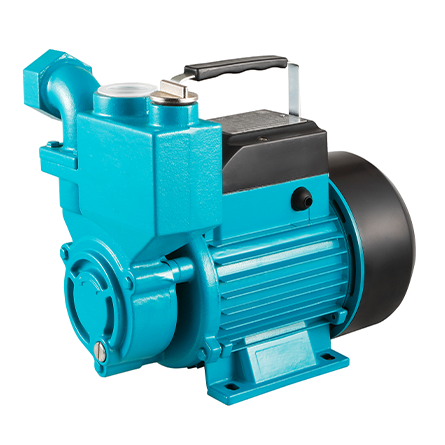
Discover efficient domestic water pump solutions by Flyaway. Improve residential water pressure, ensure steady flow, and optimize home utility today.
2026/09/08
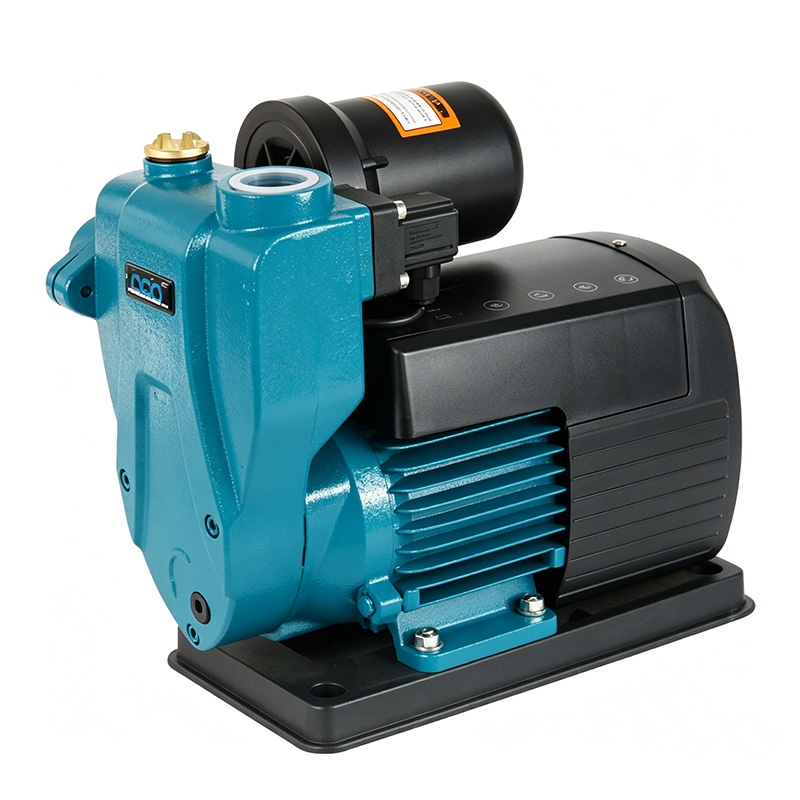
Discover key benefits of using self priming pumps for industrial fluid transfer. Learn how Flyaway solutions improve efficiency and reduce maintenance costs.
2026/09/08
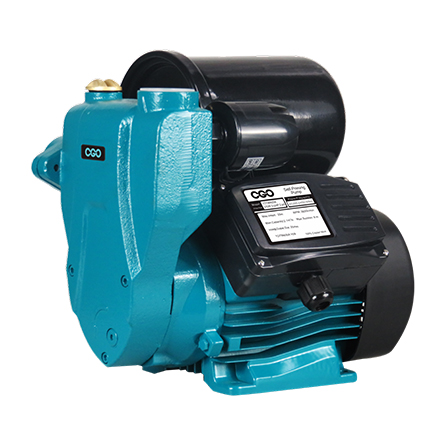
Discover how to choose the right constant pressure water pump with VFD. Learn key hydraulic parameters, energy-saving benefits, and expert tips by Flyaway.
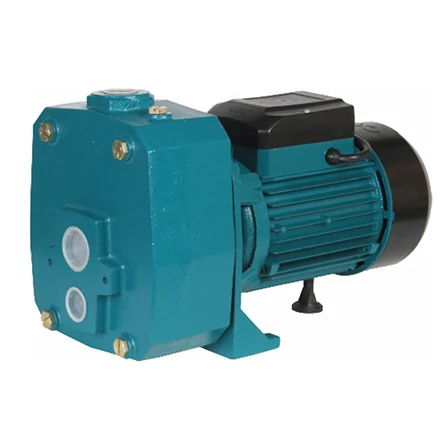
2026/09/08
Discover what a jet pump is and its key uses in residential water supply, agricultural irrigation, and deep well extraction. Learn more with Flyaway.
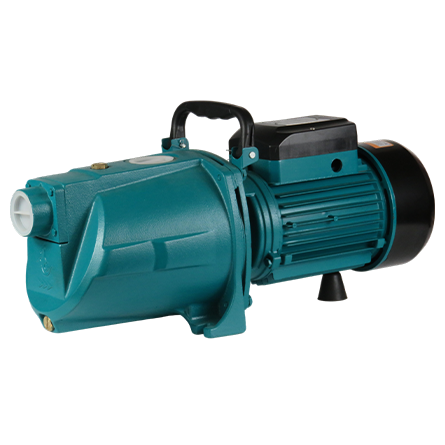
2026/09/08
Discover why high-performance agri pumps are essential for modern crop irrigation systems. Learn expert selection tips and boost farm efficiency
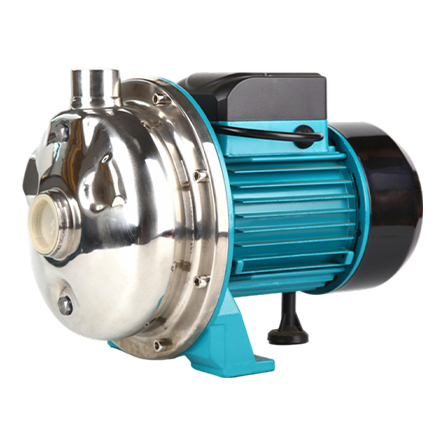
2026/09/08
Discover expert tips on choosing the right clean water pump for your facility. Learn about flow rates, motor specs, and maintenance with Flyaway.
