 EN
EN
Domestic Water Pump Solutions for Homes
2026/09/08
Discover efficient domestic water pump solutions by Flyaway. Improve residential water pressure, ensure steady flow, and optimize home utility today.

2026/08/26
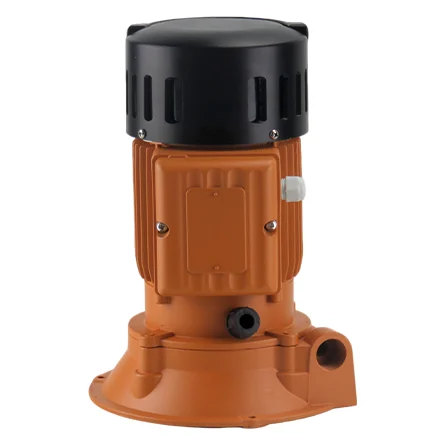
When exploring industrial fluid transport systems and mechanical engineering solutions across various global sectors, one frequently encounters a fundamental mechanical device designed to move liquids effectively through the conversion of rotational kinetic energy to the hydrodynamic energy of fluid flow. A centrifugal pump achieves this critical operational task by utilizing one or more rotating impellers enclosed within a specialized volute casing. As the impeller rotates at high speeds, it draws fluid into the center eye and accelerates it outward via centrifugal force toward the discharge nozzle. At Flyaway, our technical specialists and engineering teams often evaluate how this dynamic fluid action provides a steady, reliable flow rate suitable for handling low-viscosity liquids such as clean water, industrial wastewater, and light chemical solutions. Understanding what a centrifugal pump is used for requires looking closely at its versatile hydraulic performance, which carefully balances operating rotational speed, total discharge head, and volumetric capacity to meet diverse industrial demands without overcomplicating routine system maintenance or reducing overall operational efficiency.
One of the most critical and widespread applications for a centrifugal pump involves municipal water treatment facilities and urban distribution networks. Public utility operators and municipal engineers rely heavily on these robust units to transport large volumes of raw water from natural sources to treatment plants, and subsequently boost treated water pressure for city-wide residential and commercial distribution grids. Because modern municipal water systems demand continuous, uninterrupted operation around the clock, a well-engineered centrifugal pump delivers consistent pressure levels across varying elevations and long pipeline distances. Field technicians and maintenance operators appreciate how these machines handle high-capacity flows efficiently, minimizing hydraulic energy losses while maintaining full compliance with strict local civic safety standards. Whether feeding municipal booster stations or managing complex sewage and drainage networks, a standard centrifugal pump provides the dependable hydraulic backbone necessary to keep urban water cycles functioning smoothly every single day.
Within heavy manufacturing facilities, chemical processing plants, and production factories, a centrifugal pump serves as an indispensable tool for continuous fluid circulation, equipment cooling, and chemical transfer tasks. Industrial environments frequently require fluid systems that can handle continuous operational loops, such as supplying cooling water to heavy machinery, circulating heat transfer fluids, or transferring process liquids between production holding tanks. Plant operators select a centrifugal pump for these demanding environments because its non-positive displacement design allows for smooth, pulse-free fluid delivery. This steady flow characteristic prevents damaging pressure spikes that could otherwise fracture sensitive downstream piping infrastructure or harm delicate valves. By aligning specific impeller designs and corrosion-resistant casing materials with the exact chemical and thermal properties of the process fluid, engineering teams at Flyaway help ensure that each centrifugal pump operates safely, reliably, and efficiently within demanding industrial parameters over extended service lifecycles.
Agricultural productivity and food security depend heavily on efficient, reliable water management, making the centrifugal pump a staple in modern farming operations worldwide. Farmers, agronomists, and irrigation specialists utilize a high-capacity centrifugal pump to draw irrigation water from deep groundwater wells, rivers, or agricultural storage reservoirs and distribute it evenly across extensive crop fields through overhead sprinkler systems or modern drip irrigation networks. The ability of a centrifugal pump to move substantial volumes of water against moderate discharge heads makes it ideal for flood irrigation and center-pivot systems alike. Furthermore, agricultural setups benefit greatly from the mechanical simplicity of these pumps, which typically feature fewer moving parts compared to reciprocating or positive displacement alternatives. This structural simplicity translates directly to easier field maintenance and highly reliable performance during peak growing seasons when consistent, uninterrupted water delivery is absolutely crucial for crop survival and maximum harvest yields.
Modern commercial real estate properties, healthcare facilities, hospitals, and large corporate building complexes rely extensively on closed-loop fluid systems for heating, ventilation, and air conditioning (HVAC). In these complex installations, a specialized centrifugal pump is deployed to circulate chilled water through extensive networks of pipes and central air handlers or hot water through closed-loop heating boilers. This continuous forced circulation maintains stable indoor climate control across multi-story office buildings, hospitality venues, and large public institutional facilities. Building engineers consistently prefer a centrifugal pump for HVAC applications due to its compact spatial footprint, high operational reliability, and ability to integrate smoothly with variable frequency drives (VFDs) for optimized electrical energy consumption. By adjusting motor operating speeds to match actual thermal building loads, a modern centrifugal pump helps facility managers reduce long-term operational overhead while ensuring comfortable indoor environments for all building occupants.
Selecting the appropriate fluid handling equipment for specific commercial or industrial projects requires careful, systematic evaluation of key operational parameters such as required flow rate, total dynamic head, liquid viscosity, and Net Positive Suction Head Available (NPSHA). At Flyaway, our experienced technical team emphasizes matching these specific engineering requirements rather than relying on generalized assumptions or oversized equipment selections. A properly specified centrifugal pump will operate near its optimal Best Efficiency Point (BEP), ensuring maximum hydraulic performance and extended mechanical service life. By understanding the diverse use cases—ranging from municipal water grids and heavy industrial processing to agricultural irrigation and commercial HVAC—engineers and facility operators can harness the full potential of a centrifugal pump to maintain efficient, reliable fluid transfer systems across all demanding operational environments.
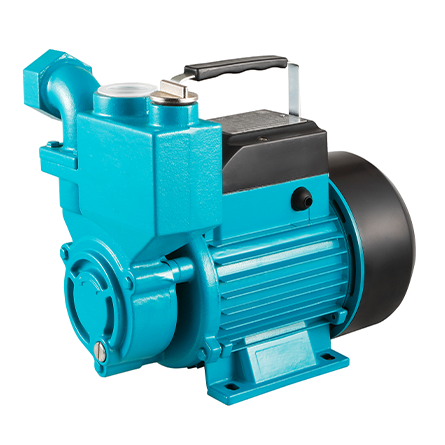
2026/09/08
Discover efficient domestic water pump solutions by Flyaway. Improve residential water pressure, ensure steady flow, and optimize home utility today.
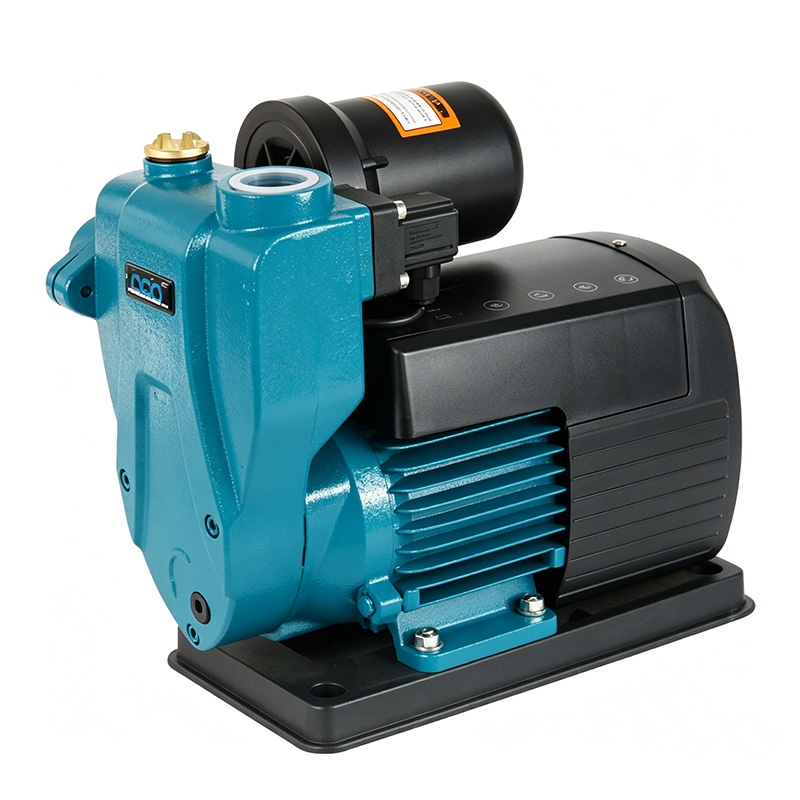
2026/09/08
Discover key benefits of using self priming pumps for industrial fluid transfer. Learn how Flyaway solutions improve efficiency and reduce maintenance costs.
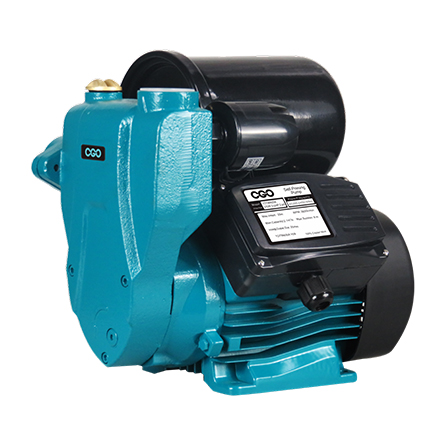
2026/09/08
Discover how to choose the right constant pressure water pump with VFD. Learn key hydraulic parameters, energy-saving benefits, and expert tips by Flyaway.
2026/09/08
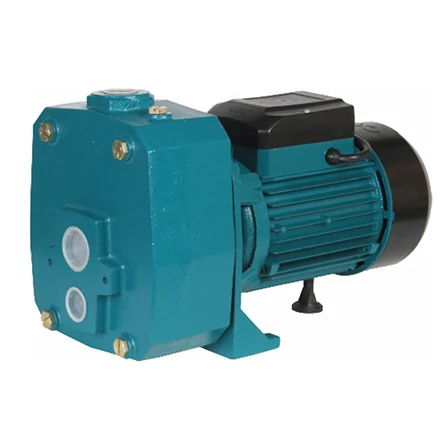
Discover what a jet pump is and its key uses in residential water supply, agricultural irrigation, and deep well extraction. Learn more with Flyaway.
2026/09/08
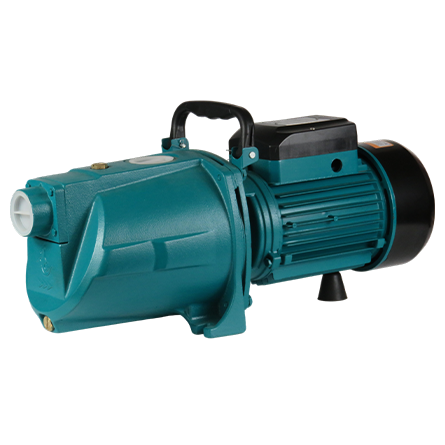
Discover why high-performance agri pumps are essential for modern crop irrigation systems. Learn expert selection tips and boost farm efficiency
2026/09/08
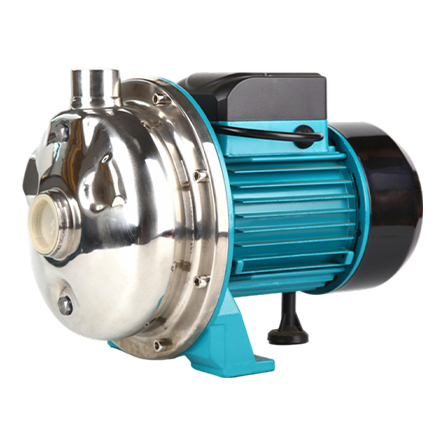
Discover expert tips on choosing the right clean water pump for your facility. Learn about flow rates, motor specs, and maintenance with Flyaway.
