 EN
EN
Domestic Water Pump Solutions for Homes
2026/09/08
Discover efficient domestic water pump solutions by Flyaway. Improve residential water pressure, ensure steady flow, and optimize home utility today.

2026/08/26
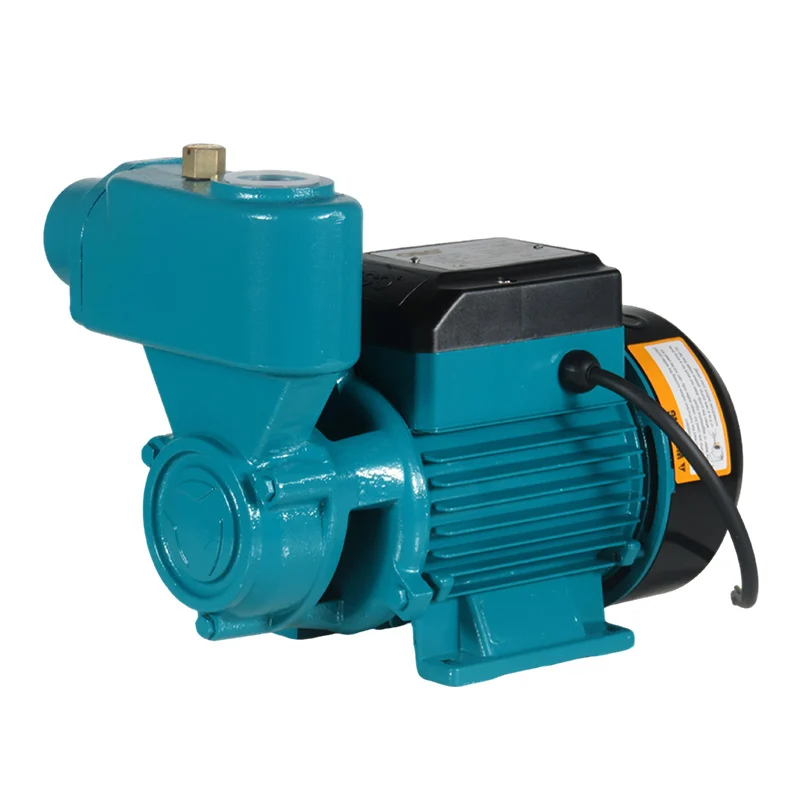
Low water pressure is a common frustration that turns a relaxing daily routine into an annoying experience. When you step into the bathroom, a weak trickle instead of a steady, invigorating stream makes rinsing shampoo difficult and ruins the overall shower experience. At Flyaway, our plumbing engineering team has analyzed numerous residential water supply setups, and we find that pressure drops often stem from municipal supply limits, elevated bathroom locations relative to water heaters, or simultaneous water usage across multiple household appliances. Installing a reliable shower water pump provides a direct and efficient mechanical solution to boost flow rates. Unlike complex whole-house pressure tanks, a dedicated shower water pump focuses specifically on elevating pressure right at the point of use, ensuring steady performance without overloading existing residential pipe networks. Through practical field installations, technicians have observed that boosting localized pressure improves flow consistency by up to 50 percent in multi-story residences. Homeowners must evaluate their baseline flow rate before selecting a pump model to ensure compatibility with their plumbing layout. Proper sizing prevents motor burnout and guarantees smooth, quiet operation during peak morning and evening usage hours.
To appreciate the value of a shower water pump, it helps to understand the internal engineering and operational mechanics behind these devices. Most modern booster units utilize centrifugal pump technology, where an internal impeller spins rapidly to convert rotational kinetic energy into hydrodynamic energy, thereby increasing water velocity and pressure. When you turn on the faucet, flow sensors or pressure switches automatically detect the water movement and trigger the motor instantly. This on-demand activation ensures energy efficiency, as the pump runs only when water is actively flowing through the system. At Flyaway, our technical evaluations emphasize the importance of choosing between peripheral impeller designs and multi-stage centrifugal designs depending on your specific head requirements. A quality shower water pump operates with minimal noise and vibration, often featuring brass or stainless steel internal components to resist corrosion and mineral buildup from hard water. Furthermore, built-in dry-run protection mechanisms automatically shut down the motor if the water supply is interrupted, protecting the internal seals from thermal damage. Understanding these mechanical safeguards helps homeowners maintain their equipment and prolong the operational lifespan of the unit significantly.
Choosing the right equipment requires careful consideration of several technical parameters, including maximum head pressure, flow rate capacity, and voltage compatibility. A common mistake homeowners make is purchasing an oversized shower water pump that creates excessive pressure, potentially causing pipe joints to leak or faucets to wear out prematurely. Conversely, an undersized pump fails to deliver the desired force, leaving your shower experience unimproved. Technical specifications usually indicate maximum flow in liters per minute and maximum lift height in meters, allowing you to match the unit precisely to your home's vertical distance from the water source. Flyaway engineering guidelines recommend calculating the exact static head and frictional losses in your pipes before making a purchase. Additionally, consider whether you need an automatic flow switch model or a manual switch unit; automatic models offer hands-free convenience by activating the moment water pressure drops. Noise level ratings, measured in decibels, are another crucial factor for indoor residential installations, ensuring that bathroom tranquility remains undisturbed while the booster operates efficiently in the background.
Proper installation is the cornerstone of reliable performance and safety when integrating a shower water pump into your household plumbing system. Before beginning any installation work, always shut off the main water supply and drain the remaining water from the pipes to prevent accidental flooding or water damage. Mount the shower water pump on a stable, vibration-dampening surface, preferably secured to a solid wall or floor bracket to minimize mechanical humming. Connect the inlet and outlet pipes using appropriate threaded fittings, ensuring that rubber washers or PTFE plumber's tape are applied correctly to create a watertight seal. Technicians at Flyaway advise paying close attention to the directional arrows marked on the pump housing to ensure water flows in the correct orientation. Once connected, bleed the system by opening the nearest faucet to release trapped air pockets before plugging the unit into a properly grounded electrical outlet. Running the pump with trapped air can cause cavitation, damaging the internal impeller and reducing overall efficiency. Regular post-installation inspection of valves and connections ensures long-term reliability and prevents minor leaks from escalating into costly repairs.
Maintaining your equipment guarantees consistent performance and extends the working life of your shower water pump significantly. Routine maintenance involves checking inlet strainers and filters every few months to remove sediment, rust particles, or mineral scale deposits that accumulate over time from municipal water supplies. If you live in an area with hard water, descaling the system periodically prevents internal blockages that restrict water flow and strain the motor. Flyaway quality assurance standards recommend inspecting electrical wiring and plug connections annually for signs of wear, moisture exposure, or corrosion. Listening closely to the operational sound of the shower water pump can also help you detect early warning signs, such as unusual rattling or humming, which indicate loose mounting brackets or worn bearings. If the unit remains unused for extended periods, such as during a vacation, draining the pump housing prevents stagnant water from breeding bacteria or causing internal corrosion. By adhering to these proactive maintenance protocols, homeowners can enjoy reliable water pressure and a refreshing shower experience year after year without unexpected mechanical failures.
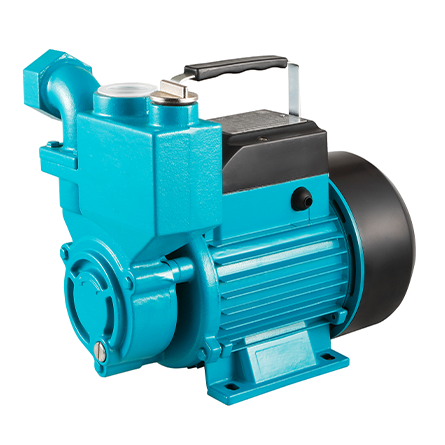
2026/09/08
Discover efficient domestic water pump solutions by Flyaway. Improve residential water pressure, ensure steady flow, and optimize home utility today.
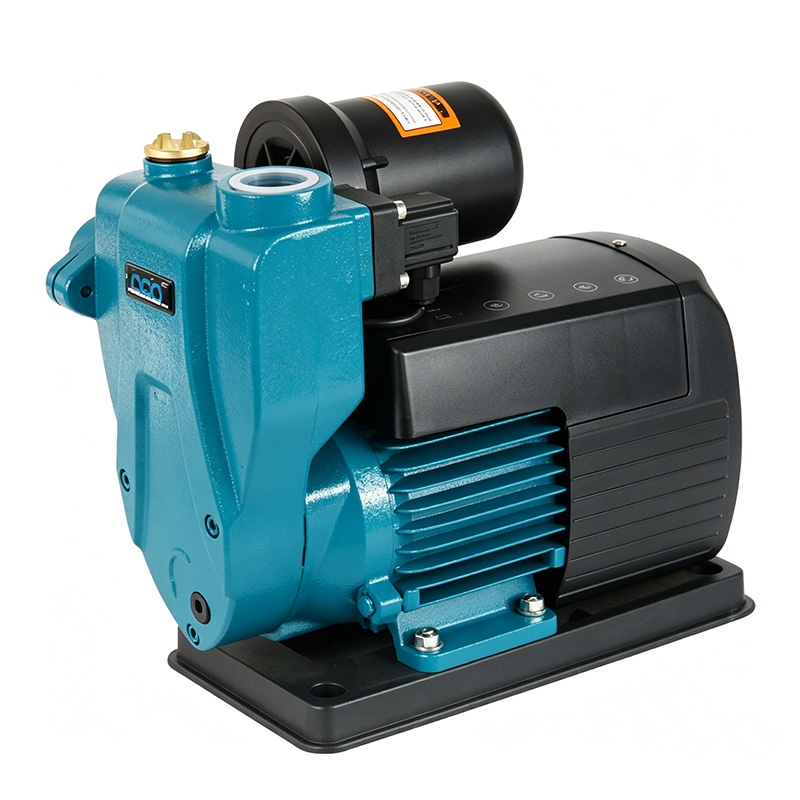
2026/09/08
Discover key benefits of using self priming pumps for industrial fluid transfer. Learn how Flyaway solutions improve efficiency and reduce maintenance costs.
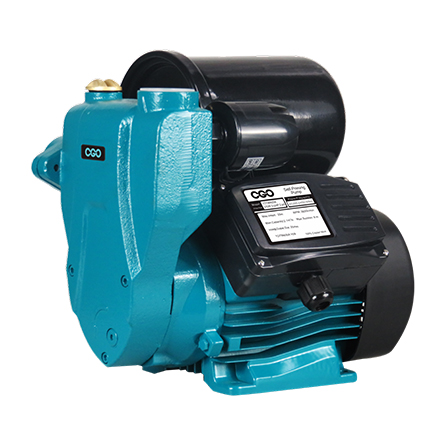
2026/09/08
Discover how to choose the right constant pressure water pump with VFD. Learn key hydraulic parameters, energy-saving benefits, and expert tips by Flyaway.
2026/09/08
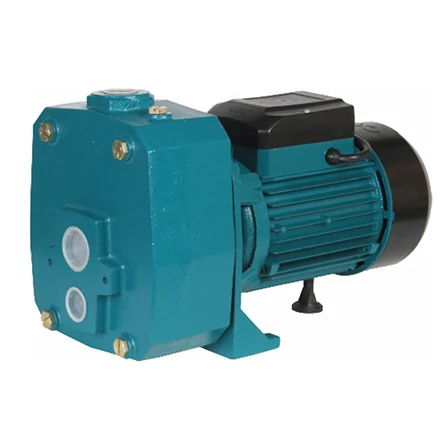
Discover what a jet pump is and its key uses in residential water supply, agricultural irrigation, and deep well extraction. Learn more with Flyaway.
2026/09/08
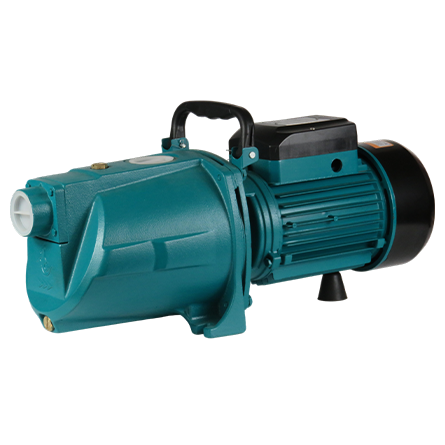
Discover why high-performance agri pumps are essential for modern crop irrigation systems. Learn expert selection tips and boost farm efficiency
2026/09/08
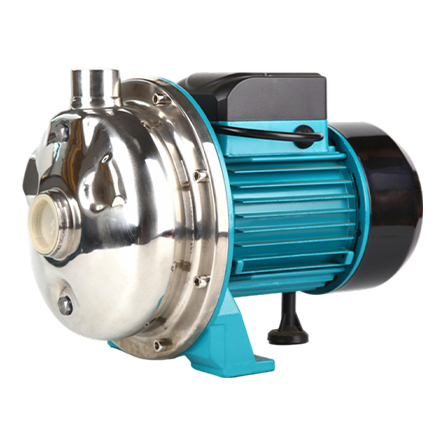
Discover expert tips on choosing the right clean water pump for your facility. Learn about flow rates, motor specs, and maintenance with Flyaway.
