
 EN
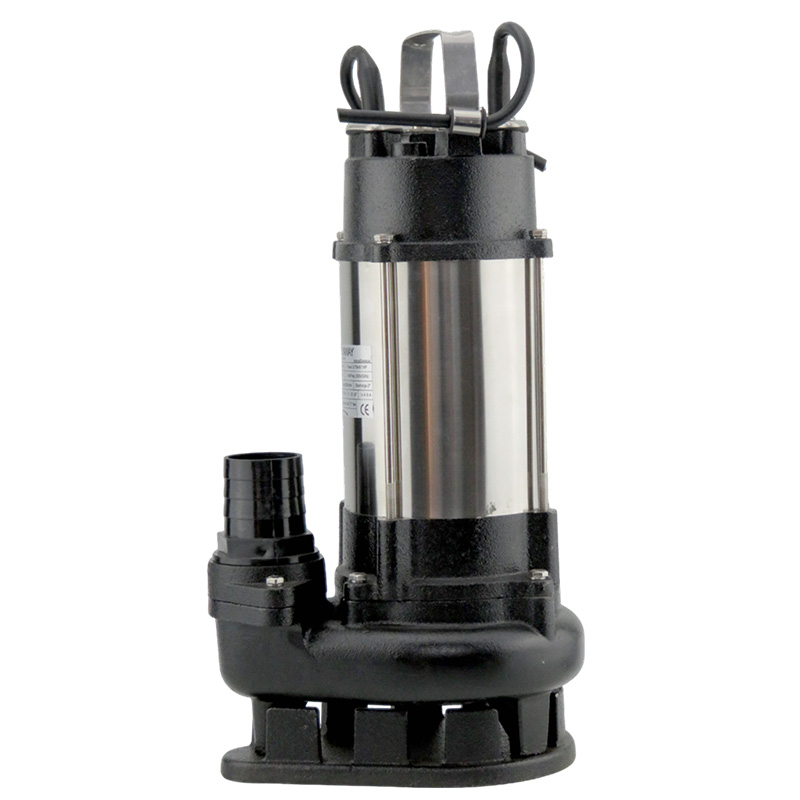
Solutiones Pumparum Submersibilium pro Puteis: Directivum Completum de Electione
Cum puteus profundus aquam ex subterranis dependabiliter elevare debet, pumpa submersibilis fere semper est solutio optima. Pro distributoribus universalibus, contractuariis agricolarum et planificatoribus operum, quaestio maxime critica numquam simpliciter est de electione fortitudinis motoris ad libitum. Potius, successus pendet ab eo, utrum pumpa electa exacte conveniat diametro foraminis, altitudini aquae in puteo, altitudini effluentis, fluxui aquae postulato, suppeditationi locali energiae et qualitati aquae in loco.
Quia tam motor quam hydraulicae pumpae sub aqua plene operantur, bene electa pompa submersibilis limites suctionis molestos effugit, qui saepe machinas superfaciem montatas vexant. Haec constructio solutionem ad levandum aquam mirabiliter compactam et efficacem creat pro irrigatione cultorum, potatione pecudum, replectione cisternarum, et suppeditatione domorum remotarum—modo punctum operis correcte ab initio calculatum sit.
Incipe a Dynamica Putri, Non ab Etichetta Motoris
Collecting complete field data before comparing submersible pump options is essential. A quotation based only on an arbitrary motor size can easily overlook subtle underground conditions that determine whether water actually reaches the end outlet with sufficient pressure. Always gather specific data points, including borehole diameter, total drilled depth, static water level, pumping water level, target flow rate, discharge pipe dimensions, total elevation, and available electrical parameters.
-
Borehole Diameter: Determines the maximum outer diameter limits of the pump unit and drop cable assembly.
-
Pumping Water Level: Far more critical than total drilled depth, because the water table naturally drops while the pump operates.
-
Required Flow Rate: Should reflect actual peak demands, such as simultaneous irrigation zones or specific tank refill times.
-
Outlet Pressure Requirements: Essential for operating sprinklers, drip emitters, filtration systems, or elevated storage headers.
-
Power Supply Stability: Confirms local voltage, frequency, phase options, and the need for surge protection.
Deep-well installations typically require a multi-stage submersible pump to build up enough head pressure, whereas shallow wells with massive flow demands call for an entirely different hydraulic profile. Treating these distinct scenarios as identical leads to disappointing flow rates, excessive power consumption, and premature mechanical wear.
Calculating Total Dynamic Head Before Selection
Total dynamic head (TDH) serves as the true working target for any submersible pump installation. Put simply, TDH combines the vertical lift from the active pumping water level up to the delivery point, the operational pressure needed at the outlet, and friction losses across the entire pipeline, fittings, check valves, and filters. It represents much more than just the static well depth written on a drilling contractor's report.
For example, a pump pushing water from a borehole into an elevated storage tank must overcome the dynamic water level, the tank height, and friction resistance along the discharge line. A pump feeding drip irrigation must also maintain enough residual pressure past pipe losses to power the emitters correctly. Ensuring that the final duty point sits comfortably on the manufacturer's performance curve—rather than pushing extreme limits—guarantees stable, long-term operation.
Matching Material Construction to Water Quality
Water chemistry heavily influences the operational lifespan of any submersible pump. Clean groundwater, mineral-laden well water, and water carrying abrasive sand place drastically different physical stresses on impellers, diffusers, mechanical seals, and sleeve bearings. Requesting a professional water analysis beforehand helps identify turbidity, high salinity, extreme temperatures, and chemical treatments.
Sand is a major factor in underground well applications. Abrasive particles accelerate wear rapidly if the pump hangs too close to the well bottom or if the borehole lacks proper gravel packing and development. Corrosive or hard water demands specialized wetted materials to prevent premature failure. Verifying these material choices against manufacturer specifications prevents costly field replacements down the road.
Designing the Installation as a Complete System
A reliable submersible pump setup extends far beyond the pump itself. The drop pipe, waterproof power cable, safety support rope, check valves, control boxes, dry-run protection sensors, and surge suppressors all dictate overall system durability. The final installation depth must keep the pump fully submerged during seasonal drawdowns while maintaining safe clearance above the well floor.
Using correctly sized power cables prevents dangerous voltage drops during motor startup. Installing an appropriate check valve arrangement minimizes destructive water hammer effects, while dry-run sensors protect the motor if the well yield fluctuates unexpectedly. Keeping detailed records of installation depths, operating current draws, and initial flow rates also simplifies future troubleshooting for service technicians.
Frequently Asked Questions About Submersible Well Pumps
How deep can a submersible pump be installed?
The ideal installation depth depends on the pump model, active pumping water level, well construction, and cable ratings. The unit must remain fully submerged during maximum drawdown and should never rest directly on the sediment at the bottom of the well.
When is a submersible pump the ideal choice?
Modelli submersi excellunt in puteis profundis quia aquam sursum impellunt e loco infra nivellem liquidam, ita limites suctionis evitantur. Optima electio tamen pendet ex congruentia inter fluxum, altitudinem, diametrum foraminis, vim electricam, et chemicam aquae.
Quae informationes necessariae sunt ad accuratam selectionem pumpae?
Ut certa recommendatio obtineatur, praebenda est diameter foraminis, niveles staticus et activus aquae, fluxus requiratus, altitudo distributionis, specificatio tuborum, pressio egressus, conditio aquae, et parametri electrici locales.
Excellentia in Fabricatione et Supportus Globalis cum Flyaway
Pro distributoribus internationalibus qui mercata agricola et ruralia supplent, clarae instructiones pro installatione et firma subsidia ante venditionem ad minimizandos evitabiles recursus iuvant. Flyaway cooperat cum distributoribus universalibus per CGO Pumps, offrens auxilium technicum peritum fundatum in veris datis operationis. Per congruentiam inter electionem pompae pro aqua, curvas hydraulicas, et configurationes electricas cum veris conditionibus loci, Flyaway adiuvat distributores ad praebendum solutiones aquarum fideles et de altissima efficientia, quae fiduciam mercati durabilem aedificant.






