 EN
EN
Domestic Water Pump Solutions for Homes
2026/09/08
Discover efficient domestic water pump solutions by Flyaway. Improve residential water pressure, ensure steady flow, and optimize home utility today.

2026/08/26
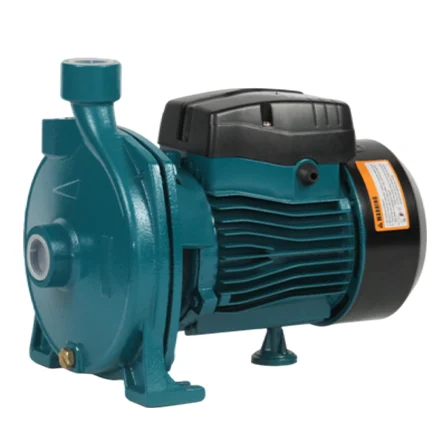
When planning efficient agricultural operations and sustainable crop production, one of the most vital equipment choices a farm manager faces is selecting the right irrigation pump for farm fields and crop irrigation networks. In modern farming, a reliable irrigation pump serves as the mechanical heartbeat of water resource management, ensuring that moisture is delivered precisely when and where crops need it most for optimal growth. Based on our practical field insights and engineering expertise at Flyaway, designing an effective agricultural watering system requires a clear understanding of water source dynamics—whether drawing from deep groundwater wells, natural rivers, or agricultural storage reservoirs. By carefully evaluating total dynamic head, flow capacity, and seasonal water demands, agricultural producers can deploy an efficient irrigation pump to maintain steady water pressure across extensive acreage. This fundamental equipment alignment prevents crop moisture stress, maximizes harvest yields, and ensures long-term operational productivity without overcomplicating day-to-day farm management tasks.
Different agricultural configurations demand specific mechanical designs to deliver optimal hydraulic performance under rigorous field conditions. For instance, centrifugal and submersible variants of an irrigation pump are widely utilized across the industry, depending on whether water is being lifted from open surface sources or pumped from deep underground aquifers. When configuring an irrigation pump for center-pivot systems, travel sprinklers, or high-pressure drip networks, agricultural engineers must analyze pump performance curves to match operating points accurately. At Flyaway, we emphasize that selecting an appropriately sized irrigation pump prevents excessive energy consumption and protects piping infrastructure from damaging water hammer or hydraulic cavitation. By choosing robust materials and reliable power sources, such as electric motors or dependable diesel engines, farms can maintain continuous fluid delivery throughout demanding growing seasons and harvest periods.
Energy expenditures represent a significant portion of operating costs for modern agricultural enterprises, making energy efficiency a top priority when installing an irrigation pump. Operating an inefficient or oversized irrigation pump can lead to soaring electricity or fuel bills, significantly reducing farm profitability over time. To optimize energy usage, farm managers and irrigation technicians evaluate system head losses, pipe friction, and flow velocities to ensure the chosen irrigation pump operates near its optimal Best Efficiency Point (BEP). Furthermore, integrating variable frequency drives (VFDs) with a modern irrigation pump allows operators to adjust motor speeds dynamically in response to changing field water demands. This precise control minimizes unnecessary power consumption, reduces mechanical wear on internal components, and lowers overall utility expenditures for agricultural businesses over extended operating cycles.
Agricultural environments are notoriously harsh, exposing machinery to dust, moisture, temperature extremes, and continuous heavy-duty operation during peak agricultural cycles. Therefore, structural durability and mechanical reliability are non-negotiable traits of a high-quality irrigation pump. At Flyaway, our engineering approach focuses on utilizing corrosion-resistant casing materials, heavy-duty bearings, and robust mechanical seals to protect internal components from premature wear and chemical degradation. A dependable irrigation pump must withstand long hours of continuous operation without unexpected breakdowns that could jeopardize sensitive crops during critical growth phases. Routine maintenance checks—such as monitoring bearing temperatures, inspecting seal integrity, and cleaning intake strainers—further ensure that an operating irrigation pump delivers consistent, trouble-free performance year after year across diverse farming operations.
The rapid advancement of agricultural technology has transformed how farm managers monitor and control their fluid delivery networks. Modern automated farming setups now incorporate smart sensors, soil moisture monitors, and remote telemetry units to optimize when and how an irrigation pump activates. By connecting an automated irrigation pump to centralized control systems or smartphone applications, operators can schedule watering cycles during off-peak energy hours or adjust flow rates based on real-time weather forecasts. This technological integration not only conserves valuable water resources but also enhances overall crop health by preventing over-irrigation or under-irrigation. At Flyaway, we support agricultural clients in adopting smart, connected pumping solutions that elevate farm efficiency, reduce manual labor requirements, and promote sustainable environmental stewardship across modern agricultural enterprises.
Achieving sustainable and productive agricultural irrigation involves much more than just initial equipment installation; it requires strict adherence to proven operational best practices. Farmers and technicians should regularly monitor operating pressure gauges, check for unusual mechanical vibration or abnormal noise, and verify that the irrigation pump is receiving adequate Net Positive Suction Head Available (NPSHA) to prevent damaging hydraulic cavitation. Additionally, winterizing systems properly in colder regional climates prevents freezing damage to pump volutes, seals, and internal impellers. By partnering with knowledgeable equipment providers like Flyaway, agricultural operators receive expert technical guidance on comprehensive system troubleshooting, preventative maintenance routines, and correct replacement parts selection. Ultimately, a well-maintained irrigation pump remains an essential cornerstone of successful crop management, securing sustainable agricultural productivity and long-term economic stability for farm owners worldwide.
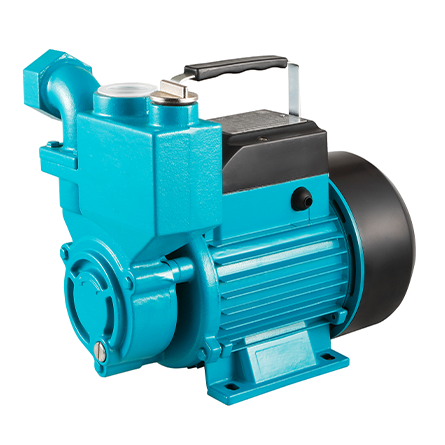
2026/09/08
Discover efficient domestic water pump solutions by Flyaway. Improve residential water pressure, ensure steady flow, and optimize home utility today.
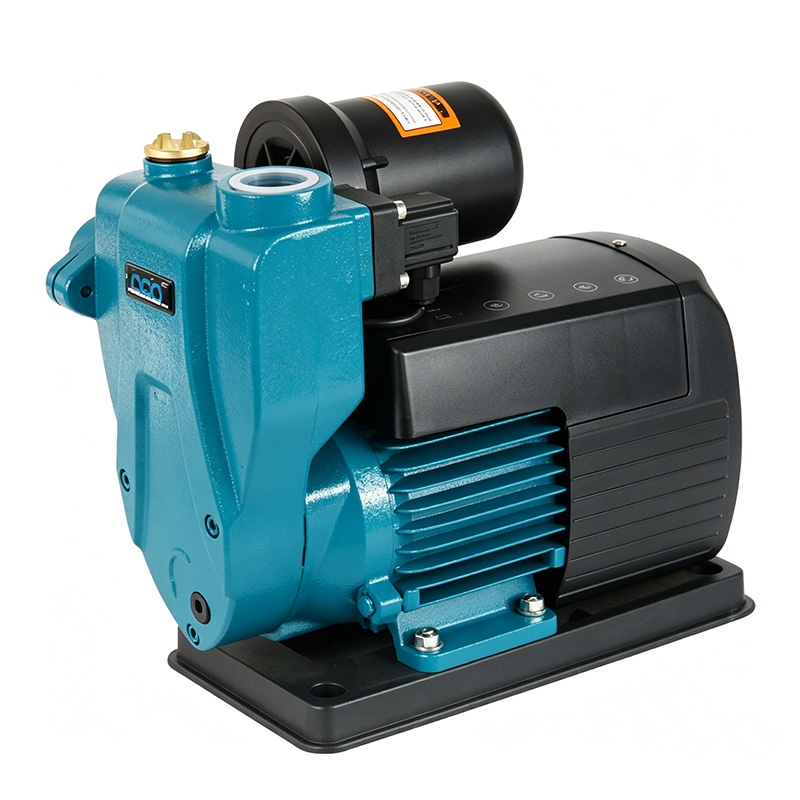
2026/09/08
Discover key benefits of using self priming pumps for industrial fluid transfer. Learn how Flyaway solutions improve efficiency and reduce maintenance costs.
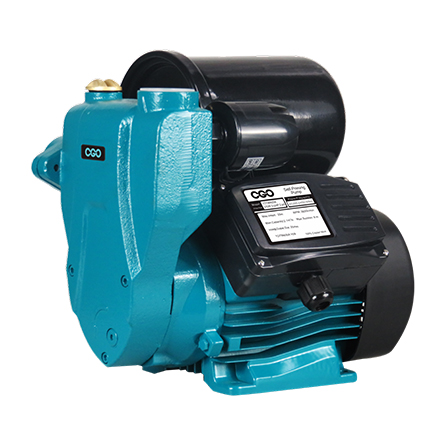
2026/09/08
Discover how to choose the right constant pressure water pump with VFD. Learn key hydraulic parameters, energy-saving benefits, and expert tips by Flyaway.
2026/09/08
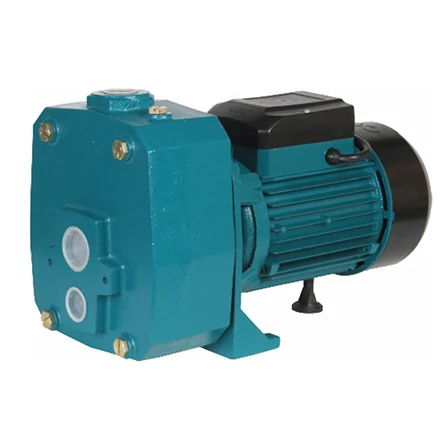
Discover what a jet pump is and its key uses in residential water supply, agricultural irrigation, and deep well extraction. Learn more with Flyaway.
2026/09/08
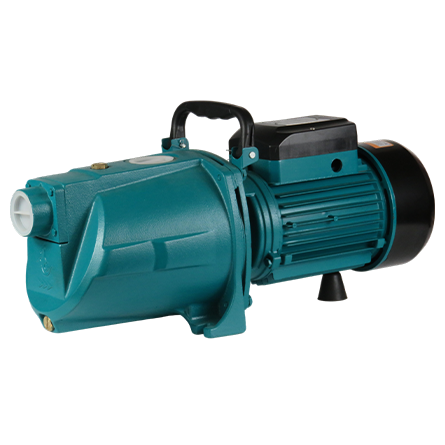
Discover why high-performance agri pumps are essential for modern crop irrigation systems. Learn expert selection tips and boost farm efficiency
2026/09/08
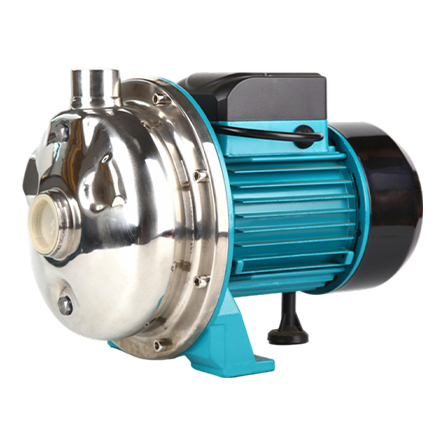
Discover expert tips on choosing the right clean water pump for your facility. Learn about flow rates, motor specs, and maintenance with Flyaway.
