 EN
EN
Domestic Water Pump Solutions for Homes
2026/09/08
Discover efficient domestic water pump solutions by Flyaway. Improve residential water pressure, ensure steady flow, and optimize home utility today.

2026/09/01
When engineers, plant operators, and facility managers undertake the critical task of industrial pump selection, a common temptation is to specify a larger model than calculations strictly require, often under the guise of an arbitrary safety factor. At WEITAI, our field engineering teams frequently observe that choosing an oversized unit introduces numerous operational inefficiencies rather than providing reliable system security. During professional pump selection, failing to match equipment capacity precisely to the actual system resistance curve means the pump will operate far away from its Best Efficiency Point (BEP). This deviation from optimal operating parameters leads directly to excessive radial thrust, increased mechanical vibration, and accelerated wear on bearings and mechanical seals. Industrial fluid systems demand rigorous precision, and carrying out pump selection based on guesswork or excessive safety margins ultimately undermines long-term mechanical reliability, increases maintenance downtime, and drives up lifecycle costs across continuous production facilities while creating persistent operational bottlenecks that negatively affect overall plant productivity, daily throughput, and long-term financial viability.
During proper pump selection, analyzing the intricate interaction between the system resistance curve and the pump performance curve is absolutely essential for maintaining stable hydraulic conditions. An oversized pump generates a head pressure significantly higher than what the piping network actually requires to transfer fluid effectively. To force the system to deliver the desired lower flow rate, operators frequently resort to throttling discharge valves or implementing bypass loops. This mechanical throttling action creates severe pressure drops, high fluid velocity, turbulence, and localized cavitation within the casing. Cavitation implosions erode impeller blades and volute walls, drastically shortening equipment lifespan. Furthermore, during accurate pump selection evaluations, experts recognize that unstable hydraulic dynamics make precise process control extremely difficult, resulting in constant operational fluctuations, pressure surges, and process instability in demanding industrial manufacturing environments.
Energy efficiency remains a paramount concern in modern industrial plants, making meticulous pump selection a critical financial and environmental decision. Oversized pumps consume substantially more electrical power than necessary because they operate continuously under throttled conditions or against unnecessary static head pressure. At WEITAI, our comprehensive energy audits consistently demonstrate that electric motors running far below their optimal load profile suffer from lower power factors and severe electrical energy waste. Over the operational lifecycle of an industrial facility, these inflated power expenditures accumulate into substantial financial losses. Prioritizing careful pump selection ensures that motor power consumption aligns precisely with actual fluid transfer demands, optimizing both daily operational budgets and corporate sustainability metrics without compromising system performance, reliability, or long-term profitability.
Operating an oversized pump at or near reduced flow conditions creates severe thermal challenges within the fluid end and internal chambers. Because a large portion of the motor's mechanical energy is converted directly into friction-generated heat rather than useful kinetic fluid motion, internal fluid temperatures rise rapidly during operation. This thermal buildup causes localized vaporization, reduces the lubricating film thickness in mechanical seals, and can lead to sudden thermal shock or catastrophic pump seizure. Throughout standard industrial pump selection protocols, factoring in thermal behavior is vital. Proper pump selection prevents this excessive heat generation by ensuring continuous, adequate flow through the casing, thereby maintaining stable operating temperatures and protecting critical internal components from premature thermal fatigue and unexpected mechanical failures.
Maintenance overhead is a major operational expenditure for process industries, and incorrect pump selection directly exacerbates equipment failure rates. When pumps are oversized, the resulting continuous off-design operation subjects internal shafts, sleeves, and impellers to bending moments and hydraulic forces they were not designed to endure routinely. At WEITAI, our maintenance records indicate that units chosen during improper pump selection require seal replacements, bearing overhauls, and impeller repairs twice as frequently as correctly sized counterparts. Eliminating oversizing during pump selection significantly reduces unplanned maintenance events, extends mean time between failures (MTBF), and ensures steady, predictable operation across all critical plant workflows and chemical processing lines.
Achieving optimal performance, energy efficiency, and equipment longevity requires strict adherence to systematic engineering principles during industrial pump selection. Rather than applying arbitrary safety margins, design engineers should conduct thorough hydraulic calculations that account for static head, friction losses, fluid viscosity, and specific gravity under both maximum and minimum operating conditions. Consulting detailed manufacturer performance curves and collaborating closely with experienced technical specialists ensures that the final pump selection lands squarely within the stable region of the BEP curve. By prioritizing rigorous sizing and system compatibility, facilities can eliminate chronic maintenance headaches, reduce energy waste, and guarantee maximum operational reliability across every single industrial application, chemical processing plant, and demanding fluid transfer process.
Ultimately, avoiding oversized equipment is a cornerstone of professional engineering practice and lifecycle cost management. When facility teams approach industrial pump selection with rigorous analytical discipline rather than arbitrary assumptions, they safeguard plant productivity, protect sensitive components from premature failure, and optimize overall energy consumption.
2026/09/08
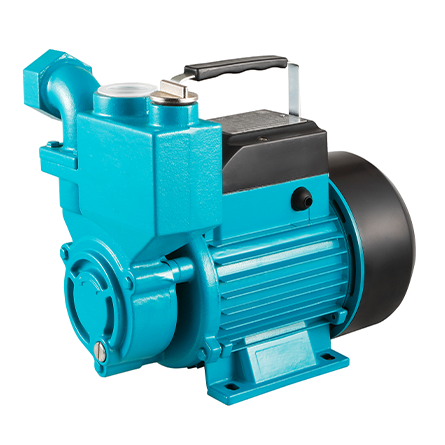
Discover efficient domestic water pump solutions by Flyaway. Improve residential water pressure, ensure steady flow, and optimize home utility today.
2026/09/08
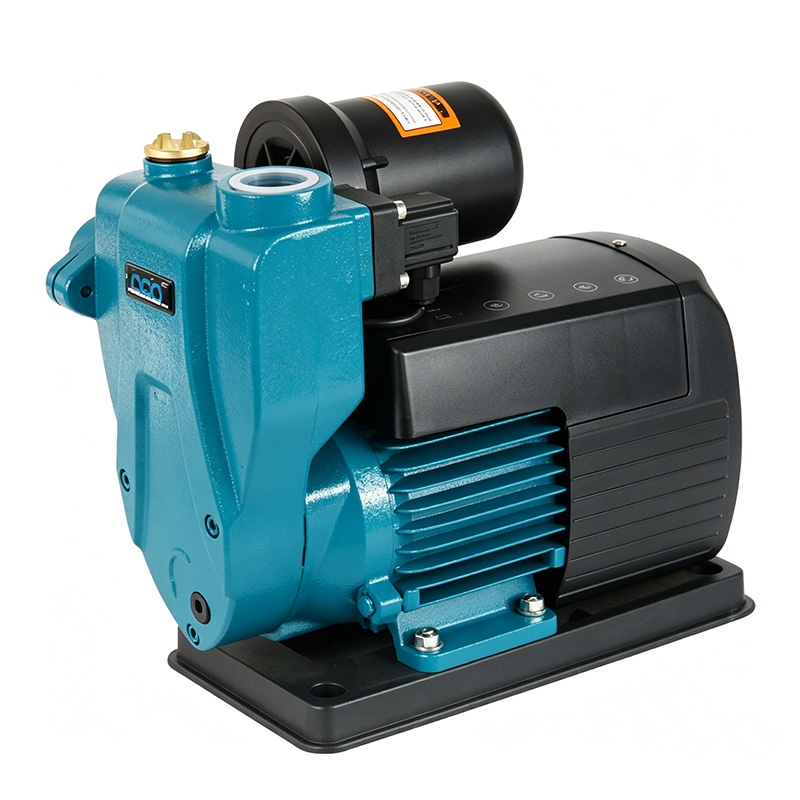
Discover key benefits of using self priming pumps for industrial fluid transfer. Learn how Flyaway solutions improve efficiency and reduce maintenance costs.
2026/09/08
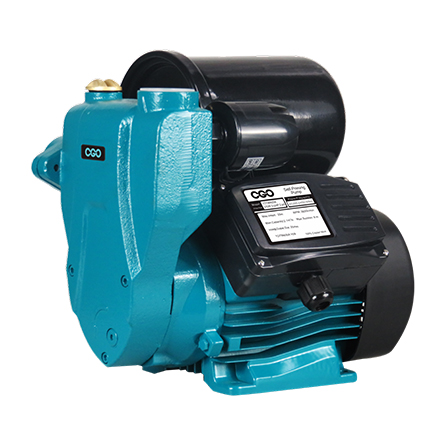
Discover how to choose the right constant pressure water pump with VFD. Learn key hydraulic parameters, energy-saving benefits, and expert tips by Flyaway.
2026/09/08
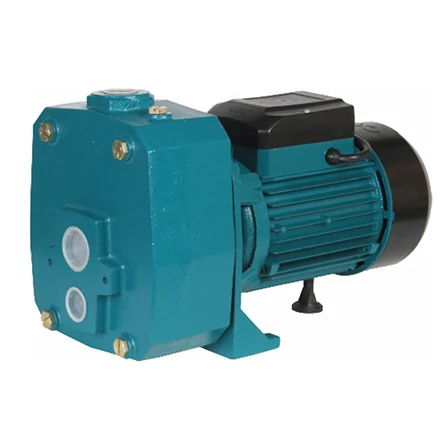
Discover what a jet pump is and its key uses in residential water supply, agricultural irrigation, and deep well extraction. Learn more with Flyaway.
2026/09/08
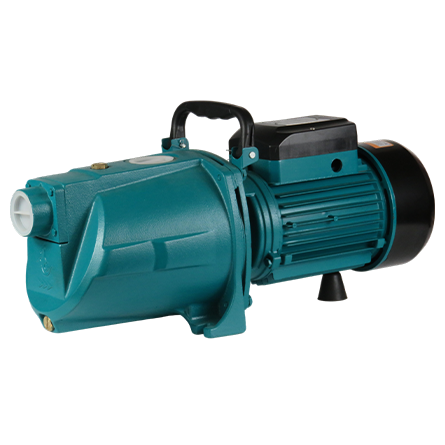
Discover why high-performance agri pumps are essential for modern crop irrigation systems. Learn expert selection tips and boost farm efficiency
2026/09/08
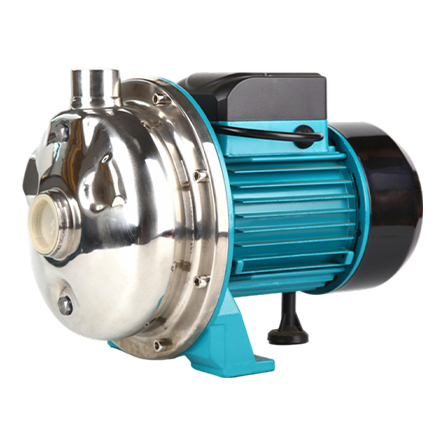
Discover expert tips on choosing the right clean water pump for your facility. Learn about flow rates, motor specs, and maintenance with Flyaway.
