 EN
EN
Domestic Water Pump Solutions for Homes
2026/09/08
Discover efficient domestic water pump solutions by Flyaway. Improve residential water pressure, ensure steady flow, and optimize home utility today.

2026/09/04
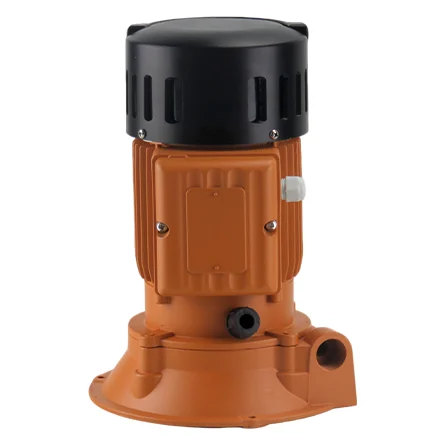
Operating in industrial manufacturing, heavy facility maintenance, and commercial plant engineering for years at Flyaway, our technical services team has encountered numerous complex sanitation challenges across metal processing, textile manufacturing, and heavy warehousing sectors. When industrial facilities face stubborn grease, accumulated industrial residue, sticky chemical buildup, or heavy sludge on large-scale machinery, relying on standard water pressure or manual scrubbing is rarely effective or economically viable. A professional jet cleaning pump is specifically engineered to deliver high-velocity water streams that effectively strip away stubborn contaminants from metallic structural surfaces, internal pipelines, and industrial flooring without damaging the underlying substrate materials. Unlike traditional low-pressure washing equipment, an advanced jet cleaning pump utilizes precision-machined internal impellers, durable chambers, and robust motor assemblies to generate concentrated hydraulic power. According to industrial fluid dynamics standards and hydraulic engineering manuals, maintaining a stable, uninterrupted, and properly filtered water supply is absolutely critical before activating the unit to prevent destructive pump cavitation, dry-running motor damage, and seal degradation. Choosing the correct industrial hardware requires carefully evaluating your facility's daily operational demands, available electrical power sources, water source pressure, and specific cleaning frequencies to guarantee long-term reliability and peak sanitation performance. Furthermore, establishing proper mechanical integration ensures that fluid dynamics remain perfectly balanced across all connected high-pressure discharge lines.
Selecting and operating high-pressure equipment demands meticulous attention to technical specifications rather than relying on general guesswork or superficial estimations. At Flyaway, our technical evaluations emphasize motor power ratings, maximum discharge head capacity, optimal flow rates measured in liters or gallons per minute, and pressure threshold limits when deploying any jet cleaning pump model. Before initiating any sanitation procedure with a jet cleaning pump, operators must meticulously verify the structural integrity of inlet hoses, pipe diameters, filtration attachments, and pressure relief valves to ensure a clean, continuous water supply reaches the intake valve. Field data and performance metrics gathered by our engineering specialists demonstrate that accurately matching electrical voltage requirements and motor horsepower to actual operational workloads effectively prevents thermal overload, motor overheating, and premature mechanical wear. When integrating a new unit into your plant's cleaning workflow, maintenance personnel should thoroughly inspect the pump housing, internal seals, and bypass valves, ensuring that corrosion-resistant materials such as high-grade stainless steel or reinforced brass are utilized to withstand harsh chemical detergents and aggressive cleaning agents. Every reliable fluid management assembly utilizing a jet cleaning pump depends on correct hydraulic calculations, ensuring that your equipment performs flawlessly across demanding industrial environments while safeguarding internal components from sudden pressure spikes.
Executing industrial cleaning tasks safely requires a disciplined, step-by-step operational approach to protect both frontline personnel and valuable plant machinery. Operators must begin by performing a comprehensive pre-check of the entire fluid circuit, confirming that all quick-disconnect fittings, high-pressure hoses, pressure relief valves, and discharge nozzles are securely fastened and free from cracks or blockages. Once all plumbing and electrical connections are verified, prime the system by ensuring a steady, continuous water supply flows directly into the intake port, completely eliminating trapped air pockets that could cause severe internal turbulence and pressure fluctuations. When activating the jet cleaning pump, operators should gradually ramp up the operating pressure rather than instantly jumping to maximum output, allowing the internal seals and pressure switches to stabilize smoothly. During active cleaning, operators utilizing a professional jet cleaning pump must maintain a consistent nozzle distance of approximately 30 to 50 centimeters from the target surface, moving at a steady, controlled sweep rate to ensure uniform contaminant removal without etching, pitting, or wearing down sensitive metallic substrates. If you notice unusual mechanical whining noises, fluctuating pressure output, or air bubbles during operation, immediately shut down the system to safely inspect for intake blockages or supply restrictions.
Maximizing the operational lifespan, structural integrity, and reliability of industrial cleaning equipment requires proactive, scheduled, and documented maintenance protocols. Established technical guidelines specify that periodically inspecting inlet strainers, clearing mineral deposits from nozzle tips, checking oil lubrication levels, and testing safety bypass valves on your jet cleaning pump are essential practices for preventing unexpected operational downtime. Over years of intensive field observation and customer support, our technical specialists at Flyaway have noted that neglecting routine filter cleanings is the primary leading cause of pressure reduction, flow restriction, and hydraulic inefficiency. After every heavy cleaning cycle, operators should flush the internal fluid chambers with clean water for several minutes to purge residual chemical detergents, scale, or abrasive particulate matter that could accelerate mechanical seal wear or valve corrosion. Furthermore, store the jet cleaning pump in a clean, temperature-controlled, dry environment during extended periods of inactivity to protect electrical enclosures, prevent internal freezing damage, and maintain seal elasticity. By adhering strictly to these manufacturer-recommended maintenance schedules, facility operators ensure that their sanitation systems continue to deliver optimal performance, structural safety, and consistent cleaning power over many years of intensive industrial service.
Maximizing the utility of high-pressure cleaning technology across diverse industrial environments requires continuous process optimization and adherence to strict safety protocols. Integrating a jet cleaning pump into automated or semi-automated cleaning stations allows facilities to reduce water consumption while dramatically improving cleaning speed and efficacy. Our engineering research at Flyaway indicates that combining optimized nozzle geometries with precise pressure regulation in a jet cleaning pump can decrease cleaning times by up to thirty percent in heavy textile and metal processing plants. Operators should regularly review workflow procedures, train new personnel on emergency shut-off protocols, and maintain a detailed log of operating hours, pressure readings, and maintenance intervals. By implementing these advanced operational strategies, industrial facilities utilizing a trusted jet cleaning pump can achieve superior hygiene standards, reduce equipment depreciation costs, and maintain a safe, highly efficient working environment for all staff members.
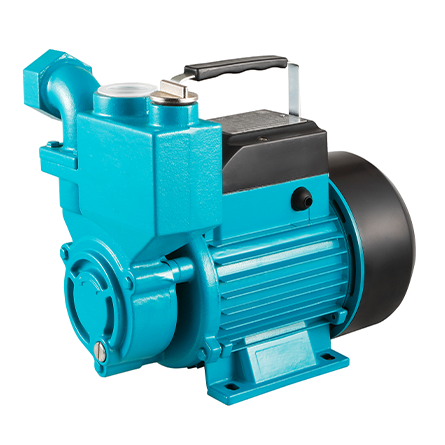
2026/09/08
Discover efficient domestic water pump solutions by Flyaway. Improve residential water pressure, ensure steady flow, and optimize home utility today.
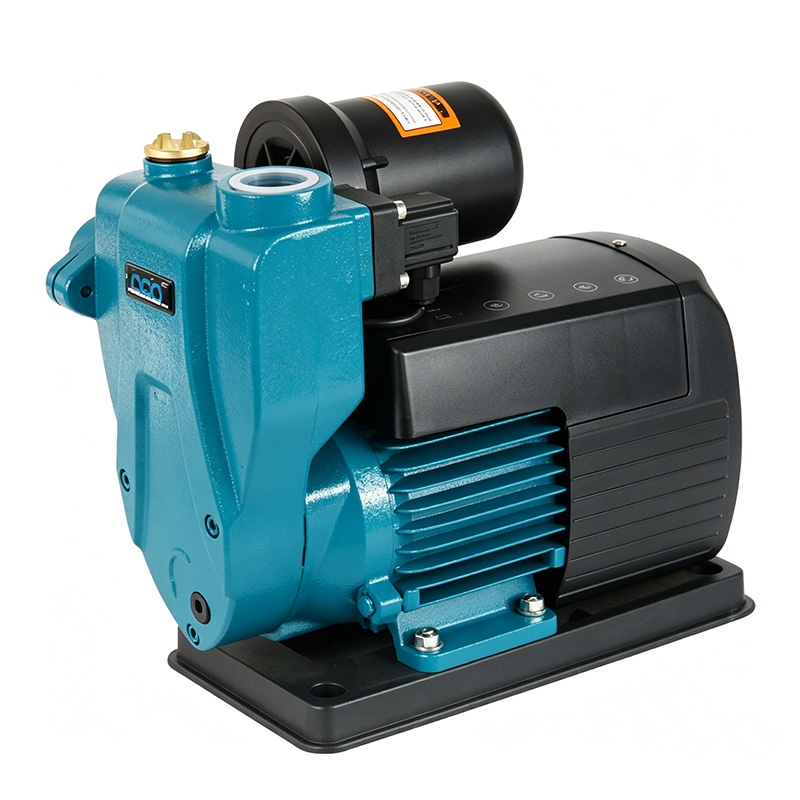
2026/09/08
Discover key benefits of using self priming pumps for industrial fluid transfer. Learn how Flyaway solutions improve efficiency and reduce maintenance costs.
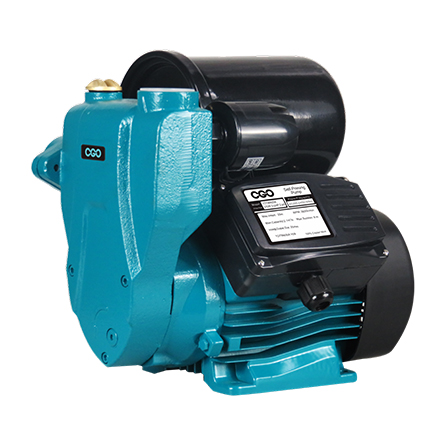
2026/09/08
Discover how to choose the right constant pressure water pump with VFD. Learn key hydraulic parameters, energy-saving benefits, and expert tips by Flyaway.
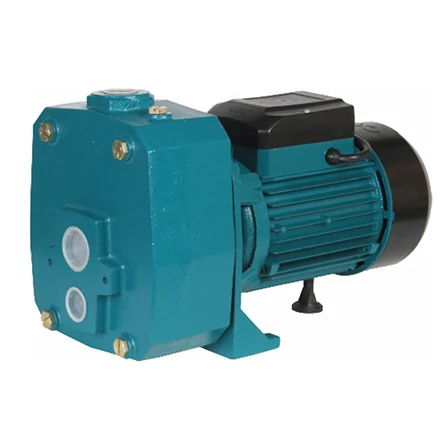
2026/09/08
Discover what a jet pump is and its key uses in residential water supply, agricultural irrigation, and deep well extraction. Learn more with Flyaway.
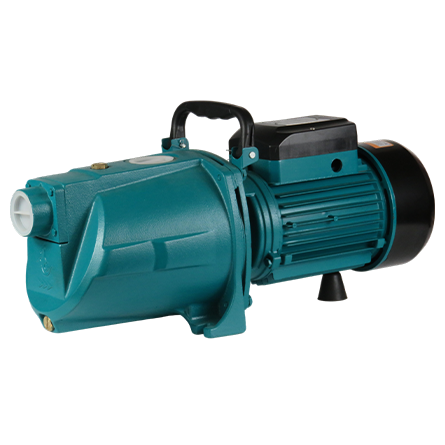
2026/09/08
Discover why high-performance agri pumps are essential for modern crop irrigation systems. Learn expert selection tips and boost farm efficiency
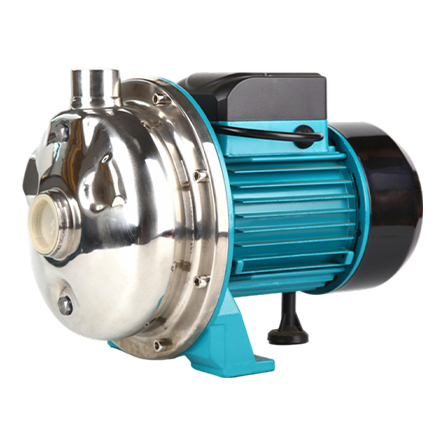
2026/09/08
Discover expert tips on choosing the right clean water pump for your facility. Learn about flow rates, motor specs, and maintenance with Flyaway.
