 EN
EN
Domestic Water Pump Solutions for Homes
2026/09/08
Discover efficient domestic water pump solutions by Flyaway. Improve residential water pressure, ensure steady flow, and optimize home utility today.

2026/09/01
As an industry specialist who has spent years in the field evaluating submersible and borehole pumping systems for residential, agricultural, and municipal applications, I have often encountered facility managers and property owners struggling to choose the correct equipment. Selecting the right deep well pump types for your specific water extraction project is crucial for ensuring long-term operational efficiency, reducing maintenance overhead, and avoiding premature equipment failure. Based on extensive field experience and technical standards from leading water system authorities, this comprehensive guide breaks down how to properly identify, compare, and select the right deep well pump for your underground water source without encountering unexpected performance bottlenecks, pressure drops, or hydraulic design errors.
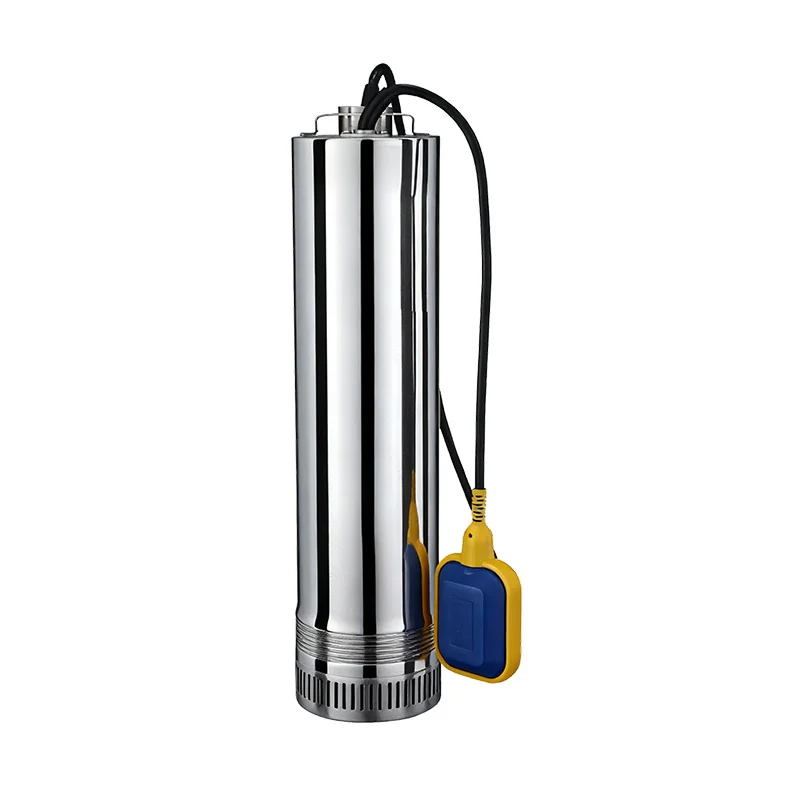
When evaluating deep well pump types, the primary mechanical distinction lies in their structural design and how they lift water from deep underground sources. Unlike shallow well pumps that rely heavily on surface suction to draw water upward, deep well pumps use submerged mechanisms to push water toward the surface against the force of gravity. According to official guidelines from the Water Systems Council, proper equipment identification always starts with evaluating your well's depth, casing diameter, static water table, and daily volumetric water demand. Submersible pumps, which hermetically combine the electric motor and pump wet end into a single cylindrical unit lowered deep into the water source, represent the most widely utilized, reliable, and efficient category for modern boreholes and deep water extraction projects.
Submersible deep well pump types are engineered to operate entirely underwater, making them exceptionally quiet, reliable, and energy-efficient since pushing water upward requires less mechanical energy than pulling it via a surface vacuum. In practical engineering applications, these units are categorized by their multi-stage centrifugal impeller stages and motor horsepower ratings. When inspecting a high-head submersible model, operators will notice multiple impellers stacked vertically within the housing; each sequential stage adds pressure to lift water from greater subterranean depths. Industry data indicates that multi-stage centrifugal designs provide the necessary discharge head for deep water tables while maintaining high electrical efficiency during continuous, heavy-duty operation.
Another distinct category within deep well pump types is the deep well jet pump system, which utilizes a surface-mounted motor paired with an external jet assembly (packer or ejector) placed down the well casing. Unlike submersibles, jet pumps use a dual-pipe configuration to circulate water and generate the necessary pressure and suction venturi effect. While they offer the advantage of easier surface maintenance because the motor remains above ground level, jet pump designs generally provide lower volumetric flow rates and require careful priming before startup. They remain suitable for specific installation constraints or shallow subterranean depths where submersibles cannot be easily deployed or serviced.
Properly identifying which of the deep well pump types matches your specific site requires analyzing critical performance parameters found in technical specifications. Operators must cross-reference static water levels, total dynamic head (TDH), and required gallons per minute (GPM) with official manufacturer pump performance curves. Selecting a unit with mismatched hydraulic specifications can lead to motor overheating, hydraulic cavitation, or insufficient water delivery. Always consult detailed technical documentation and data sheets provided on trusted industrial platforms, such as those available at WEITAI, to ensure your chosen model aligns precisely with your operational requirements and flow expectations.
Ensuring the longevity and dependable performance of your chosen deep well pump installation depends heavily on correct mechanical setup, proper electrical wiring, and routine preventative maintenance. Professional installers recommend incorporating a dedicated control box featuring thermal overload protection and utilizing high-quality brass check valves to prevent backflow and destructive water hammer. Regular inspection of electrical resistance, operating current, and flow stability helps maintenance teams identify minor anomalies before complete system failure occurs. By following these evidence-based maintenance protocols, facility operators can maximize equipment lifespan, protect downstream plumbing infrastructure, and maintain a secure water supply.
Modern manufacturing and digital monitoring integration continue to revolutionize how industrial and municipal facilities manage subterranean water extraction. Innovations in variable frequency drives (VFDs) and smart IoT sensors allow operators to monitor flow rates, motor temperatures, and power consumption in real time across demanding environments. By pairing advanced monitoring technologies with properly selected deep well pump types, facilities can proactively address minor hydraulic fluctuations, eliminate unexpected downtime, and achieve unprecedented levels of energy efficiency across every operational cycle.
In summary, accurately identifying and selecting from various deep well pump types is the ultimate cornerstone of a dependable and cost-effective subterranean water supply network. Whether deploying a hermetically sealed submersible unit or a specialized jet pump configuration, understanding the unique hydraulic advantages and mechanical requirements prevents costly maintenance errors. By prioritizing rigorous engineering analysis, water quality assessment, and system compatibility, operators can guarantee sustainable performance and maximum operational lifespan across all applications.
2026/09/08
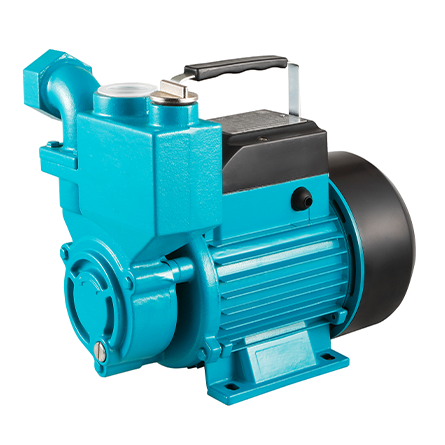
Discover efficient domestic water pump solutions by Flyaway. Improve residential water pressure, ensure steady flow, and optimize home utility today.
2026/09/08
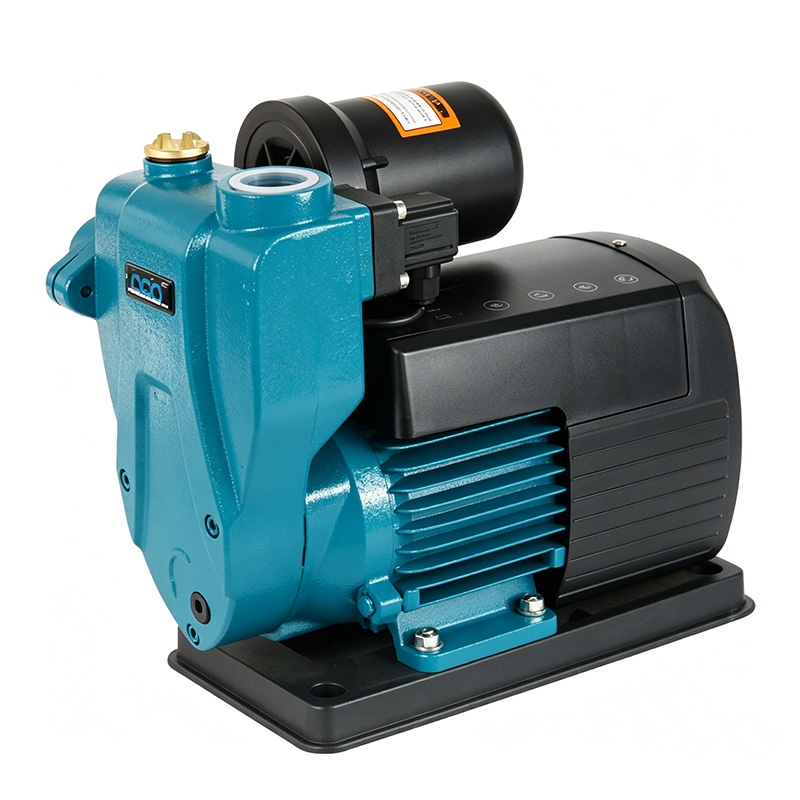
Discover key benefits of using self priming pumps for industrial fluid transfer. Learn how Flyaway solutions improve efficiency and reduce maintenance costs.
2026/09/08
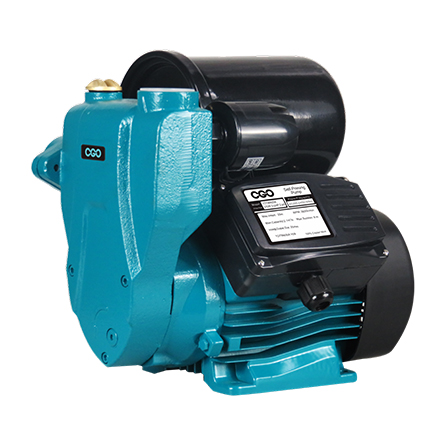
Discover how to choose the right constant pressure water pump with VFD. Learn key hydraulic parameters, energy-saving benefits, and expert tips by Flyaway.
2026/09/08
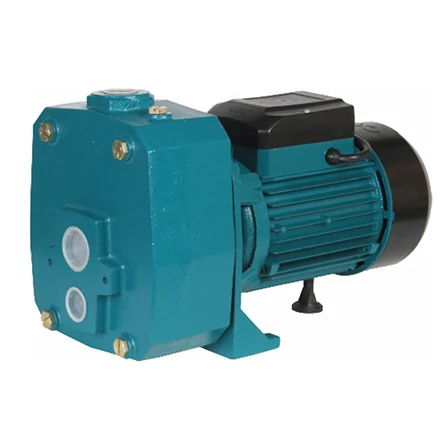
Discover what a jet pump is and its key uses in residential water supply, agricultural irrigation, and deep well extraction. Learn more with Flyaway.
2026/09/08
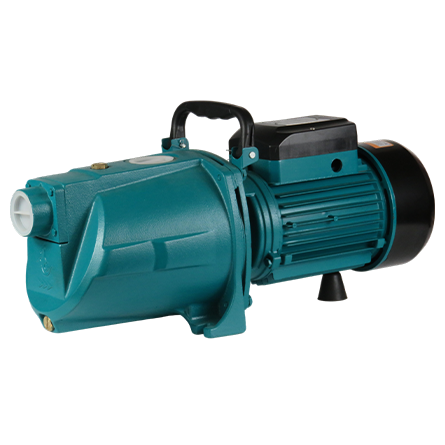
Discover why high-performance agri pumps are essential for modern crop irrigation systems. Learn expert selection tips and boost farm efficiency
2026/09/08
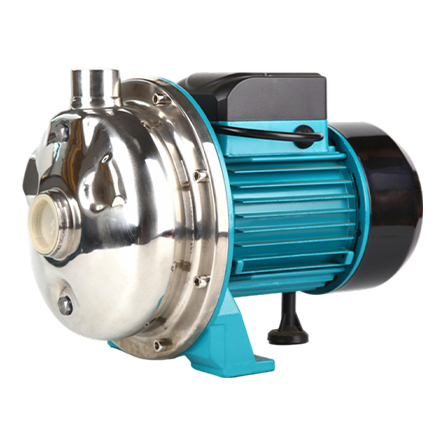
Discover expert tips on choosing the right clean water pump for your facility. Learn about flow rates, motor specs, and maintenance with Flyaway.
