 EN
EN
Domestic Water Pump Solutions for Homes
2026/09/08
Discover efficient domestic water pump solutions by Flyaway. Improve residential water pressure, ensure steady flow, and optimize home utility today.

2026/09/04
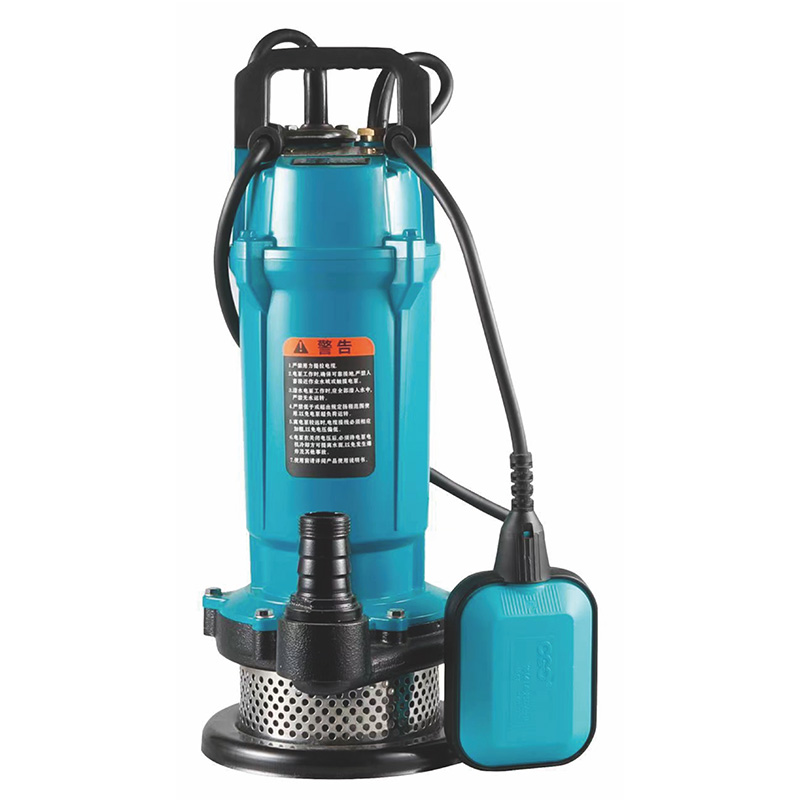
When undertaking the comprehensive project of installing a deep well submersible pump, a thorough pre-installation site assessment stands as the foundational pillar of long-term operational success and system reliability. At Flyaway, extensive field experience shows that carefully verifying well diameter, total depth, static water level, and pumping water level prevents costly mechanical mismatches and premature component wear. Before lowering any heavy equipment into the borehole, qualified technicians must perform a comprehensive insulation resistance test on the motor winding using a calibrated megohmmeter to ensure absolute electrical integrity. Furthermore, testing the extracted water quality for pH levels, sand content, and dissolved mineral concentrations helps determine if specialized corrosion-resistant materials are required for the installation environment. Safety protocols dictate that all primary power sources must be locked out and tagged out properly, and lifting tripods or cranes must be certified and rated to handle the combined cumulative weight of the pump, motor, drop pipe, and the fully filled column of water. Careful planning during this initial phase minimizes on-site hazards, protects sensitive electrical components from moisture ingress, and ensures that every single mechanical connection meets strict engineering tolerances before total submergence.
The actual physical assembly of the deep well pumping unit requires meticulous attention to mechanical alignment, thread engagement, and precise torque specifications. When installing a deep well submersible pump, technicians must securely couple the heavy-duty submersible motor to the pump wet end, ensuring that the spline shaft and mechanical coupling align flawlessly without any binding or lateral stress. A reliable, high-pressure check valve should be installed directly above the pump discharge outlet to effectively prevent damaging backflow and severe water hammer, which can otherwise fracture the internal impeller assemblies during abrupt shutdown cycles. Drop pipes—whether constructed from galvanized steel, stainless steel, or high-density polyethylene—must be threaded or flanged with appropriate thread sealant or heavy-duty O-rings to maintain an airtight and watertight seal under exceptionally high hydrostatic pressure. Safety cables manufactured from corrosion-resistant stainless steel must be securely fastened to the lifting lugs of the pump and clamped securely along the drop pipe at regular intervals to provide essential secondary structural support and prevent excessive weight strain on the electrical power cable. Each individual pipe section should be lowered carefully into the well casing using padded hoisting clamps to avoid scratching, denting, or compromising the integrity of the casing wall.
Electrical safety and proper motor protection are critical determinants of submersible pump longevity and operational safety. When executing electrical setup while installing a deep well submersible pump, the power cable must be spliced using heavy-duty waterproof resin kits or specialized heat-shrink tubing designed specifically for submerged environments to completely eliminate the risk of electrical short circuits. The control box should incorporate comprehensive overload protection, phase-failure relays, and under-voltage sensors to safeguard the motor against voltage fluctuations, dry-running conditions, and single-phasing hazards. Proper grounding is entirely non-negotiable; a dedicated grounding rod must be installed and connected in strict accordance with local electrical codes to dissipate stray electrical currents and protect operators from hazardous electric shocks. Once the wiring configuration is verified, technicians should perform a momentary startup test above ground or immediately upon partial submergence to check for correct motor rotation direction. Ensuring that control settings match the exact electrical amperage and voltage ratings specified on the motor nameplate guarantees stable, efficient, and fully protected operation over years of continuous industrial or residential service.
Lowering the fully assembled pump unit into the deep borehole demands steady coordination, continuous communication, and careful monitoring of cable tension at all times. When carefully installing a deep well submersible pump, operators must ensure that the electrical power cable and stainless steel safety cable are banded together securely to the drop pipe every three meters using UV-resistant rubber bands or heavy-duty cable ties, preventing slack lines from snagging on well casing irregularities. The pump should be set at a safe, elevated distance above the bottom of the well—typically maintaining at least three to five meters of clearance above the well screen or sediment sump—to prevent sand suction, silt accumulation, and premature intake clogging. As the entire heavy assembly descends into the well, technicians must constantly monitor the weight indicator and listen closely for any abnormal friction, binding, or physical obstruction. Once the target operating depth is successfully reached, the heavy wellhead plate must be securely bolted down, and a sanitary well seal installed to prevent surface contaminants, insects, and runoff water from entering the potable water supply.
The final stage of the deployment process involves system commissioning, performance testing, and precise flow regulation. When finalizing the process of installing a deep well submersible pump, the discharge valve should be initially cracked open only partially during startup to allow trapped air to escape safely and to prevent sudden water surge shock on the downstream pipeline network. Technicians must monitor the operating current using a calibrated clamp meter, verifying that the running amperage does not exceed the maximum service factor rating indicated on the motor nameplate. Flow rate, discharge pressure, and drawdown levels should be accurately measured and compared against established pump design curves to confirm optimal hydraulic efficiency. If sand or fine sediment is present in the initial discharge, the pump should be allowed to run continuously until the water clears completely before connecting it to household or industrial plumbing systems. Documenting these initial performance parameters establishes a reliable, long-term baseline for routine maintenance, ensuring enduring reliability and optimal hydraulic output for all Flyaway installations.
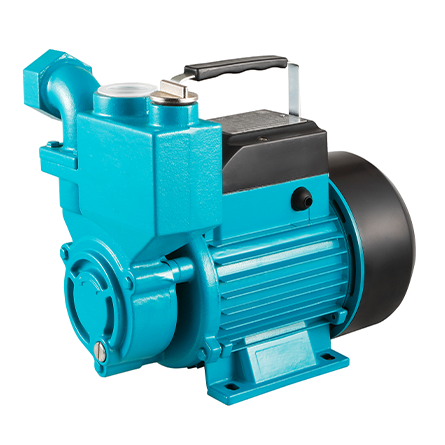
2026/09/08
Discover efficient domestic water pump solutions by Flyaway. Improve residential water pressure, ensure steady flow, and optimize home utility today.
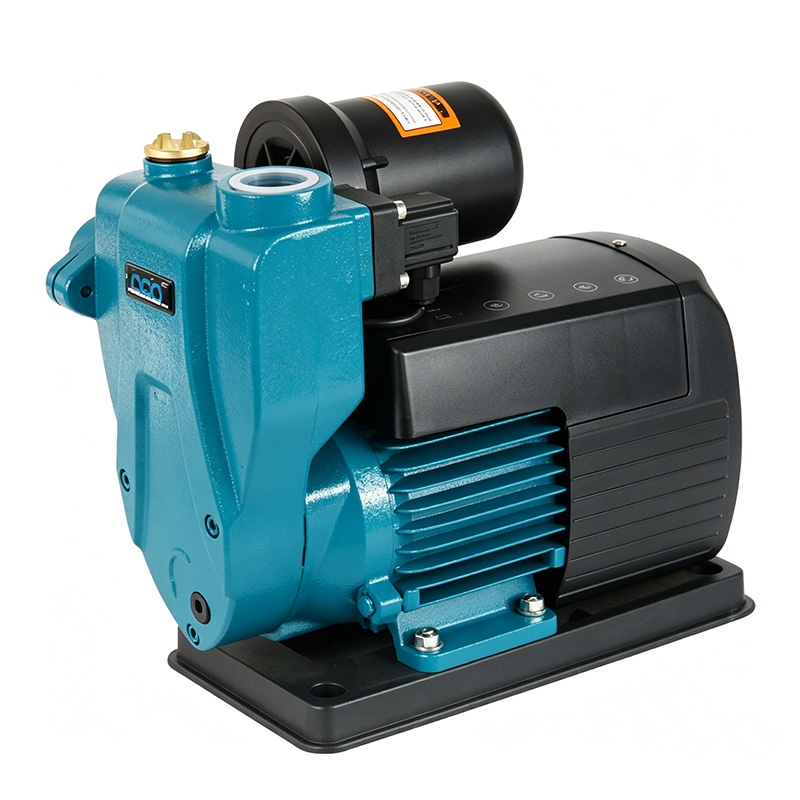
2026/09/08
Discover key benefits of using self priming pumps for industrial fluid transfer. Learn how Flyaway solutions improve efficiency and reduce maintenance costs.
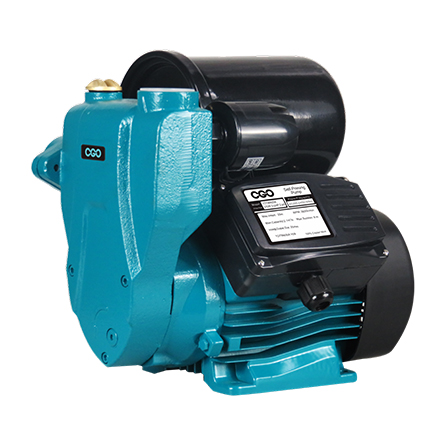
2026/09/08
Discover how to choose the right constant pressure water pump with VFD. Learn key hydraulic parameters, energy-saving benefits, and expert tips by Flyaway.
2026/09/08
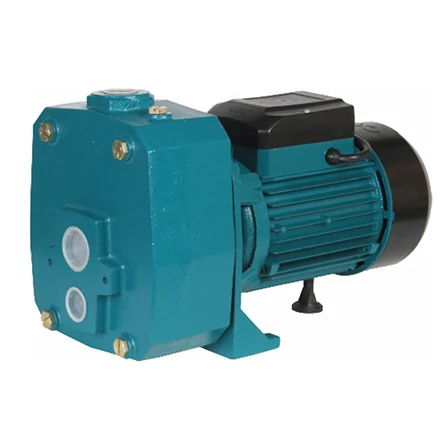
Discover what a jet pump is and its key uses in residential water supply, agricultural irrigation, and deep well extraction. Learn more with Flyaway.
2026/09/08
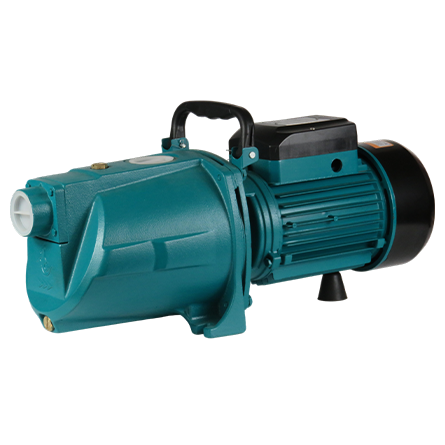
Discover why high-performance agri pumps are essential for modern crop irrigation systems. Learn expert selection tips and boost farm efficiency
2026/09/08
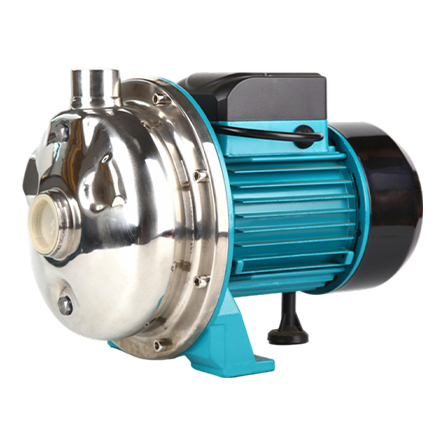
Discover expert tips on choosing the right clean water pump for your facility. Learn about flow rates, motor specs, and maintenance with Flyaway.
