 EN
EN
Domestic Water Pump Solutions for Homes
2026/09/08
Discover efficient domestic water pump solutions by Flyaway. Improve residential water pressure, ensure steady flow, and optimize home utility today.

2026/09/04
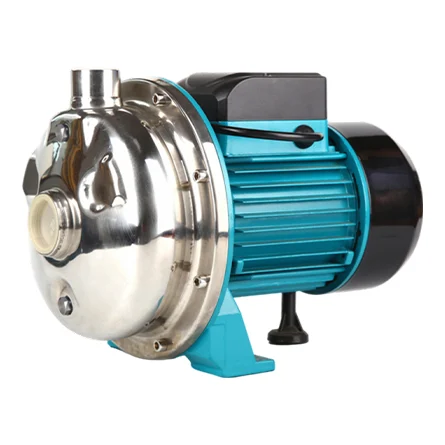
When planning any fluid transfer, agricultural, or industrial project, selecting the correct water pump sizes stands as the single most critical technical step for ensuring long-term operational success. At Flyaway, our experienced field engineers frequently encounter projects where systems fail or underperform simply because the water pump sizes were guessed rather than rigorously calculated. Determining the right size requires evaluating two primary hydraulic metrics: Flow Rate, which is typically measured in gallons per minute or cubic meters per hour, and Total Dynamic Head (TDH). Flow rate dictates how fast you need to move the water to satisfy operational demands, while TDH calculates the total equivalent height the pump must push against, factoring in vertical elevation changes, pipe friction, and fitting losses. Rushing this initial assessment often leads to cavitating impellers, motor burnout, or excessive energy consumption. By relying on empirical formulas rather than arbitrary rules of thumb, project managers can ensure long-term mechanical reliability and optimal hydraulic efficiency across all deployed assets. Furthermore, understanding system dynamics early prevents costly modifications later in the construction cycle.
To pinpoint accurate water pump sizes, you must first quantify your exact volumetric requirements. For residential or light commercial setups, this is typically determined by peak usage calculations or the volume of a storage reservoir divided by the desired fill time. Once the flow rate is established, you must calculate the Total Dynamic Head by summing the static lift, pressure requirements at the discharge point, and friction losses across your entire pipeline network. Our technical team at Flyaway utilizes standardized engineering equations to map out pipe friction based on internal diameter, material composition, and inner wall roughness when evaluating water pump sizes. Ignoring pipe friction in long runs or complex manifold layouts is a common pitfall that leaves systems severely underpowered. Always cross-reference your calculated head and flow intersections directly against the manufacturer pump performance curves to ensure proper hydraulic matching under full load conditions and avoid unexpected operational instability.
Interpreting pump performance curves is essential for validating whether your chosen water pump sizes will operate at peak efficiency. Every centrifugal pump features a unique curve mapping head against capacity, alongside efficiency islands that show where the unit consumes the least electrical power while delivering optimal output. When analyzing water pump sizes, operating a pump far to the right of its Best Efficiency Point (BEP) can cause severe cavitation and premature internal wear, whereas operating too far left can result in overheating due to restricted flow conditions. When reviewing specifications on the Flyaway product platform, check the operating point intersection carefully. Selecting a model that hits your system requirement near the center of the efficiency curve guarantees reduced maintenance downtime, lower thermal stress, and lower operational expenditures over the entire equipment lifecycle.
Physical sizing extends well beyond basic hydraulic output to include motor specifications, electrical configurations, and environmental installation parameters. Depending on whether your project site utilizes single-phase or three-phase power, your water pump sizes must align strictly with available grid infrastructure or generator capacities. Furthermore, ambient temperature, suction lift limits, and fluid characteristics such as viscosity or suspended solids dictate whether you need a self-priming surface pump, a submersible drainage unit, or a heavy-duty industrial centrifugal model. When assessing water pump sizes for challenging environments, Flyaway technical documentation emphasizes verifying net positive suction head available against the net positive suction head required to prevent vapor bubble formation. Proper environmental matching prevents unexpected operational halts during critical project phases and safeguards mechanical seals against premature failure.
Finalizing the right water pump sizes involves a comprehensive review of all calculated parameters, safety margins, and long-term operating costs. We recommend incorporating a reasonable safety factor—typically 10% to 15% in both flow and head—to accommodate future system expansions or minor pipeline aging, without grossly oversizing the motor. Oversizing is just as detrimental as undersizing, as it forces the pump to run throttled back, wasting energy and accelerating seal wear. By systematically gathering your project data, referencing verified manufacturer specifications, and prioritizing operational efficiency when determining water pump sizes, you secure a reliable fluid transport system that delivers consistent performance year after year across all industrial applications and demanding work environments.
Maintaining the performance of water pump sizes over years of continuous operation requires routine inspections and proactive maintenance protocols. Operators should monitor vibration levels, bearing temperatures, and discharge pressure fluctuations to detect early warning signs of mechanical wear, seal leakage, or cavitation. Implementing a structured preventive maintenance schedule significantly extends equipment life and minimizes unexpected downtime in mission-critical applications across various operational facilities.
2026/09/08
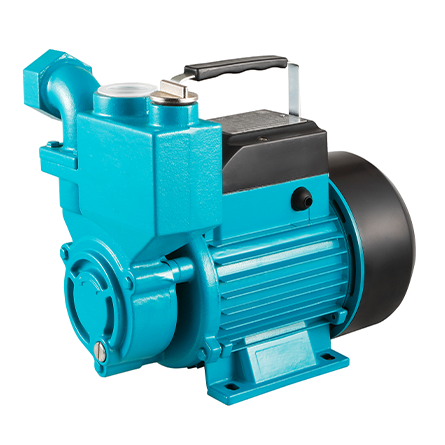
Discover efficient domestic water pump solutions by Flyaway. Improve residential water pressure, ensure steady flow, and optimize home utility today.
2026/09/08
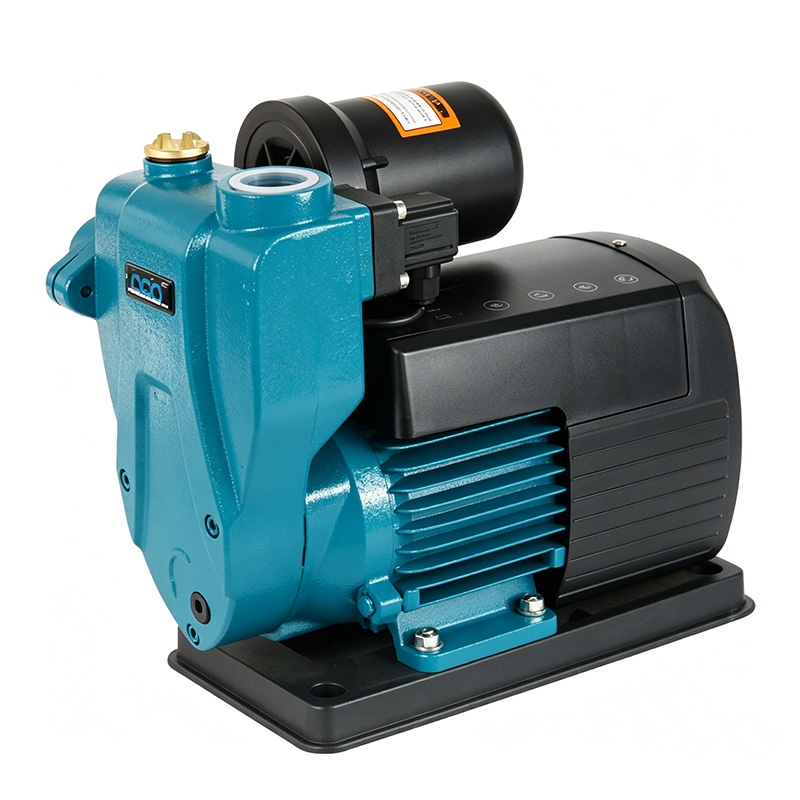
Discover key benefits of using self priming pumps for industrial fluid transfer. Learn how Flyaway solutions improve efficiency and reduce maintenance costs.
2026/09/08
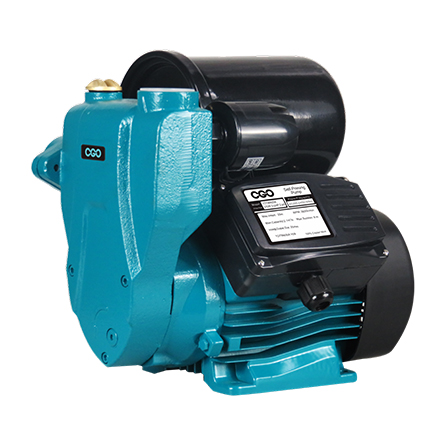
Discover how to choose the right constant pressure water pump with VFD. Learn key hydraulic parameters, energy-saving benefits, and expert tips by Flyaway.
2026/09/08
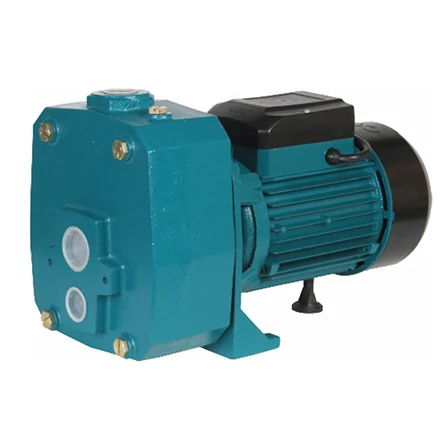
Discover what a jet pump is and its key uses in residential water supply, agricultural irrigation, and deep well extraction. Learn more with Flyaway.
2026/09/08
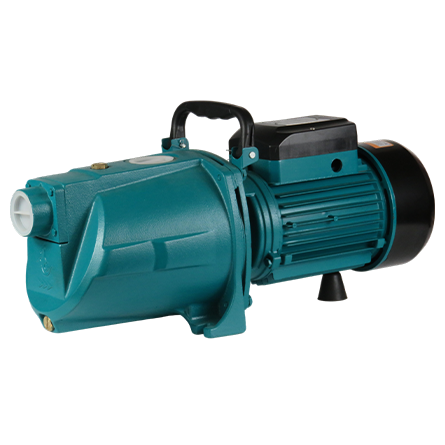
Discover why high-performance agri pumps are essential for modern crop irrigation systems. Learn expert selection tips and boost farm efficiency
2026/09/08
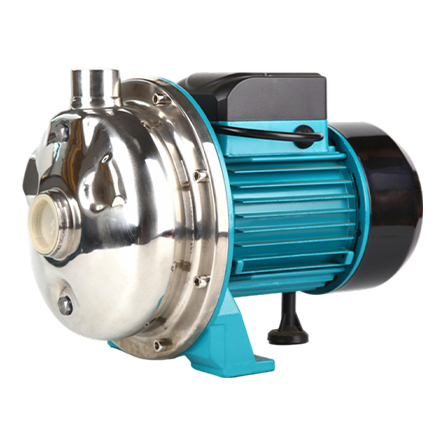
Discover expert tips on choosing the right clean water pump for your facility. Learn about flow rates, motor specs, and maintenance with Flyaway.
