EN
EN
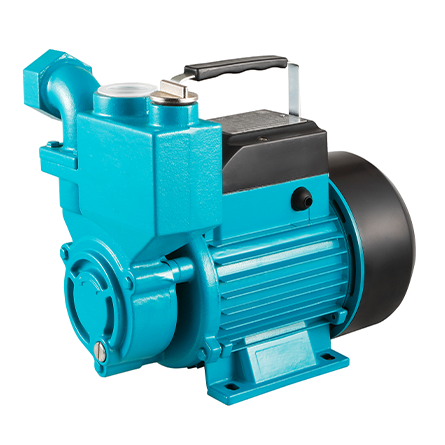
Domestic Water Pump Solutions for Homes
2026/09/08
Discover efficient domestic water pump solutions by Flyaway. Improve residential water pressure, ensure steady flow, and optimize home utility today.

2026/07/13
Picking the right water pump for a specific job sounds simple until you're staring at a catalog with dozens of models, each with different specs, operating pressures, and intended environments. Get it wrong and the consequences go well beyond a wasted purchase — poor system efficiency, premature seal wear, and unexpected downtime follow. This water pump selection guide covers the main application categories, the pump types most suited to each, and the technical parameters that genuinely matter when you're specifying a unit for agricultural irrigation, industrial process systems, or residential boosting.
Step One: Match the Pump to the Working Environment
Every practical water pump selection guide starts by identifying the operating environment, because that single factor narrows the field considerably.
Agricultural irrigation pump applications demand high flow rates and reliable continuous operation. Center-pivot or drip irrigation systems often run six to ten hours daily during growing seasons, drawing from canals, rivers, or shallow wells. Pumps in this category need to sustain volume efficiently without overheating, and since many agricultural irrigation pump installations are in remote field locations, they also need to be straightforward to service when problems do occur.
Industrial water pump installations cover a much broader range of demands — cooling towers, heat exchangers, boiler feed lines, CIP circuits, and process fluid transfer all rely on them. What ties these applications together is a demand for reliability above almost everything else. An industrial water pump failure on a production line costs far more in lost output than the pump itself, which is why mean-time-between-failures matters so much in this category.
Residential water supply and boosting systems work to an entirely different set of priorities: low noise, compact footprint, and energy-efficient operation at modest flow rates. Homeowners and building managers want a unit that runs quietly in a utility cupboard without demanding regular attention.
Pump Types and What They're Actually Built For
Centrifugal water pump designs dominate clean water transfer, circulation, and general supply applications for a reason. The rotating impeller converts motor speed into kinetic energy, then static pressure — producing smooth, consistent flow across a wide operating range. Centrifugal water pump designs scale from small residential booster units up to large industrial installations serving manufacturing facilities, making them among the most versatile categories available.
Submersible pump units are designed specifically to operate while submerged in the pumped liquid. Deep well submersible pump models draw groundwater from boreholes, while wastewater submersible pump configurations handle drainage, sewage bypass, and stormwater removal. The sealed motor housing that defines submersible pump construction also makes these units noticeably quieter than surface-mounted alternatives — a practical benefit in residential and light-commercial settings.
Self-priming pumps address a real limitation in standard centrifugal designs. When the pump sits above the water surface — common in agricultural and construction field installations — the pump needs to draw water up before continuous flow begins. Standard centrifugal units can't do this reliably. Self-priming variants solve the problem without requiring manual flooding procedures before each start.
Vertical multistage centrifugal pumps generate high head from a compact installation footprint. Booster stations, high-rise building water supply systems, and industrial pressure applications frequently specify these where floor space is limited but pressure requirements are demanding.
The Four Numbers Behind Every Pump Specification
A solid water pump selection guide has to get into the technical numbers, because the application category only gets you to a short list — the hydraulic data closes the selection.
Flow rate (Q) defines how much water the system needs to move, in cubic meters per hour or liters per minute. Size this against peak demand, not average demand. A pump that can't meet peak flow creates pressure collapse exactly when you need it most.
Head (H) is the pressure equivalent the pump must overcome, expressed in meters of water column. Total head includes static lift (the vertical height difference between source and delivery), pipe friction losses, and back-pressure from downstream valves and equipment.
Liquid characteristics influence impeller material and seal selection more than many buyers account for. Clean water, process water with suspended solids, and wastewater each call for different construction materials. An industrial water pump specified for clean water will wear prematurely if it's handling abrasive slurry or mildly corrosive effluent.
Duty cycle — operating hours per day — directly affects motor sizing, bearing specification, and thermal management. A pump running 16 hours daily needs a higher service factor and more robust cooling than one running two hours intermittently. Matching the motor specification to actual operating hours avoids the gradual overheating failures that shorten equipment life.
Two Mistakes That Consistently Show Up in Pump Selections
Over-sizing is the most common error in any water pump selection guide context. A pump running at 30% of its rated flow operates deep in an inefficient zone — wasting energy, generating excess heat, and accelerating seal and bearing wear. The pump performance curve shows where the unit should operate: that point is the peak efficiency point (BEP), and real-world operating conditions should stay as close to it as practical.
Under-specifying for liquid quality is the second frequent problem. Pump construction materials — cast iron, 304 stainless steel, 316 stainless steel, bronze — make a significant difference when the liquid contains suspended particles, elevated temperatures, or mild corrosive properties. Getting materials right in the initial specification avoids expensive pump replacements within months of commissioning.
How Flyaway Electric Approaches Pump Selection Support
Flyaway Electric manufactures a complete range covering agricultural irrigation pump, industrial water pump, submersible pump, and centrifugal water pump categories for global markets. Rather than leaving customers to navigate a catalog independently, Flyaway Electric's engineering team works directly with distributors, project engineers, and procurement managers to match pump specifications to documented site conditions — flow, head, liquid type, duty cycle, and installation constraints included.
For customers with OEM or ODM requirements, Flyaway Electric supports customized motor configurations, voltage ratings, and export packaging for specific market compliance. All products are manufactured under ISO 9001 quality control and certified to CE, EAC, SABER, INMETRO, and SONAP standards for their respective markets.
Getting the Selection Right from the Start
A well-executed water pump selection guide saves procurement costs, reduces warranty claims, and keeps systems running at designed efficiency across their full service life. Whether the application is an agricultural irrigation pump network covering hundreds of hectares, an industrial water pump serving a continuous process line, or a centrifugal water pump for quiet residential pressure boosting, the selection logic follows the same framework: match the hydraulic numbers, choose the right pump type for the environment, and specify construction materials appropriate for the actual liquid and duty conditions involved.
2026/09/08
Discover efficient domestic water pump solutions by Flyaway. Improve residential water pressure, ensure steady flow, and optimize home utility today.
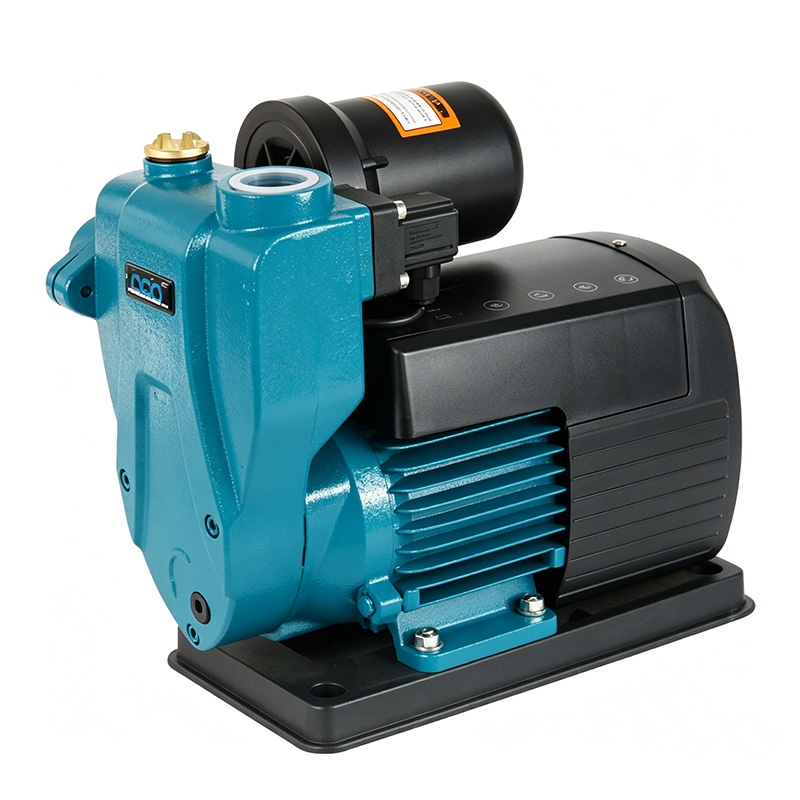
2026/09/08
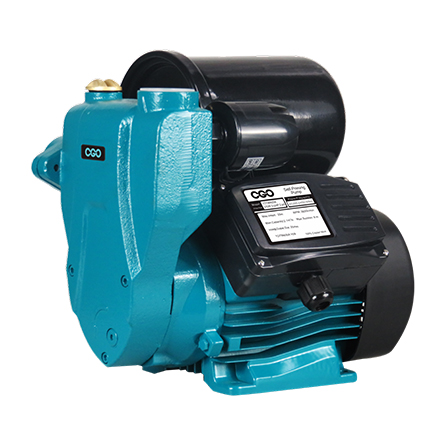
Discover key benefits of using self priming pumps for industrial fluid transfer. Learn how Flyaway solutions improve efficiency and reduce maintenance costs.
2026/09/08
Discover how to choose the right constant pressure water pump with VFD. Learn key hydraulic parameters, energy-saving benefits, and expert tips by Flyaway.
2026/09/08
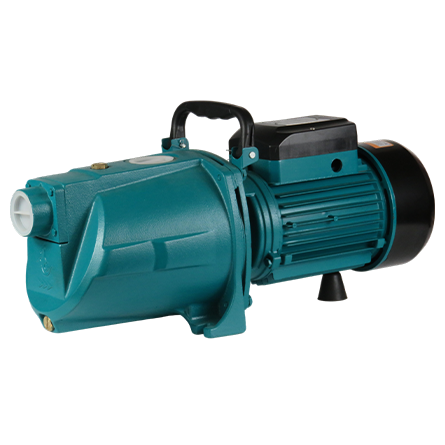
Discover what a jet pump is and its key uses in residential water supply, agricultural irrigation, and deep well extraction. Learn more with Flyaway.
2026/09/08
Discover why high-performance agri pumps are essential for modern crop irrigation systems. Learn expert selection tips and boost farm efficiency
2026/09/08
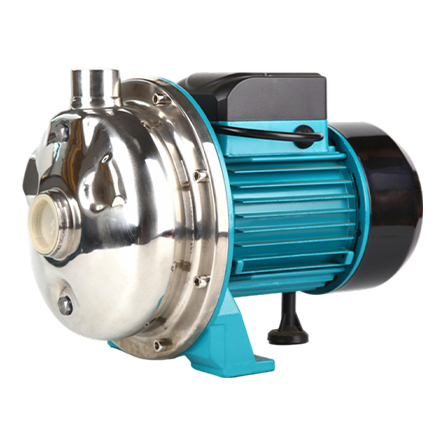
Discover expert tips on choosing the right clean water pump for your facility. Learn about flow rates, motor specs, and maintenance with Flyaway.
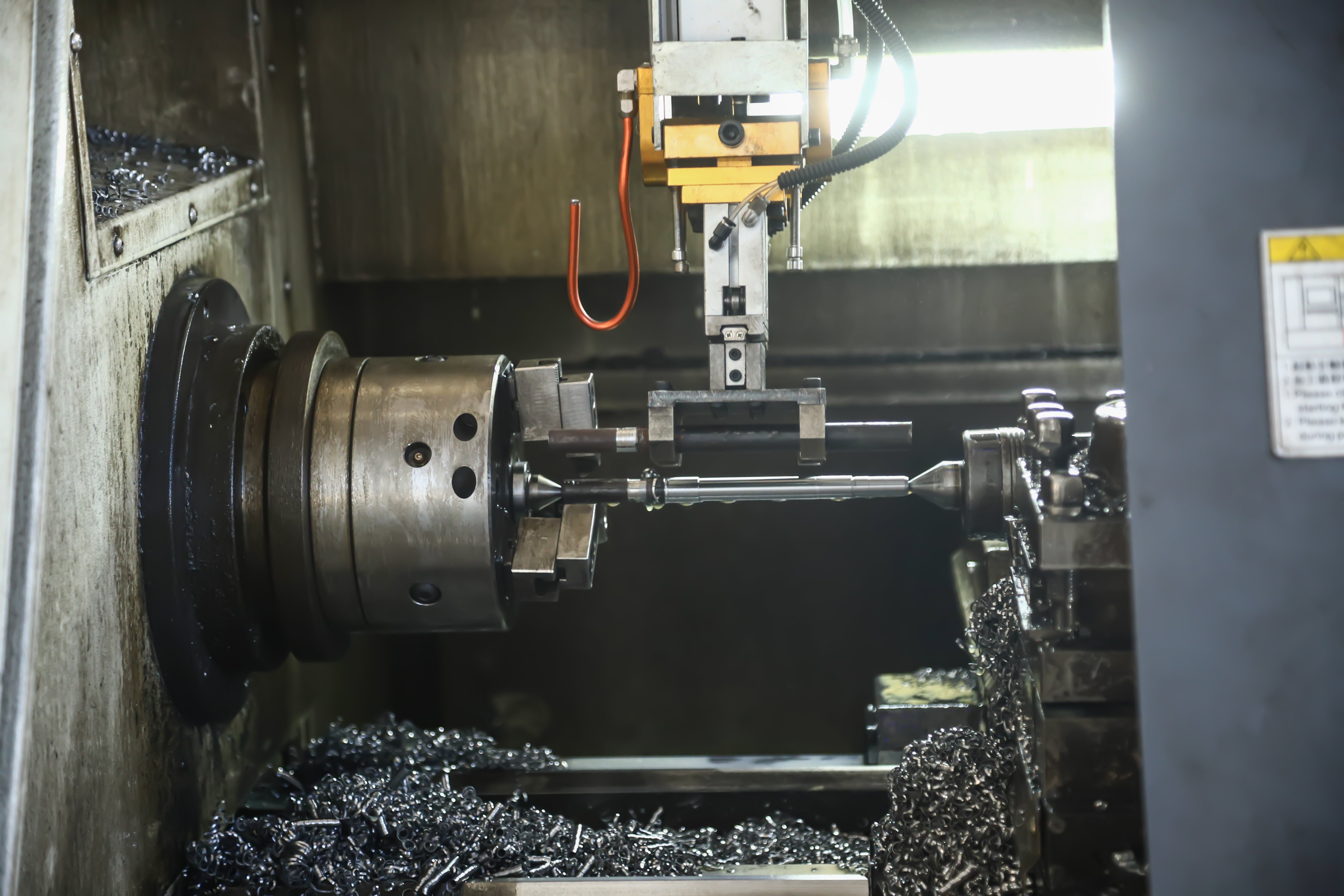
Founded in 2006, we focus on independent R&D and mass production of compact household, agricultural & light industrial water pumps, with supporting fans and motors as auxiliary products. Equipped with full-automatic assembly lines and strict ISO quality inspection labs, we deliver steady, energy-saving pump products to global distributors.
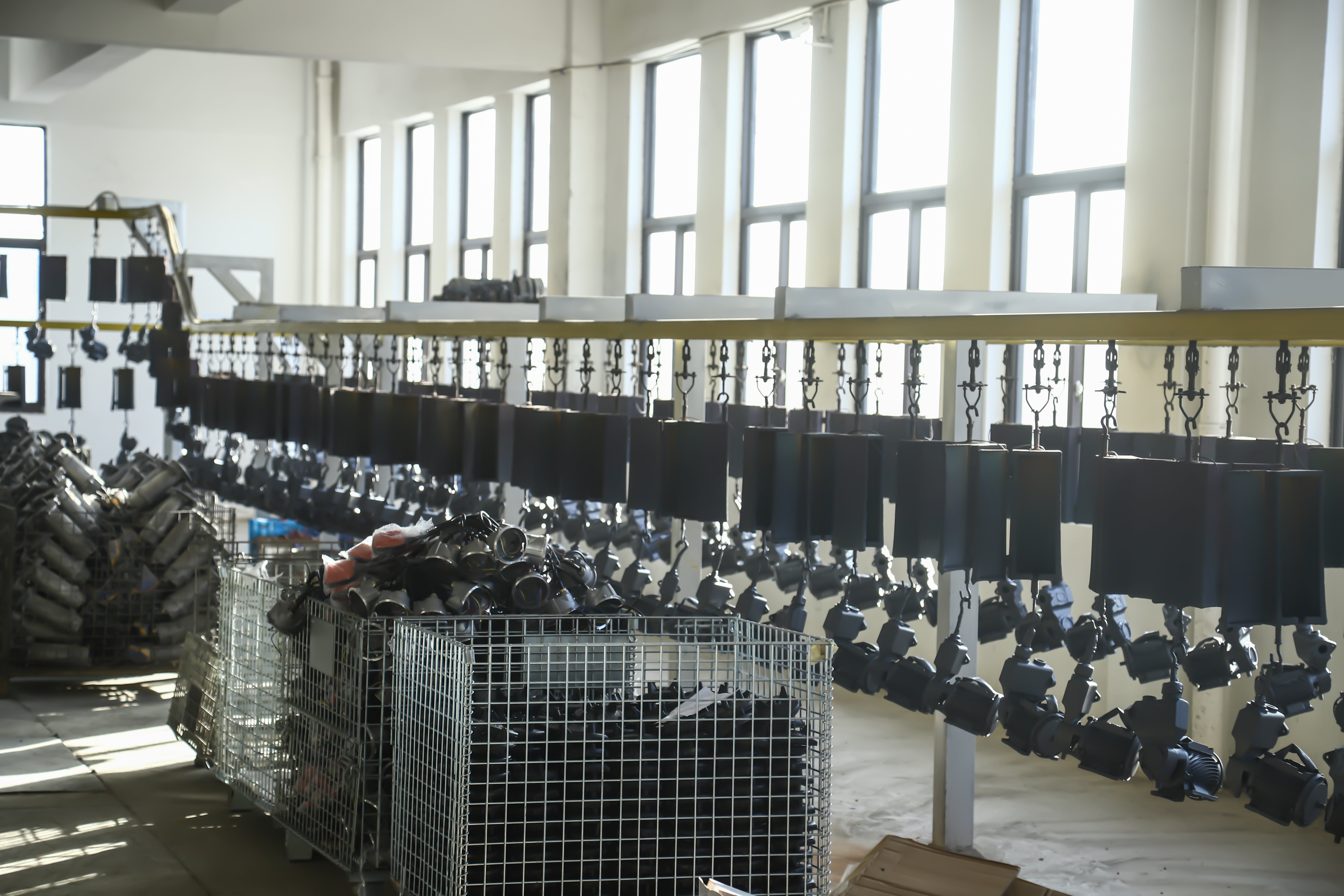
We provide full flexible customization service for all pump models, including voltage adjustment, private logo printing, parameter modification and exclusive packaging. Customization of matching fans and motors is also available upon request. With multi-language sales & technical support, we tailor pump solutions to meet diverse market demands worldwide.
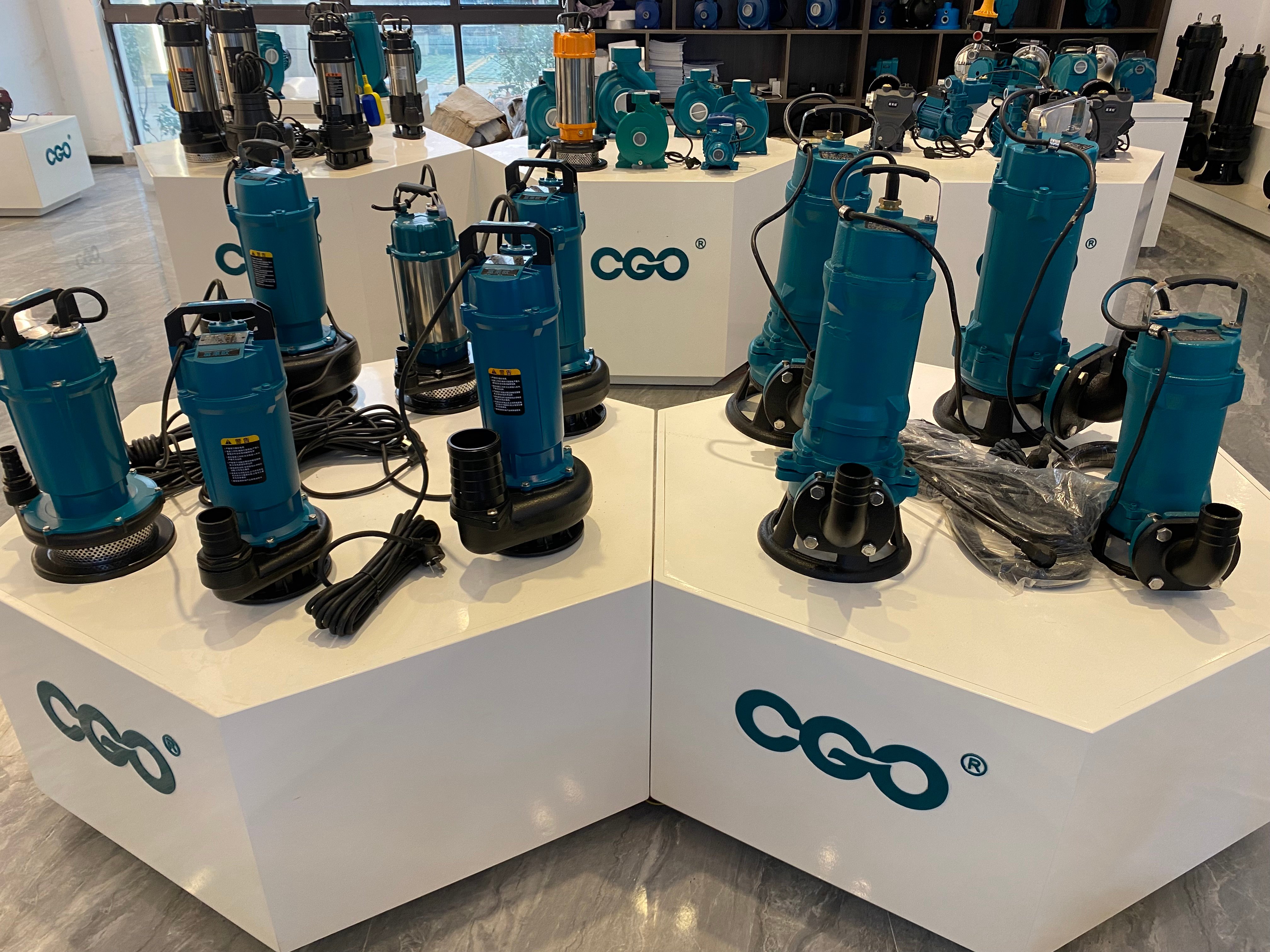
Founded in 2006, Flyaway specializes in compact household, agricultural and light industrial water pumps, with supporting fans and motors as auxiliary products. We offer full-lifecycle after-sales and multilingual technical support for all our items. With reliable global service channels, our professional team provides quick fault diagnosis, abundant original spare parts and remote video guidance to ensure stable operation of your equipment.