 EN
EN
Domestic Water Pump Solutions for Homes
2026/09/08
Discover efficient domestic water pump solutions by Flyaway. Improve residential water pressure, ensure steady flow, and optimize home utility today.

2026/09/01
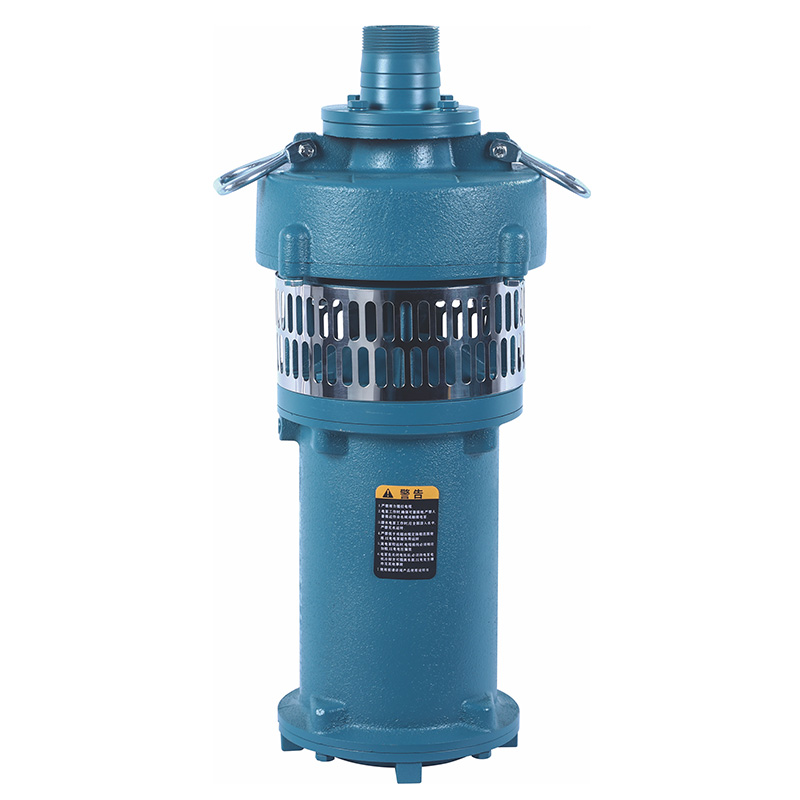
Selecting the right irrigation pump is one of the most critical decisions a modern agricultural operation must make to ensure optimal crop yield and resource efficiency. At Flyaway, our agricultural engineering experts frequently assist farm owners and irrigation specialists in evaluating water source requirements, total dynamic head, and flow rate demands. An efficient irrigation pump serves as the beating heart of any farm's water management system, directly influencing whether crops receive adequate hydration during peak growing seasons. Without a properly sized unit, farmers often face either severe under-irrigation, which stunts plant growth, or excessive energy consumption that inflates operational overhead. When evaluating options, field experience demonstrates that analyzing the specific water source—whether it is a deep well, surface canal, or storage reservoir—determines the foundational choice. Furthermore, modern agricultural standards emphasize transparency and reliability, meaning that every irrigation pump installed must match the exact hydraulic specifications of the distribution network, such as center pivots or drip lines, to prevent premature mechanical wear and system failure.
To select a high-performing irrigation pump, operators must meticulously calculate two core hydraulic metrics: flow rate, typically measured in gallons per minute or cubic meters per hour, and total dynamic head, which accounts for vertical elevation, pipe friction losses, and operating pressure. Field data gathered by agricultural engineers reveals that misjudging either parameter is the leading cause of premature equipment failure and excessive power consumption. When Flyaway specialists consult with agricultural clients, we emphasize that an irrigation pump must be capable of delivering the required water volume precisely when crops demand it, without overloading the driving motor. Calculating total dynamic head requires accounting for suction lift, discharge height, and the internal friction of valves, fittings, and mainline piping. By adhering to rigorous engineering practices, an appropriately specified irrigation pump ensures uniform water distribution across every acre of farmland. Moreover, maintaining accurate records of operating pressures helps farmers identify subtle hydraulic anomalies before they escalate into costly breakdowns, thereby upholding long-term operational trustworthiness and efficiency.
Another vital consideration when choosing an irrigation pump is determining whether an electric motor, diesel engine, or tractor power takeoff drive best suits the geographic location and available infrastructure of the farmland. In regions with reliable electrical grid access, electric-driven units are widely favored for their lower maintenance requirements, quieter operation, and zero direct emissions. Conversely, remote agricultural fields lacking stable grid power rely heavily on robust diesel-powered systems, which offer independent operation and high torque output under heavy field loads. Flyaway technical guidelines advise evaluating fuel availability, maintenance labor costs, and daily operating hours when deciding on the ideal power configuration for an irrigation pump. Practical field experience shows that integrating automated control panels and soft-start mechanisms significantly reduces mechanical shock during startup, extending the service life of both the pump impeller and the driving engine. Transparency in fuel efficiency ratings and maintenance schedules further empowers farm managers to make informed, cost-effective investments in their agricultural infrastructure.
The chemical composition and suspended solids content of the water source directly dictate the required construction materials and mechanical seal design of your irrigation pump. Agricultural water often contains abrasive silt, sand particles, or dissolved agricultural chemicals that can rapidly erode standard metallic components if proper metallurgical safeguards are absent. Industry experts and agricultural water authorities recommend using cast iron housings, stainless steel shafts, and bronze or hard-faced impellers to enhance the corrosion resistance and longevity of an irrigation pump operating in harsh field conditions. When Flyaway designs and supplies robust pumping solutions, durability testing ensures that each unit withstands continuous duty cycles without compromising hydraulic performance. Additionally, installing appropriate intake filtration screens prevents debris from entering the irrigation pump casing, safeguarding internal clearances from clogging or mechanical scoring. By prioritizing material quality and robust filtration, farm operators secure a reliable water delivery system that performs dependably across multiple seasonal crop cycles.
Maximizing the operational lifespan and energy efficiency of an irrigation pump requires a structured preventive maintenance schedule, encompassing regular lubrication, seal inspection, alignment checks, and off-season winterization. Field case studies from successful commercial farms demonstrate that routine servicing prevents minor component wear from escalating into catastrophic failure during critical crop growth windows. Flyaway operational guidelines recommend establishing a monthly log to monitor operating voltage, bearing temperatures, and discharge pressure anomalies for every active unit on the property. Furthermore, collaborating with certified agricultural technicians ensures that any necessary replacement parts strictly conform to original equipment specifications, preserving the hydraulic integrity of the irrigation pump. Embracing these transparent, data-driven maintenance practices not only lowers overall lifecycle costs but also guarantees consistent, reliable irrigation performance year after year.
2026/09/08
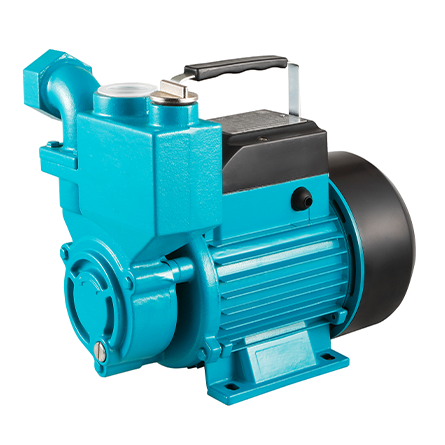
Discover efficient domestic water pump solutions by Flyaway. Improve residential water pressure, ensure steady flow, and optimize home utility today.
2026/09/08
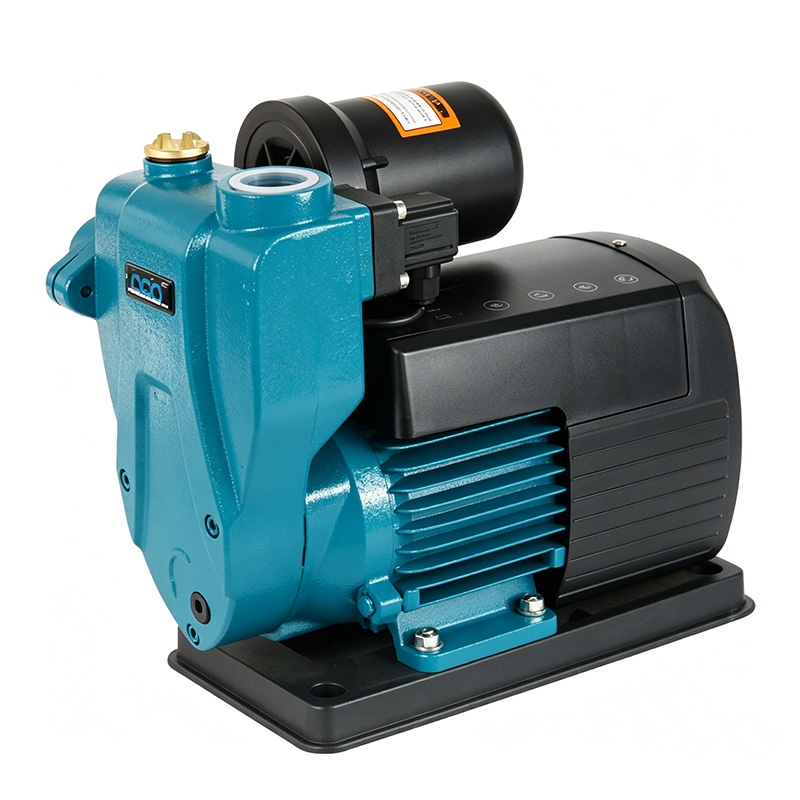
Discover key benefits of using self priming pumps for industrial fluid transfer. Learn how Flyaway solutions improve efficiency and reduce maintenance costs.
2026/09/08
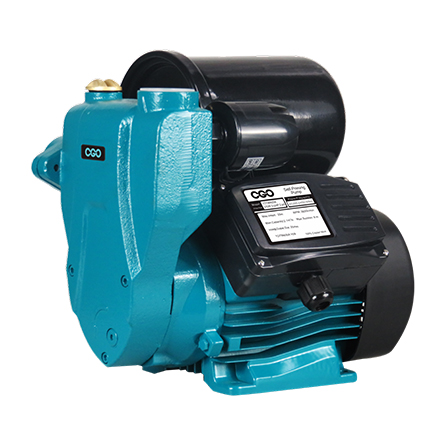
Discover how to choose the right constant pressure water pump with VFD. Learn key hydraulic parameters, energy-saving benefits, and expert tips by Flyaway.
2026/09/08
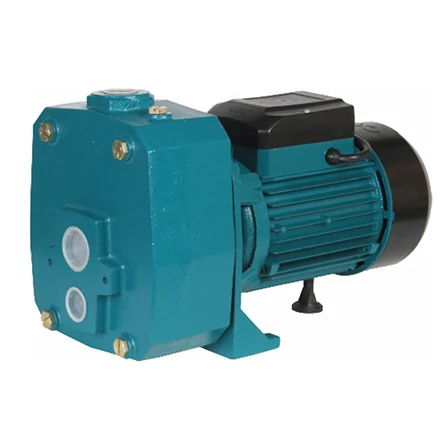
Discover what a jet pump is and its key uses in residential water supply, agricultural irrigation, and deep well extraction. Learn more with Flyaway.
2026/09/08
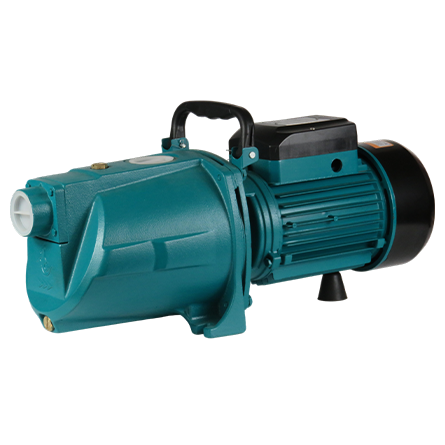
Discover why high-performance agri pumps are essential for modern crop irrigation systems. Learn expert selection tips and boost farm efficiency
2026/09/08
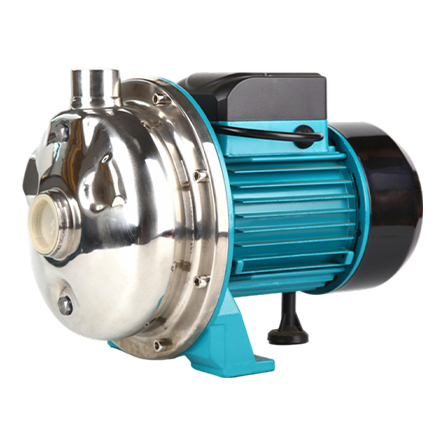
Discover expert tips on choosing the right clean water pump for your facility. Learn about flow rates, motor specs, and maintenance with Flyaway.
