 EN
EN
Domestic Water Pump Solutions for Homes
2026/09/08
Discover efficient domestic water pump solutions by Flyaway. Improve residential water pressure, ensure steady flow, and optimize home utility today.

2026/08/31
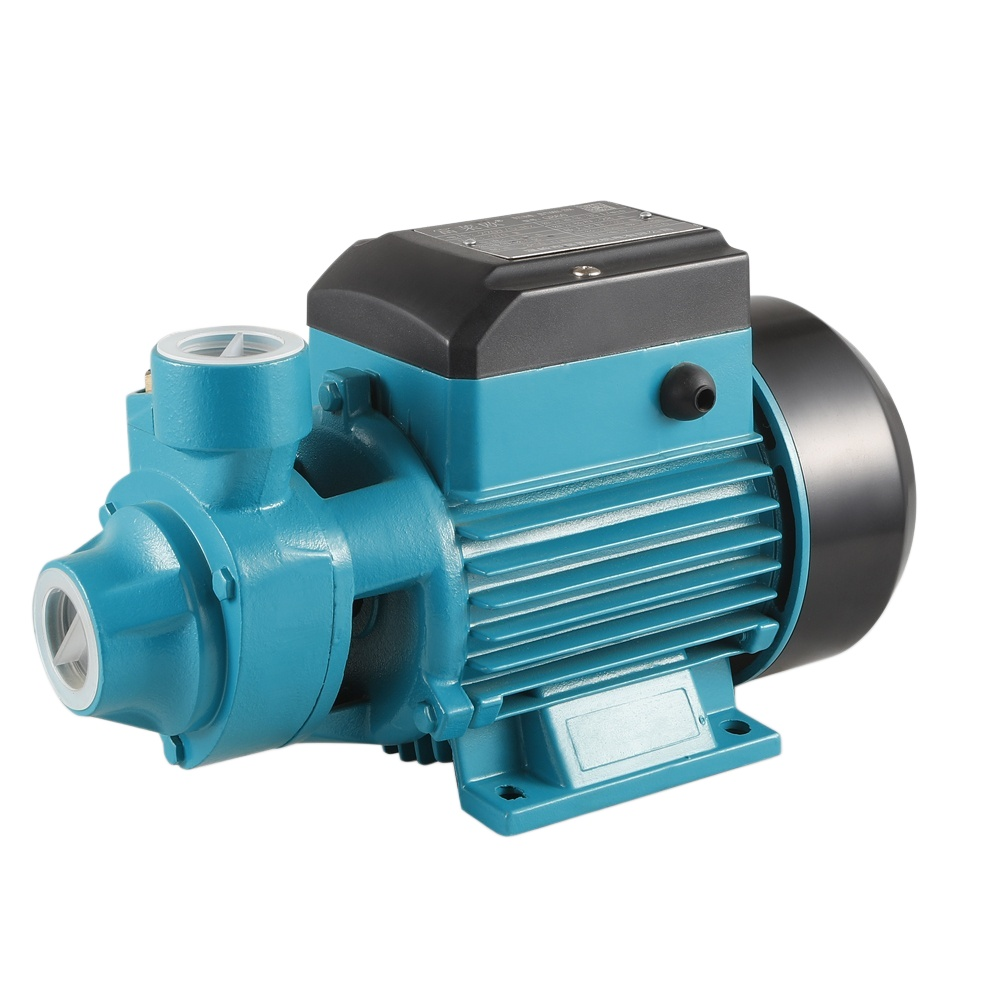
Maintaining a crystal-clear, hygienic, and inviting swimming pool relies fundamentally on continuous, efficient water circulation and filtration. Drawing from practical field experience in residential and commercial pool maintenance installations executed by Flyaway technicians, improper water turnover is the primary root cause of algae proliferation, cloudy water, and persistent chemical imbalance. When water remains stagnant in various uncirculated zones of the pool basin, organic debris settles rapidly and chemical sanitizers fail to distribute uniformly across the entire body of water. Selecting the correct swimming pool pump directly resolves this hydraulic challenge by ensuring that the entire volume of pool water passes through the filtration system within a specified turnover period—typically every four to six hours depending on bather load, pool dimensions, and local environmental conditions. Unlike undersized or mismatched equipment, a properly sized swimming pool pump moves water steadily through skimmers, main drains, and sand or cartridge filters without creating excessive pipeline turbulence or mechanical cavitation. By understanding your pool's total water capacity, pipe friction losses, and system resistance, you establish a strong foundation for selecting a durable, high-performing mechanical unit that keeps your pool water pristine and safe for all swimmers.
From an engineering and technical evaluation perspective, choosing a swimming pool pump requires careful analysis of flow rates measured in gallons per minute (GPM) or cubic meters per hour, matched precisely against total dynamic head (TDH) resistance. According to authoritative swimming pool engineering manuals and fluid dynamics guidelines, attempting to install an excessively high-horsepower motor without considering pipe diameter and filter capacity leads to premature mechanical wear and wasted electrical energy. When reviewing equipment specifications provided by manufacturers like Flyaway on cgopump.com, certified technicians strongly emphasize selecting units featuring corrosion-resistant thermoplastic housings, robust thermal overload protection, and high-efficiency copper-wound motors designed specifically for continuous outdoor operation. Furthermore, modern swimming pool pump designs incorporate advanced variable-speed capabilities or dual-voltage options, allowing property owners to adjust operational RPMs based on specific filtration demands. Lower speed settings drastically reduce electricity consumption during standard 24-hour filtration cycles while maintaining optimal skimming action, whereas higher speeds can be engaged selectively for backwashing media filters or operating automatic pool cleaners efficiently.
Proper physical installation and electrical integration of a swimming pool pump are critical for long-term operational safety and equipment longevity in demanding aquatic environments. Field installation case studies demonstrate that positioning the unit on a solid, level concrete pad located as close to the pool water level as possible significantly minimizes suction lift demands and priming friction during initial startup. Professional pool installers recommend installing full-port unions and isolation valves on both the suction and discharge sides of the swimming pool pump to facilitate routine strainer basket cleaning and seasonal winterization without draining the entire residential or commercial plumbing system. Because pool equipment operates in wet, outdoor environments, electrical connections must strictly comply with local electrical codes, utilizing waterproof conduit, proper bonding wires, and ground-fault circuit interrupter (GFCI) protection. Furthermore, ensuring adequate ventilation around the motor housing prevents thermal overheating during peak summer operation, directly preserving internal bearings and mechanical shaft seals for years of dependable service.
Ensuring long-term reliability, durability, and energy efficiency is paramount for any residential or commercial aquatic installation. Industry standards and technical evaluations highlight that a well-maintained swimming pool pump contributes significantly to overall system economy by reducing daily power consumption and extending the lifespan of connected filtration equipment. Transparency in operational data shows that regular inspection of the pump's hair and lint strainer basket prevents debris from clogging the internal impeller, thereby preserving peak hydraulic efficiency throughout the equipment lifecycle. Flyaway emphasizes strict adherence to these practical maintenance protocols, ensuring that property users enjoy dependable performance, crystal-clear water quality, and minimized utility waste year after year. Routine checks of pressure gauges on the filter tank also help operators identify when backwashing or cartridge cleaning is necessary, preventing back-pressure spikes that strain the swimming pool pump motor unnecessarily.
In conclusion, choosing the right swimming pool pump is a vital decision that directly dictates the clarity, cleanliness, and overall health of your swimming environment. By combining professional engineering insights, robust material selection, and adherence to realistic operational expectations, pool owners can achieve reliable water purification and superior daily convenience. Whether upgrading an older single-speed system or installing equipment for a newly constructed pool, selecting a precision-engineered swimming pool pump from Flyaway provides the ideal balance of hydraulic performance, durability, and energy efficiency. Always consult certified pool plumbing professionals to perform accurate pool volume calculations, ensure correct pipe sizing, and verify compliance with local safety standards, thereby safeguarding your aquatic investment for many seasons to come.
2026/09/08
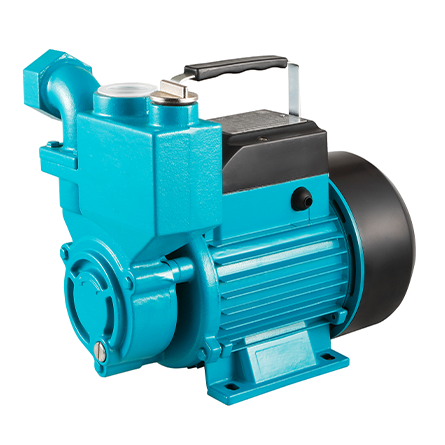
Discover efficient domestic water pump solutions by Flyaway. Improve residential water pressure, ensure steady flow, and optimize home utility today.
2026/09/08
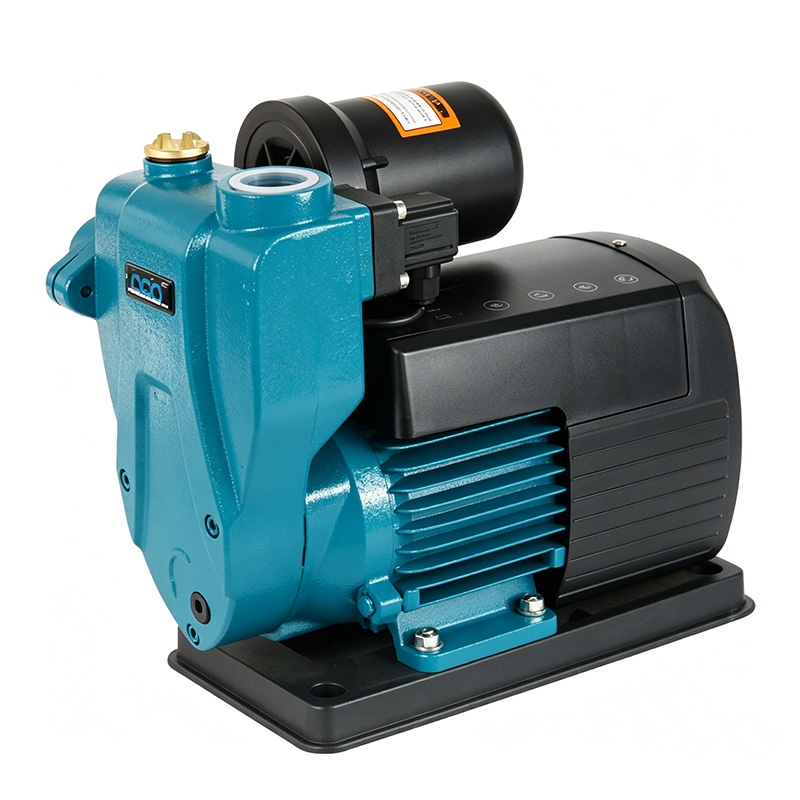
Discover key benefits of using self priming pumps for industrial fluid transfer. Learn how Flyaway solutions improve efficiency and reduce maintenance costs.
2026/09/08
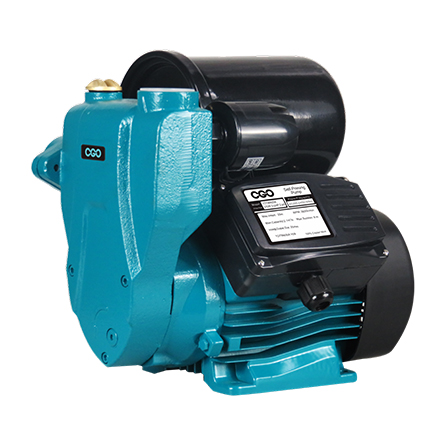
Discover how to choose the right constant pressure water pump with VFD. Learn key hydraulic parameters, energy-saving benefits, and expert tips by Flyaway.
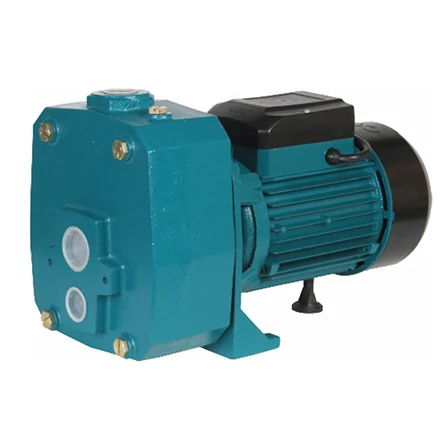
2026/09/08
Discover what a jet pump is and its key uses in residential water supply, agricultural irrigation, and deep well extraction. Learn more with Flyaway.
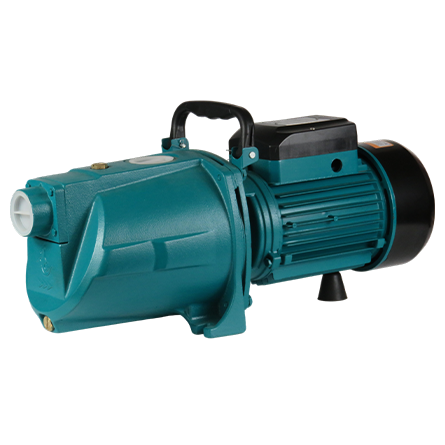
2026/09/08
Discover why high-performance agri pumps are essential for modern crop irrigation systems. Learn expert selection tips and boost farm efficiency
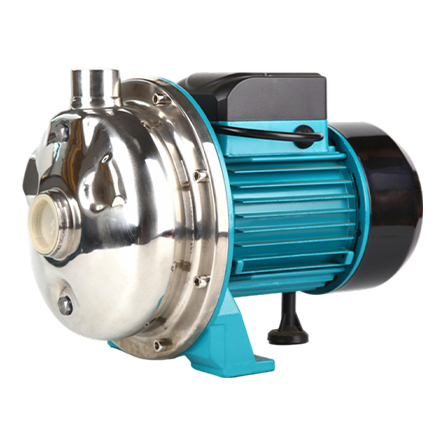
2026/09/08
Discover expert tips on choosing the right clean water pump for your facility. Learn about flow rates, motor specs, and maintenance with Flyaway.
