 EN
EN
Domestic Water Pump Solutions for Homes
2026/09/08
Discover efficient domestic water pump solutions by Flyaway. Improve residential water pressure, ensure steady flow, and optimize home utility today.

2026/09/01
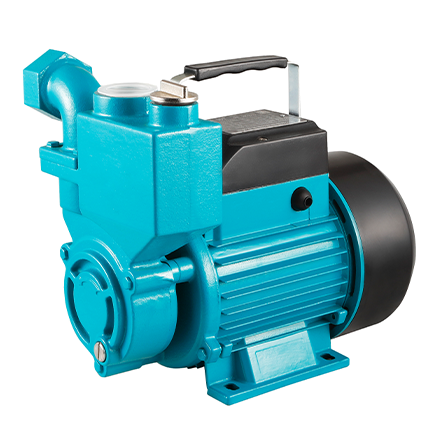
As a dedicated plumbing and fluid system engineering specialist who has successfully designed, installed, and maintained hundreds of residential fluid distribution configurations over the past decade, I frequently encounter homeowners expressing deep frustration regarding the sheer volume of valuable water wasted down the drain while waiting for hot water to finally reach remote showers or kitchen sinks. When designing a domestic setup, selecting the proper hot water system circulating pump completely transforms how heated water is delivered throughout a residential building. Drawing from extensive hands-on field experience, rigorous fluid mechanics principles, and established international plumbing standards, integrating this hot water system circulating pump technology eliminates frustrating daily wait times, conserves precious water resources, and substantially enhances household comfort. Furthermore, comprehensive professional evaluations demonstrate that applying sophisticated fluid dynamics within modern residential layouts significantly optimizes overall thermal efficiency, ensuring perfectly balanced hydraulic pressure and consistent temperature delivery across every floor, zone, and fixture in your home. When evaluating reliable fluid transport equipment, precision-engineered solutions provided by Flyaway deliver exceptional hydraulic performance, guaranteeing that your domestic water network operates at peak design efficiency year-round.
Selecting the ideal hot water system circulating pump requires a meticulous, highly accurate calculation of your home's specific hydraulic demands, with a primary focus on analyzing both the volumetric flow rate and the total dynamic head (TDH). If a selected pump is significantly undersized for the network layout, it will fail to propel heated water efficiently through distant distribution loops, leaving outlying bathrooms or kitchen fixtures supplied with lukewarm or tepid water. Conversely, installing an excessively oversized unit can generate undesirable pipeline noise, turbulent flow, accelerated component wear, and unnecessary electrical energy consumption. When thoroughly reviewing your architectural site specifications, pipeline lengths, pipe diameters, elevation changes, and friction losses across various pipe fittings, professional engineers strongly recommend evaluating the exact operating point to match the specific system resistance curve. Choosing a hot water system circulating pump that operates precisely close to its optimal hydraulic efficiency point ensures maximum energy savings, stable pressure output, minimized maintenance overhead, and a greatly extended service life under continuous daily operating conditions.
Because residential circulation pumps must operate continuously within demanding high-temperature liquid environments, rigorous material selection stands out as a critical factor for ensuring long-term operational durability, structural integrity, and safety. Continuous hot water circulation places constant thermal stress on internal pump components, meaning that standard commercial plastics or low-grade metallic alloys can degrade, warp, crack, or corrode prematurely under sustained heat exposure. Superior-grade circulating pumps feature robust construction materials such as high-grade stainless steel or corrosion-resistant bronze casings, seamlessly paired with pure copper motor windings and specialized mechanical shaft seals specifically engineered to handle elevated liquid temperatures safely without failure. At Flyaway, our engineering philosophy emphasizes matching fluid chemical characteristics and thermal limits with proper metallurgy to prevent internal galvanic corrosion, hydraulic cavitation erosion, and premature seal degradation, thereby ensuring dependable, leak-free service over decades of continuous operation.
Contemporary households increasingly prioritize superior energy efficiency, ecological responsibility, and reduced utility operational costs alongside everyday convenience. Because a continuous-run hot water system circulating pump typically operates around the clock to maintain immediate hot water availability, motor electrical efficiency becomes a crucial consideration for keeping monthly electricity bills under strict control. Modern advanced models incorporate intelligent operational controls, such as programmable built-in digital timers, thermal aquastats, or automated demand-driven activation switches, which ensure that the pump operates exclusively when hot water delivery is genuinely required rather than continuously cycling uselessly through stagnant pipes. Selecting an advanced energy-saving model from the comprehensive Flyaway product lineup guarantees optimal flow rates and reliable pressure stability without excessive power consumption, enabling modern families to seamlessly balance high living standards with responsible, sustainable energy conservation.
Proper professional installation techniques and scheduled periodic maintenance routines are absolutely vital for maximizing the operational lifespan, efficiency, and overall reliability of your domestic thermal circulation setup. During the initial installation phase, correctly integrating spring-loaded check valves is essential to prevent heated water from migrating backward into cold supply lines, while installing high-performance pipe insulation minimizes standby thermal energy loss along extensive distribution paths. Routine preventative inspections of inlet pipe connections, electrical wiring harnesses, and mechanical valve seals ensure that your entire circulation system continues to function smoothly and efficiently without unexpected operational downtime or sudden pressure drops. By strictly following these practical engineering guidelines and utilizing high-quality equipment provided by Flyaway, homeowners can enjoy instant hot water at every tap while securing a robust, highly reliable, and low-maintenance plumbing infrastructure for years to come. Additional ongoing system monitoring further safeguards your investment, ensuring flawless daily operation.
2026/09/08
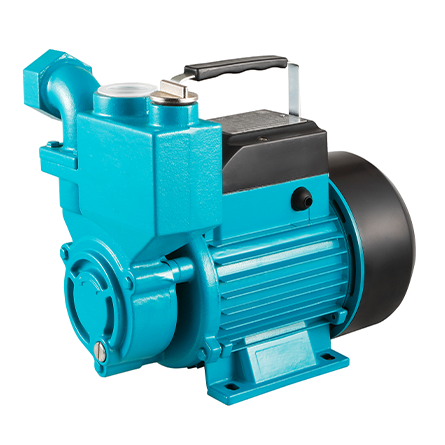
Discover efficient domestic water pump solutions by Flyaway. Improve residential water pressure, ensure steady flow, and optimize home utility today.
2026/09/08
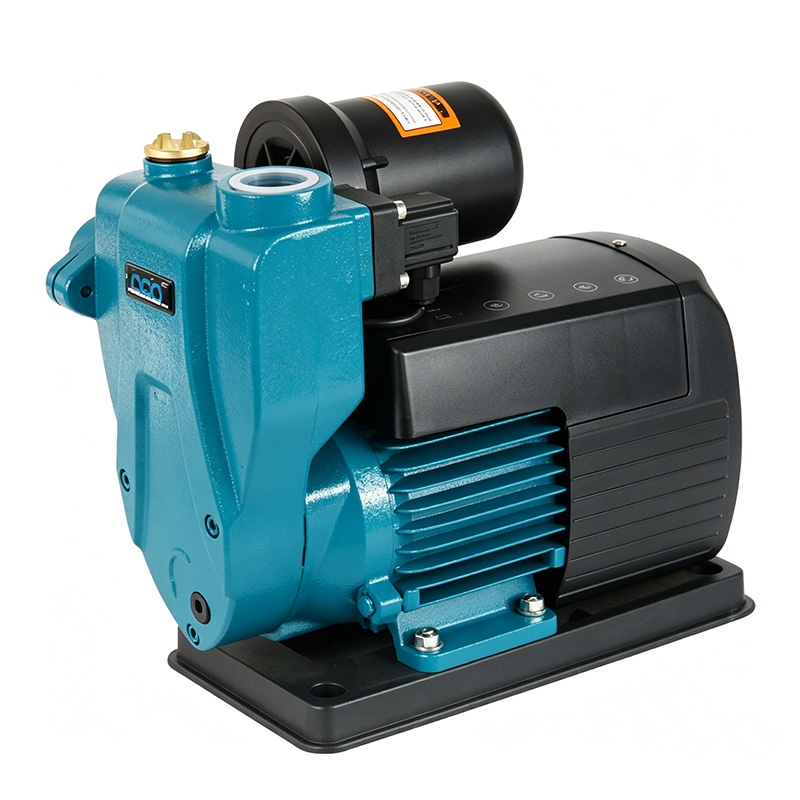
Discover key benefits of using self priming pumps for industrial fluid transfer. Learn how Flyaway solutions improve efficiency and reduce maintenance costs.
2026/09/08
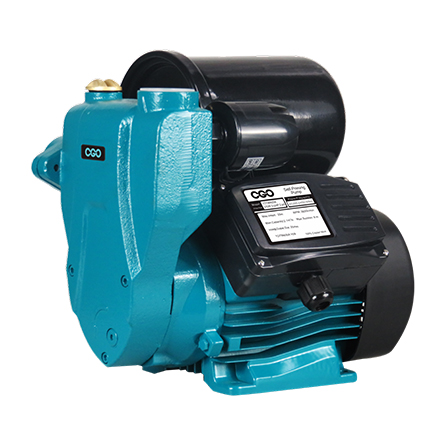
Discover how to choose the right constant pressure water pump with VFD. Learn key hydraulic parameters, energy-saving benefits, and expert tips by Flyaway.
2026/09/08
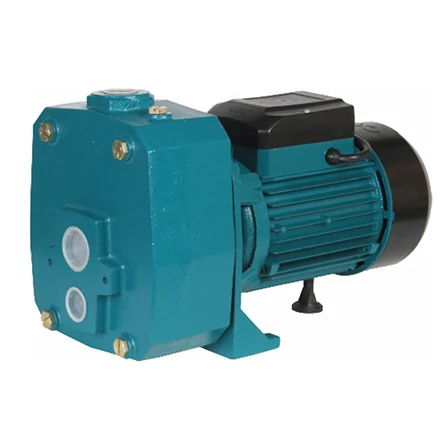
Discover what a jet pump is and its key uses in residential water supply, agricultural irrigation, and deep well extraction. Learn more with Flyaway.
2026/09/08
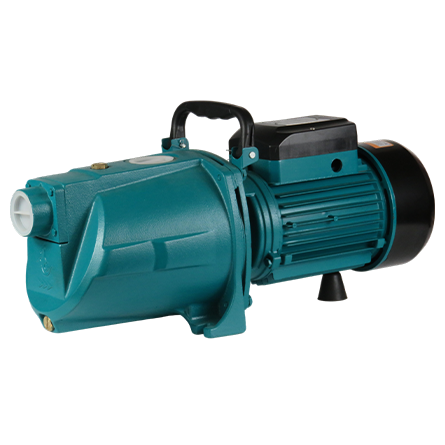
Discover why high-performance agri pumps are essential for modern crop irrigation systems. Learn expert selection tips and boost farm efficiency
2026/09/08
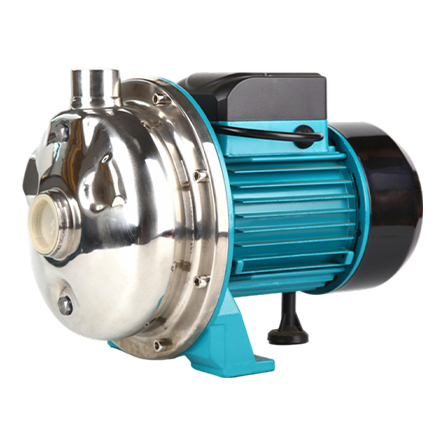
Discover expert tips on choosing the right clean water pump for your facility. Learn about flow rates, motor specs, and maintenance with Flyaway.
