 EN
EN
Domestic Water Pump Solutions for Homes
2026/09/08
Discover efficient domestic water pump solutions by Flyaway. Improve residential water pressure, ensure steady flow, and optimize home utility today.

2026/08/26
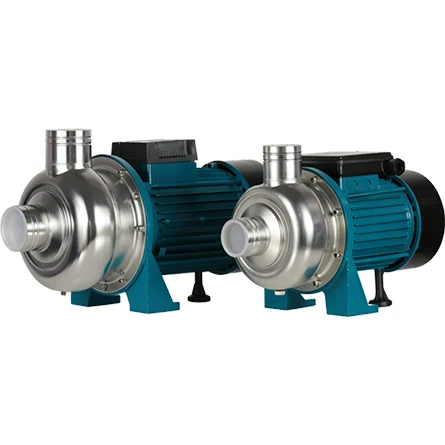
When industrial engineers, facility managers, and commercial system operators evaluate fluid transfer solutions, understanding how to choose a centrifugal pump is essential for achieving optimal hydraulic performance and long-term system reliability. In modern industrial and commercial fluid management, moving water, chilled liquids, and processing chemicals efficiently across large manufacturing facilities relies heavily on rotational kinetic energy provided by an advanced motor-driven impeller. Based on practical engineering insights and field deployments at Flyaway, a high-efficiency centrifugal pump serves as the foundational backbone for continuous water supply, HVAC circulation, and heavy industrial processing loops. Unlike positive displacement equipment, a standard centrifugal pump utilizes centrifugal force generated by high-speed impeller rotation to impart velocity to the liquid, subsequently converting that velocity into pressure within a volute casing to drive fluid seamlessly through complex pipeline networks and distribution headers.
One of the most critical steps in selecting the correct equipment involves analyzing hydraulic performance metrics, specifically volumetric flow rate and total dynamic head (TDH). Selecting a centrifugal pump without carefully calculating the system resistance curve and vertical lift requirements frequently leads to severe cavitation, excessive vibration, cavitation damage, or premature mechanical wear. When reviewing your site specifications, engineers at Flyaway recommend evaluating the exact operating point where the system resistance curve intersects the pump performance curve to identify the Best Efficiency Point (BEP). Choosing a centrifugal pump that operates close to its BEP ensures maximum energy savings, stable hydraulic output, minimized maintenance overhead, and extended service life under continuous industrial operating conditions across diverse manufacturing facilities.
Liquid properties play a decisive role in determining the appropriate materials of construction and mechanical seal configurations required for long-term operational durability. When evaluating how to choose a centrifugal pump, plant operators must assess fluid viscosity, corrosive properties, solid particle content, and operating temperature ranges across various processing stages. While clean water and low-viscosity liquids move effortlessly through a standard centrifugal pump, handling abrasive slurries, viscous chemicals, or high-temperature liquids requires specialized impellers, heavy-duty shafts, and chemical-resistant stainless steel alloys. At Flyaway, we emphasize matching fluid characteristics with proper metallurgy to prevent internal corrosion, hydraulic erosion, and premature seal degradation, ensuring that your centrifugal pump delivers dependable, leak-free service across demanding industrial applications.
Electrical reliability and motor sizing are paramount considerations when integrating fluid transfer hardware into plant distribution networks and commercial utility rooms. A premium centrifugal pump is typically driven by an induction motor or an inverter-duty variable-speed motor designed to match the required horsepower, frequency, and voltage specifications of your facility. Furthermore, evaluating drive configurations—such as close-coupled designs for compact installations or frame-mounted setups for heavy-duty industrial duties—determines how smoothly the centrifugal pump operates under fluctuating load demands. At Flyaway, we advise checking electrical supply compatibility, proper amperage ratings, and enclosure protection standards to guarantee that your chosen centrifugal pump operates safely, efficiently, and autonomously without unexpected electrical faults or thermal overloads.
The impeller is the absolute heart of any centrifugal pump, and selecting the correct impeller design directly dictates energy conversion efficiency and solid-handling capabilities. Open impellers work exceptionally well for fluids containing suspended solids, while closed impellers provide maximum efficiency for clean liquids. When reviewing our product lineup at Flyaway, we evaluate how specific impeller trims affect the overall performance of the centrifugal pump to meet exact pressure and volume targets. Proper impeller selection minimizes internal recirculation losses and prevents clogging. Matching the right hydraulic geometry to your fluid type guarantees long-term operational reliability and optimized power consumption across all operational cycles.
Operational continuity depends heavily on the mechanical integrity and ease of maintenance associated with your chosen centrifugal pump. Industrial operators must consider bearing life, shaft deflection limits, and the availability of replacement wear parts to minimize total cost of ownership. At Flyaway, we design every centrifugal pump with accessibility in mind, facilitating routine inspections and rapid seal replacements to keep facility downtime to an absolute minimum. Selecting a durable, high-quality pump reduces ongoing maintenance overhead and secures consistent productivity. By investing time in careful selection today, your facility will achieve years of dependable fluid transfer performance.
Beyond immediate fluid transfer capabilities and hydraulic performance, modern facility managers must also evaluate the long-term energy efficiency and operating costs associated with their pumping systems. Advanced engineering designs integrated into a high-performance centrifugal pump optimize electricity consumption while delivering maximum volumetric output during peak operational cycles. By choosing energy-efficient motors and precision-engineered hydraulic components from Flyaway, industrial operators can significantly reduce utility expenditures over the equipment lifespan while maintaining uncompromising reliability and robust protection against unexpected system downtime.
2026/09/08
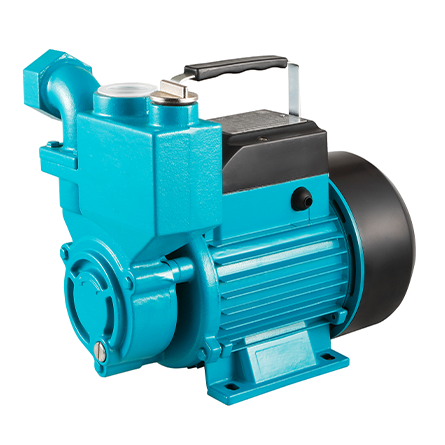
Discover efficient domestic water pump solutions by Flyaway. Improve residential water pressure, ensure steady flow, and optimize home utility today.
2026/09/08
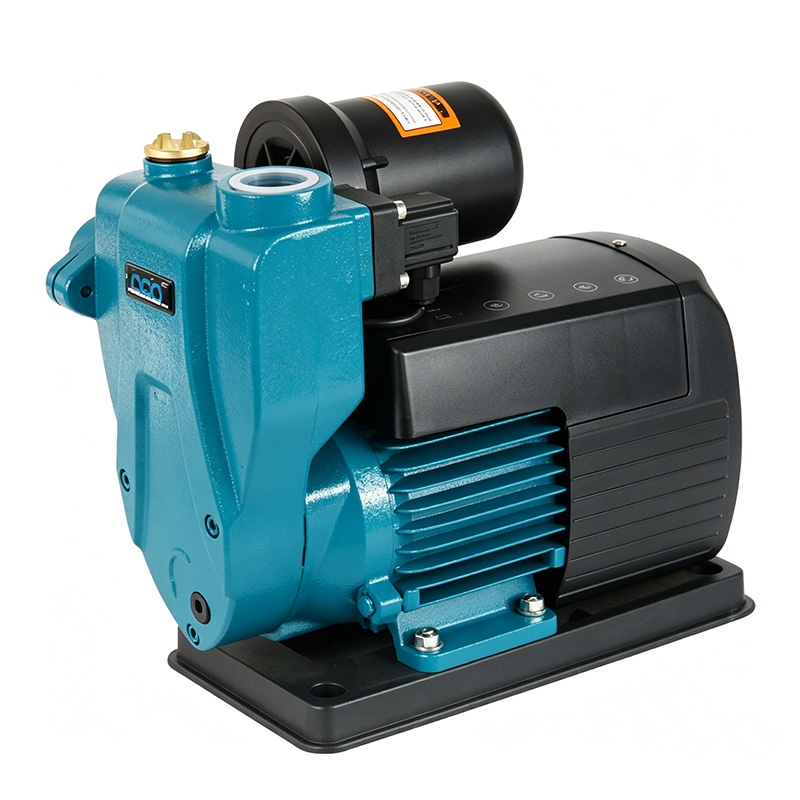
Discover key benefits of using self priming pumps for industrial fluid transfer. Learn how Flyaway solutions improve efficiency and reduce maintenance costs.
2026/09/08
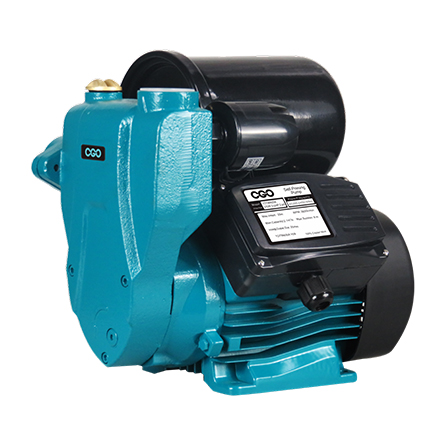
Discover how to choose the right constant pressure water pump with VFD. Learn key hydraulic parameters, energy-saving benefits, and expert tips by Flyaway.
2026/09/08
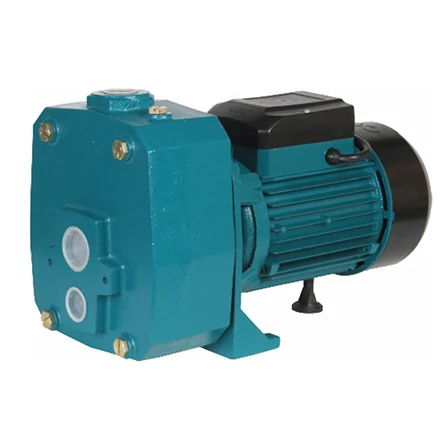
Discover what a jet pump is and its key uses in residential water supply, agricultural irrigation, and deep well extraction. Learn more with Flyaway.
2026/09/08
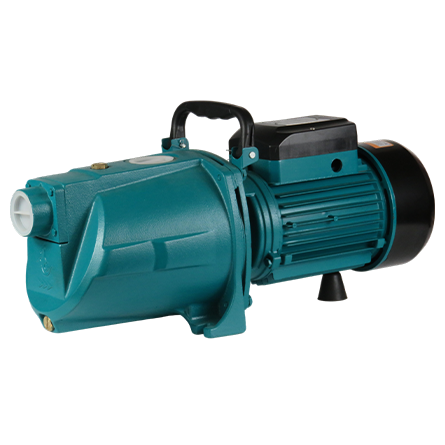
Discover why high-performance agri pumps are essential for modern crop irrigation systems. Learn expert selection tips and boost farm efficiency
2026/09/08
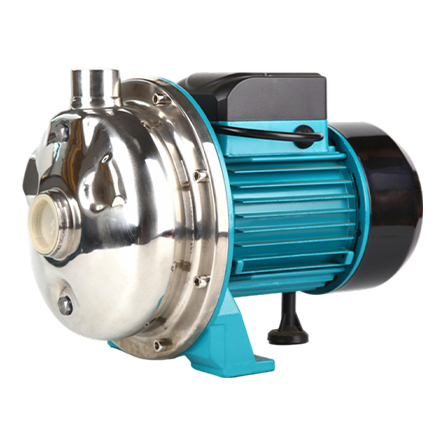
Discover expert tips on choosing the right clean water pump for your facility. Learn about flow rates, motor specs, and maintenance with Flyaway.
