 EN
EN
Domestic Water Pump Solutions for Homes
2026/09/08
Discover efficient domestic water pump solutions by Flyaway. Improve residential water pressure, ensure steady flow, and optimize home utility today.

2026/08/21
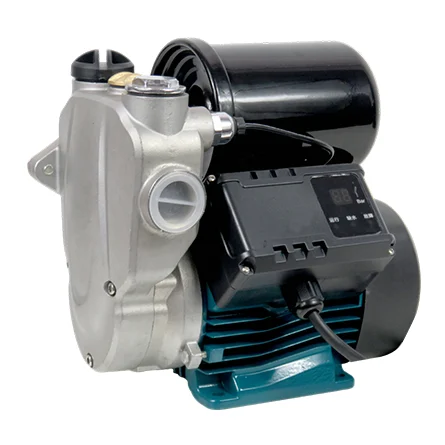
Every single homeowner and family resident deserves a refreshing, invigorating, and deeply relaxing bathing experience after a long, exhausting day of work, yet countless households struggle daily with weak, trickling, and entirely unsatisfactory water flow from their bathroom showerheads. This frustrating everyday household issue typically stems from gravity-fed water supply systems, multi-story residential plumbing structural elevations, or inadequate municipal water supply mains that fail to meet contemporary household demands. When standard bathroom fixtures and shower installations fail to deliver an acceptable spray pattern or adequate volumetric flow, installing a specialized shower water pump becomes the most practical, direct, and efficient engineering solution available to property owners seeking immediate relief. A professional shower water pump is specifically engineered to increase overall water velocity and volumetric delivery, transforming a miserable, thin trickle into a powerful, luxurious, and spa-like shower experience right in the comfort of your own home. For residential property owners looking to resolve chronic household water pressure problems without undertaking massive, disruptive, and expensive pipe replacement overhauls throughout their walls, understanding the proper selection, technical assessment, and correct deployment of a reliable shower water pump is absolutely essential. By integrating a high-performance shower water pump into your existing domestic plumbing layout, you can instantly restore optimal water pressure, consistent flow rates, and peak performance to all your household bathroom fixtures.
To fully appreciate how a high-quality shower water pump functions seamlessly within a residential environment, it helps to examine its sophisticated internal mechanical architecture and fluid hydraulic operation in detail. Most modern residential booster systems utilize either centrifugal or regenerative impeller designs enclosed securely within a compact, corrosion-resistant, and durable housing. When activated by an integrated electronic flow switch—which detects the precise, immediate moment you open your bathroom faucet or turn on your shower valve—the electric motor of the shower water pump spins rapidly to accelerate water movement through the internal pipeline channels. This precise mechanical action dramatically increases the dynamic head pressure and kinetic energy inside your domestic water supply lines, forcing water upward and outward with impressive force. Furthermore, a well-engineered shower water pump features intelligent microcomputer sensors that actively regulate motor speed and operating torque, ensuring smooth, surge-free, and consistent pressure delivery every single time you step into the shower. Unlike older, notoriously noisy legacy pump models from decades past, a modern shower water pump operates remarkably quietly in the background, making it completely unobtrusive within everyday residential living environments. Properly matching the rated flow rate, maximum head pressure capacity, and electrical specifications of your chosen shower water pump to your specific household plumbing capacity ensures seamless mechanical integration and long-lasting durability.
Before purchasing, mounting, or installing any residential shower water pump, conducting a thorough, professional inspection of your existing domestic plumbing infrastructure is mandatory for system success. Professional plumbers and hydraulic engineering experts always advise evaluating whether your home utilizes a positive head system or a negative head system, as this critical technical distinction dictates the exact, non-negotiable type of shower water pump required for your specific setup. For instance, if your primary household water storage tank, cold water cylinder, or header tank sits significantly higher than your bathroom shower outlet, a positive head shower water pump will operate efficiently using natural gravity flow to trigger automatic motor activation. Conversely, if your bathroom showerhead is level with or positioned higher than the cold water cistern, water tank, or water heater, a specialized negative head shower water pump equipped with built-in pressure sensors, accumulators, and expansion vessels is absolutely necessary to initiate pumping and overcome static backpressure. Checking existing pipe diameters, shut-off valve conditions, elbow configurations, and electrical safety connections prior to mounting your shower water pump prevents premature mechanical failure, eliminates operational cavitation, and guarantees optimal hydraulic performance throughout your entire home water network.
Successful deployment, mounting, and installation of a residential shower water pump requires careful, meticulous adherence to manufacturer technical specifications, local plumbing codes, and rigorous electrical safety standards. First, locate the main water supply lines feeding your bathroom and shut off the water cleanly and completely to prevent accidental flooding, structural water damage, or pipeline contamination during the physical setup process. Next, position your shower water pump on a stable, flat, and vibration-damped surface near your water heater, hot water cylinder, or main distribution manifold, ensuring adequate clearance and ventilation around the motor housing to prevent thermal buildup during extended operation. Use flexible, high-grade, reinforced anti-vibration hoses to connect both the inlet and outlet ports of the shower water pump, as rigid, direct copper piping can transmit operational motor noise and cause severe vibration stress fractures over time. Wire the electrical connections carefully, professionally, and securely, ensuring proper equipment grounding, watertight junction boxes, and complete compatibility with local household voltage standards. Once all mechanical joints and electrical connections are thoroughly secured, slowly reopen the main water supply valves, bleed any trapped air pockets completely from the internal pump chamber, and test your newly installed shower water pump by turning on the shower fixture.
Once your shower water pump is fully operational and successfully integrated into your daily household routine, establishing a simple, proactive maintenance schedule will safeguard your financial investment and significantly extend equipment lifespan. Although modern units are rigorously built and factory-tested to withstand continuous residential use, periodic checks of the inlet strainers and sediment filters prevent limescale deposits, mineral debris, and pipeline rust flakes from clogging the delicate impeller housing. Inspecting the electrical supply cables, waterproof conduit fittings, and rubber vibration seals of your shower water pump on a scheduled annual basis ensures that moisture ingress, electrical fatigue, or normal environmental wear does not compromise household electrical safety. If your local municipal water region experiences hard water conditions characterized by high mineral content, running a gentle, approved, and non-corrosive descaling solution through the plumbing circuit during scheduled servicing keeps the internal components of the shower water pump running smoothly. By taking these proactive, preventative maintenance measures and promptly addressing minor performance drops, homeowners can ensure that their shower water pump delivers consistent, high-pressure performance and reliability for many years.
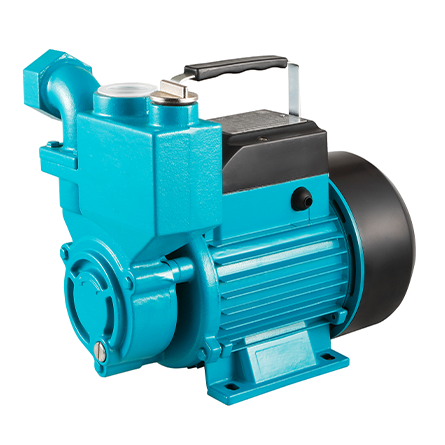
2026/09/08
Discover efficient domestic water pump solutions by Flyaway. Improve residential water pressure, ensure steady flow, and optimize home utility today.
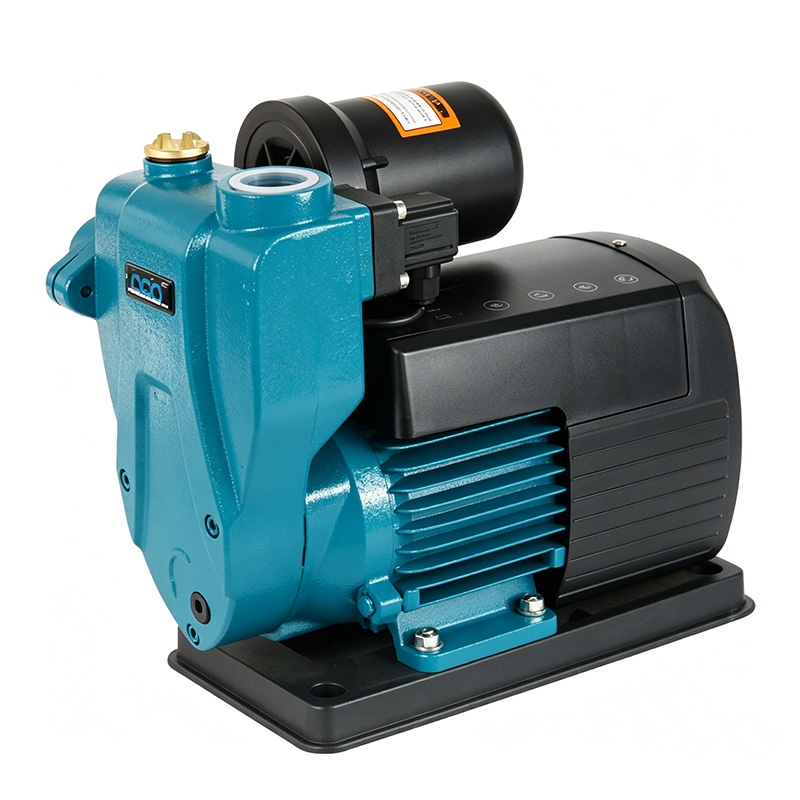
2026/09/08
Discover key benefits of using self priming pumps for industrial fluid transfer. Learn how Flyaway solutions improve efficiency and reduce maintenance costs.
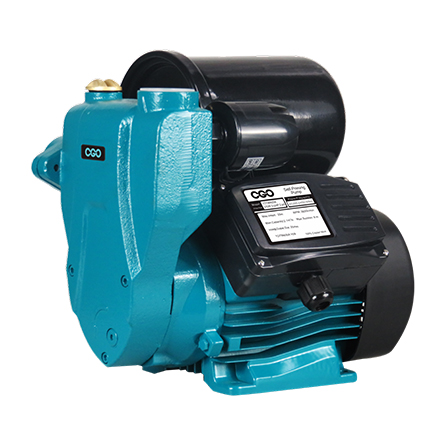
2026/09/08
Discover how to choose the right constant pressure water pump with VFD. Learn key hydraulic parameters, energy-saving benefits, and expert tips by Flyaway.
2026/09/08
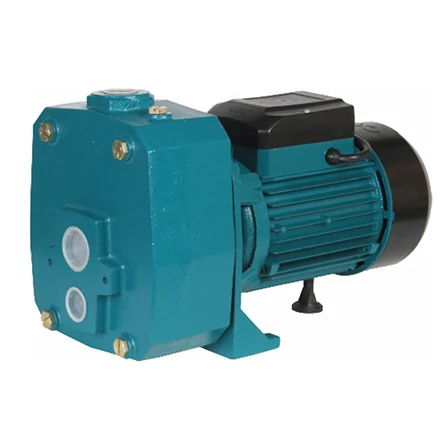
Discover what a jet pump is and its key uses in residential water supply, agricultural irrigation, and deep well extraction. Learn more with Flyaway.
2026/09/08
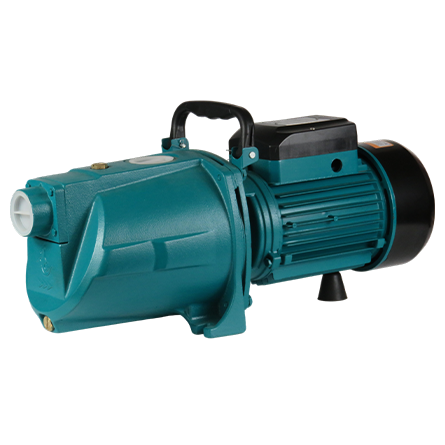
Discover why high-performance agri pumps are essential for modern crop irrigation systems. Learn expert selection tips and boost farm efficiency
2026/09/08
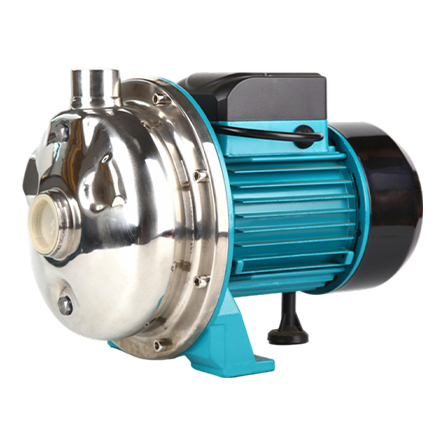
Discover expert tips on choosing the right clean water pump for your facility. Learn about flow rates, motor specs, and maintenance with Flyaway.
