 EN
EN
Domestic Water Pump Solutions for Homes
2026/09/08
Discover efficient domestic water pump solutions by Flyaway. Improve residential water pressure, ensure steady flow, and optimize home utility today.

2026/08/22
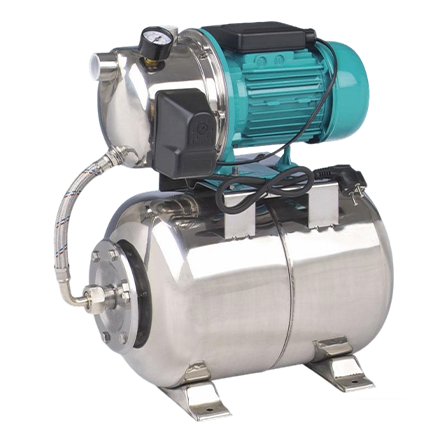
When maintaining a clear and healthy swimming pool, selecting the right equipment is paramount to the overall enjoyment and safety of your outdoor space. Many pool owners often underestimate the critical role played by the main circulation component: the swimming pool pump. It serves as the heart of your pool's entire circulation system, continuously responsible for moving water through filters, heaters, and chemical dispensers to keep it sparkling clean. An incorrectly sized swimming pool pump can lead to significant problems, such as inefficient water circulation, unexpectedly high energy costs, and a shortened lifespan for your expensive filtration equipment. Choosing an appropriate swimming pool pump is not just about raw power; it is about finding the delicate balance between the required flow rate and the specific volume requirements of your unique residential pool environment. Experience has shown that taking the time to calculate these needs correctly prevents many common maintenance headaches down the road. Every single swimming pool pump should be selected based on individual pool dynamics and manufacturer recommendations.
At its core, a swimming pool pump operates by creating a pressure differential that pulls water from the pool and pushes it through the filtration system before returning it to the pool basin. The primary function of any high-quality swimming pool pump is to cycle the entire volume of pool water through the filter at least once, or preferably twice, daily, depending on local climate conditions and pool usage intensity. If you inadvertently choose a swimming pool pump that is too small, your filter simply will not be able to effectively remove debris, oils, and microscopic contaminants, leading to cloudy or stagnant water. Conversely, an oversized swimming pool pump may force water through the filter at an excessive speed, reducing the actual filtration efficiency and creating unnecessary, loud turbulence. This turbulence is not only annoying for swimmers but is also detrimental to the overall water treatment process, as it prevents chemical sanitizers from circulating properly.
To determine the ideal swimming pool pump for your residential needs, you must first calculate your pool's total volume in gallons or cubic meters accurately. Once you have this total volume, you need to calculate the required flow rate to ensure optimal performance. In the industry, the standard for residential pools is to have the total volume of water turned over within 8 to 12 hours. For example, if your pool holds 20,000 gallons, you need a swimming pool pump capable of moving approximately 2,000 to 2,500 gallons per hour. Keep in mind that the performance of your swimming pool pump will be directly affected by the diameter of your plumbing and the physical distance of the equipment pad from the pool itself. A larger pipe diameter generally allows for better water flow with less resistance, which significantly enhances the overall efficiency of your circulation system.
When evaluating which specific swimming pool pump to install, you must carefully account for the total dynamic head (TDH). TDH refers to the cumulative resistance your swimming pool pump encounters, which is determined by the total length of the plumbing, the number of pipe fittings, and the specific type of filter you are utilizing. A more complex plumbing system characterized by many elbows and long pipe runs will naturally require a more capable swimming pool pump to maintain the necessary flow rate to keep the water clear. You should always inspect your existing filtration system thoroughly before purchase, as matching the swimming pool pump to the filter's capacity is absolutely essential to prevent dangerous pressure buildup and potential leaks that can easily damage your entire hydraulic system over time. Professional installers often emphasize that the path of least resistance is the best path for water.
In modern residential settings, energy efficiency has become a crucial factor for many homeowners looking to reduce utility bills. Utilizing advanced technology, such as the high-efficiency motor designs found in our latest products, allows you to maintain optimal water circulation while consuming significantly less electrical power. When selecting a new swimming pool pump for your backyard, look for models that offer variable speed options, which allow you to tailor the output precisely to your specific needs at different times of the day. Our swimming pool pump designs prioritize both efficiency and long-term durability, ensuring that your residential pool remains clear, healthy, and inviting without incurring excessive electricity costs or requiring frequent, labor-intensive maintenance. By investing in efficient hardware today, you protect your pool environment and your budget for years to come.
Properly sizing your swimming pool pump is a major long-term investment in the health of your pool and the longevity of your costly mechanical equipment. Regularly checking your swimming pool pump system for debris in the leaf basket and ensuring that your intake lines are kept clear of blockages will keep your entire setup running efficiently for years. If you find yourself unsure about the specific volume or head-pressure requirements for your particular pool setup, always consult with a qualified professional to ensure your equipment selection is perfectly optimal. A well-selected swimming pool pump will save you significant money in the long run while providing the high-quality water circulation that your pool truly deserves, keeping it perfectly safe, clean, and enjoyable for your family every single summer day.
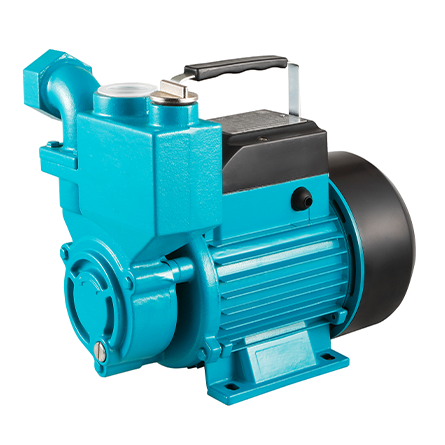
2026/09/08
Discover efficient domestic water pump solutions by Flyaway. Improve residential water pressure, ensure steady flow, and optimize home utility today.
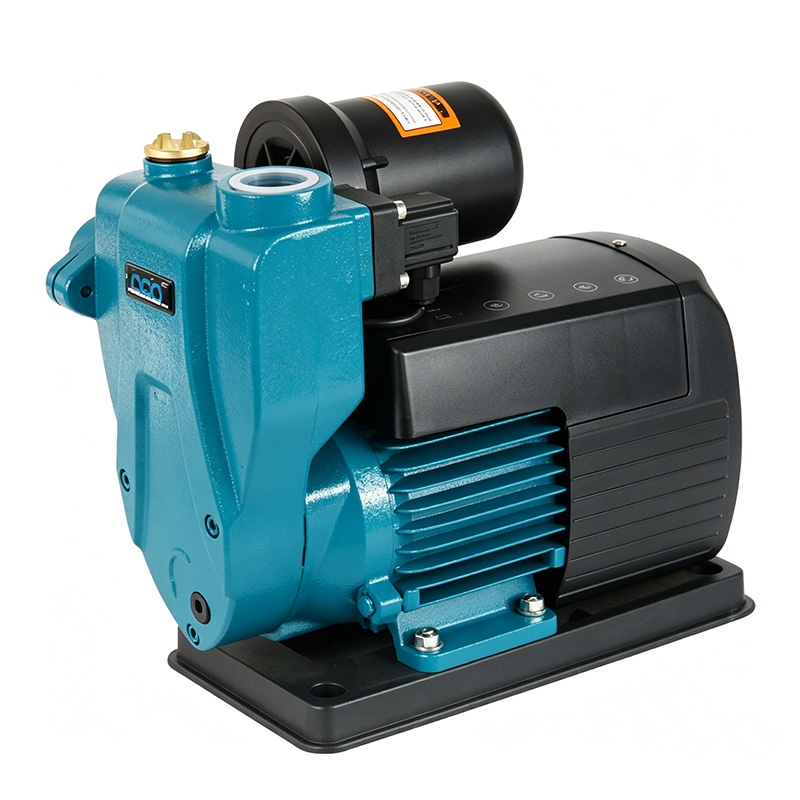
2026/09/08
Discover key benefits of using self priming pumps for industrial fluid transfer. Learn how Flyaway solutions improve efficiency and reduce maintenance costs.
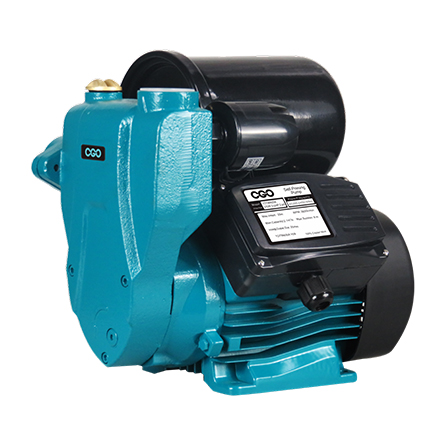
2026/09/08
Discover how to choose the right constant pressure water pump with VFD. Learn key hydraulic parameters, energy-saving benefits, and expert tips by Flyaway.
2026/09/08
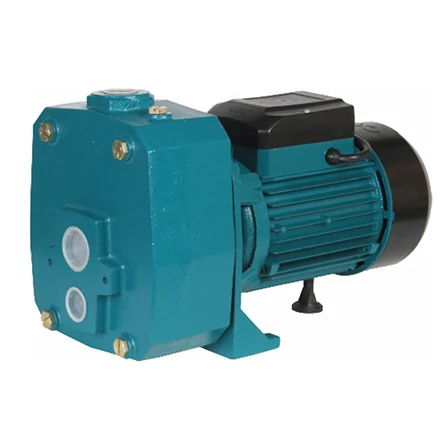
Discover what a jet pump is and its key uses in residential water supply, agricultural irrigation, and deep well extraction. Learn more with Flyaway.
2026/09/08
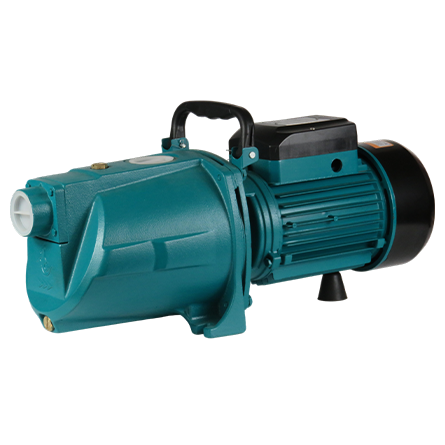
Discover why high-performance agri pumps are essential for modern crop irrigation systems. Learn expert selection tips and boost farm efficiency
2026/09/08
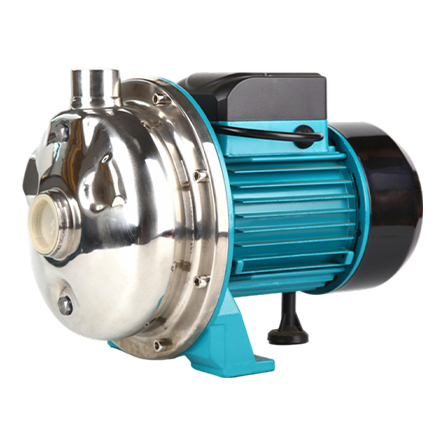
Discover expert tips on choosing the right clean water pump for your facility. Learn about flow rates, motor specs, and maintenance with Flyaway.
