
 EN
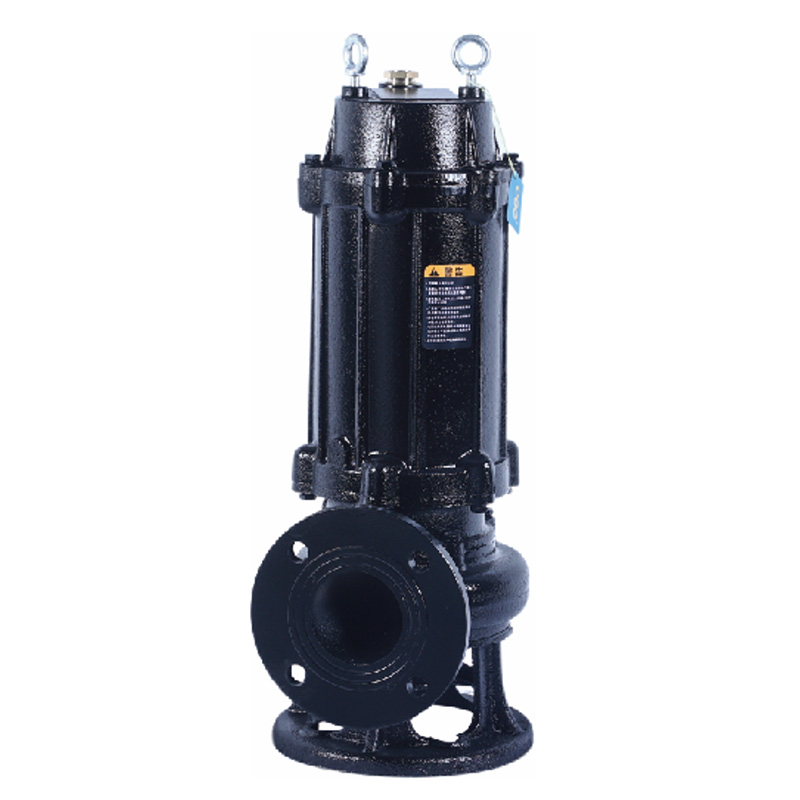
Choosing the Right Sewage Pump for Your Application
Selecting a reliable sewage pump is much less about finding the largest motor on the market and far more about matching the equipment precisely to your wastewater type, vertical lift, pipe run, power supply, and available installation space. A quality sewage pump moves raw wastewater safely from a sealed collection basin to a gravity sewer or septic connection when standard gravity drainage is simply not practical. Getting this choice right ensures quieter daily operations and straightforward long-term maintenance, whereas a poor selection frequently leads to premature clogging, short cycling, or an installation that completely fails to reach its intended duty point.
Experienced pump selection advisors always recommend starting with actual site conditions, calculating the exact duty point next, and only then comparing specific models. This order is critical because a higher horsepower sewage pump is not automatically the superior choice. In practice, an oversized unit often creates severe operating headaches if the system volume, electrical controls, or piping layout do not properly support it.
Determining Your Exact Pumping Needs
Never use the term sewage pump as a catch-all solution for every below-grade water management problem. A standard sump pump is built strictly to handle relatively clear groundwater. An effluent pump is intended exclusively for screened or settled wastewater without heavy solids. In contrast, a true sewage pump is engineered specifically for raw wastewater containing heavy suspended solids. The exact material entering the basin serves as your primary filter during the initial selection phase.
Carefully evaluate which fixtures discharge into the basin, whether wipes, grease, or fibrous waste may enter the line, and if the site has a realistic way to control what gets flushed. The solids-handling capability of your sewage pump must match the real-world application rather than a generic catalog label. For instance, a grinder-style unit and a standard non-clog solids-handling unit solve entirely different engineering problems and should never be treated as interchangeable options.
Calculating the Required Duty Point
A successful and reliable sewage pump installation begins with two essential numbers: required flow rate and total dynamic head. Flow rate is not simply the largest number printed in a product specification sheet. It depends directly on your connected fixtures, daily usage patterns, basin volume, and the hydraulic requirement to push solids through a long discharge line. Low flow in a poorly designed discharge pipe can allow heavy solids to settle out, which is why your minimum flow target must derive from a properly engineered layout and local plumbing codes.
Total dynamic head combines your vertical elevation lift with friction losses generated across pipes, fittings, valves, and horizontal runs. Always measure the vertical lift starting from the normal pump-on level inside the basin up to the final discharge destination. Many costly selection mistakes happen when buyers focus exclusively on a pump's maximum head rating. The true operating point of any sewage pump is precisely where its performance curve intersects your unique system curve, not its headline maximum.
Matching Solids Handling to the Waste Stream
The impeller design and internal passage size are central to overall sewage pump reliability. Before purchasing any model, request the manufacturer’s certified solids passage dimensions, performance curves, and allowable operating limits. Compare these critical specifications directly with your actual waste stream and discharge pipe arrangement. If your system receives raw toilet waste, choose a sewage pump explicitly rated for heavy solid waste rather than attempting to adapt a clear-water or light-effluent pump design.
It is equally important to distinguish normal organic waste from everyday misuse. No sewage pump should ever be expected to survive persistent abuse caused by rags, wet wipes, feminine hygiene products, or other non-dispersible trash. If those foreign materials present a credible risk, review the entire drainage layout with a professional installer. The correct answer might involve enhanced user controls, specialized cutting equipment, or a customized station arrangement rather than simply buying a bigger motor.
Evaluating the Complete Pumping System
Historically, buyers tended to look only at the pump motor itself. However, successful wastewater management requires evaluating the basin, cover, vent, discharge pipe, check valve, isolation valve, and electrical controls as a single unified system. A collection basin must provide adequate usable volume to ensure sensible run times, easy service access, and a gas-tight cover suited for the location. Proper venting, sealing, and discharge configurations are strictly governed by local plumbing requirements and manufacturer guidelines, so verify every detail before ordering equipment.
A reliable check valve prevents undesirable backflow immediately after the sewage pump stops, while an accessible isolation valve simplifies future routine maintenance. Proper valve placement, venting provisions, and service clearances are never one-size-fits-all details. Confirm these layouts carefully with your local authority having jurisdiction, especially within occupied buildings where effective odor control, reliable alarms, and safe electrical work are just as critical as raw pumping capacity.
Verifying Electrical Supply and Operational Duty Cycle
Electrical requirements are notoriously easy to overlook until installation day arrives. Always confirm supply voltage, electrical phase, frequency, starting method, cable length, overload protection, and whether your chosen sewage pump requires a dedicated separate control panel. A site with limited electrical power can easily rule out an otherwise ideal model. Furthermore, placing an oversized pump inside a small basin causes excessive cycling, which drastically accelerates wear on electrical switches and motor windings.
For critical commercial or residential locations, carefully evaluate the consequences of a sudden sewage pump failure. Incorporating an audible alarm, a duplex pump arrangement, standby capacity, or a reliable backup power plan is often far more valuable than simply upgrading to a larger single unit. The appropriate level of system redundancy always depends on facility occupancy, peak inflow rates, maintenance access, and the potential property damage caused by an overflow.
Making the Final Decision with Flyaway
A sound sewage pump decision is always fully traceable: it links a clearly defined waste stream, a calculated duty point, a verified pump curve, and an installation layout designed for safe long-term service. Keep these important project documents on file to simplify future maintenance and help qualified technicians validate your equipment choices. When you need dependable manufacturing excellence, robust global supply chain support, and reliable fluid-moving solutions, Flyaway delivers engineered equipment designed to perform under demanding conditions. Paired with professional installation and proper ongoing maintenance, Flyaway pumping systems ensure lasting operational peace of mind.






