 EN
EN
Domestic Water Pump Solutions for Homes
2026/09/08
Discover efficient domestic water pump solutions by Flyaway. Improve residential water pressure, ensure steady flow, and optimize home utility today.

2026/09/04
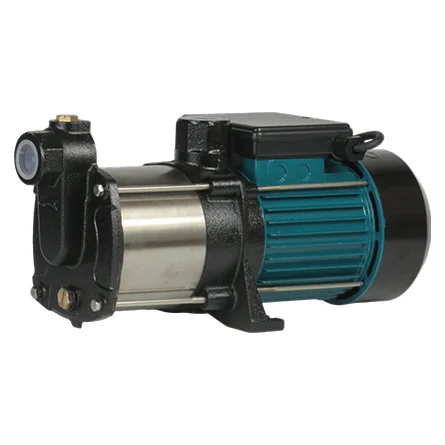
Operating in industrial manufacturing, commercial plumbing, and municipal fluid engineering systems for years at Flyaway, our technical specialists have encountered numerous complex liquid transfer challenges across diverse plant environments. When facility managers and system integrators need to move clean water or process chemicals efficiently, selecting the right hardware is essential for long-term operational success. At the heart of most modern fluid networks is a high-efficiency centrifugal pump, a mechanical device engineered specifically to transform rotational kinetic energy into stable hydraulic pressure. Based on practical engineering insights and field deployment data from Flyaway, a reliable centrifugal pump serves as the foundational backbone for continuous water supply loops, HVAC fluid circulation, and heavy industrial processing. Unlike positive displacement equipment, a standard centrifugal pump utilizes high-speed internal impellers to impart velocity to the working liquid, subsequently converting that acquired velocity into steady discharge pressure within a carefully designed volute casing. Operating a centrifugal pump correctly ensures that industrial facilities achieve stable, reliable fluid movement across diverse operational cycles without unnecessary energy dissipation or severe mechanical vibration. Furthermore, understanding your specific system duty points and friction losses before making a purchase decision guarantees that your chosen centrifugal pump delivers peak volumetric efficiency and robust mechanical durability over years of demanding daily service.
Selecting and operating high-performance industrial equipment demands meticulous attention to technical specifications rather than relying on general guesswork. When evaluating how to choose a centrifugal pump, plant operators must assess fluid viscosity, corrosive properties, solid particle content, and operating temperature ranges. At Flyaway, our technical evaluations emphasize motor power ratings, maximum discharge head capacity, and optimal flow rates measured in liters or gallons per minute to match specific facility demands. For instance, while clean water moves effortlessly through a standard centrifugal pump, handling abrasive slurries or elevated temperatures requires specialized mechanical seals, robust cast iron or stainless steel housings, and correctly rated electric motors, such as IP44 or IP55 enclosures. Field data gathered by our engineering specialists demonstrates that accurately matching electrical voltage requirements, motor horsepower, and total dynamic head to actual operational workloads effectively prevents thermal overload, motor overheating, and premature mechanical wear. When integrating a new centrifugal pump into your plant's fluid network, maintenance personnel should thoroughly inspect the suction piping, inlet strainers, and alignment tolerances, ensuring that every component operates within safe hydraulic thresholds to avoid cavitation and dry-running motor damage.
Navigating complex equipment specifications requires a thorough understanding of pump performance curves and hydraulic principles. Every professional centrifugal pump is designed with unique performance characteristics mapping flow rate against total dynamic head, demonstrating how the unit behaves under varying load conditions. In heavy industrial processing and high-volume manufacturing plant operations, utilizing a properly sized centrifugal pump ensures that fluid delivery remains steady, smooth, and entirely pulse-free. Because the internal impeller design of a centrifugal pump enables a continuous, non-positive displacement fluid flow, the liquid discharges in a smooth stream that effectively prevents damaging pressure surges or pipe hammering. When consulting with facility owners and plant engineers, our technical team at Flyaway always emphasizes identifying the Best Efficiency Point (BEP) on the manufacturer performance curve. Operating your centrifugal pump near its BEP guarantees maximum energy efficiency, lower electricity consumption, and minimized internal component stress. Conversely, operating a centrifugal pump far outside its recommended design envelope can lead to severe hydraulic instability, rapid impeller erosion, and premature mechanical failure. Therefore, reviewing comprehensive performance charts alongside your facility's actual daily demand profile is an indispensable step in the equipment selection process.
Maximizing the operational lifespan, structural integrity, and reliability of fluid transfer machinery requires proactive, scheduled, and well-documented maintenance protocols. Established technical guidelines specify that periodically inspecting inlet strainers, clearing mineral deposits, checking lubrication levels, and monitoring motor operating temperatures are essential practices for preventing unexpected downtime. Over years of intensive field observation and customer support, our technical specialists at Flyaway have noted that neglecting routine suction line inspections or allowing minor seal leaks to persist is the primary leading cause of hydraulic inefficiency. After every rigorous operating cycle, facility operators should ensure that the centrifugal pump is protected from environmental extremes, freezing temperatures, and corrosive atmospheric agents by housing enclosures properly. Furthermore, performing routine vibration analysis and checking alignment between the motor shaft and the centrifugal pump casing helps identify minor mechanical imbalances before they escalate into major operational failures. By adhering strictly to manufacturer-recommended maintenance schedules, facility operators ensure that their centrifugal pump installations continue to deliver optimal performance, structural safety, and consistent fluid transfer power over years of continuous industrial use.
Maximizing the utility, energy efficiency, and cost-effectiveness of fluid management technology across diverse industrial and commercial environments requires continuous process optimization and adherence to strict safety standards. Integrating a modern centrifugal pump into automated or semi-automated plant systems allows facilities to reduce overall water consumption, lower energy bills, and dramatically improve system responsiveness. Our engineering research at Flyaway indicates that combining optimized pipe diameters, minimal elbow fittings, and precise inverter controls with a high-grade centrifugal pump can decrease total operational energy consumption by up to twenty-five percent in commercial buildings and manufacturing plants. Plant operators should regularly review workflow procedures, train new maintenance personnel on emergency shut-off protocols, and maintain a detailed electronic log of operating hours, pressure readings, and maintenance intervals for every active centrifugal pump in the facility. By implementing these advanced operational strategies, industrial and commercial facilities utilizing a trusted centrifugal pump can achieve superior fluid management standards, reduce equipment depreciation costs, and maintain a safe, highly efficient working environment for all staff members.
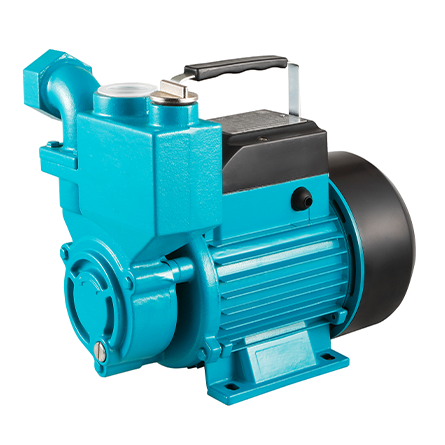
2026/09/08
Discover efficient domestic water pump solutions by Flyaway. Improve residential water pressure, ensure steady flow, and optimize home utility today.
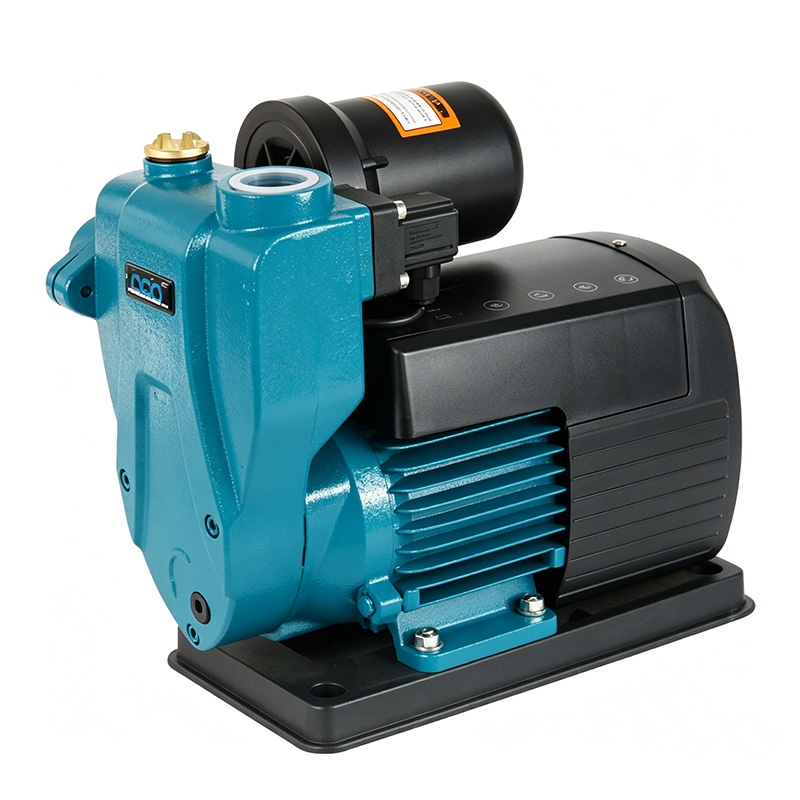
2026/09/08
Discover key benefits of using self priming pumps for industrial fluid transfer. Learn how Flyaway solutions improve efficiency and reduce maintenance costs.
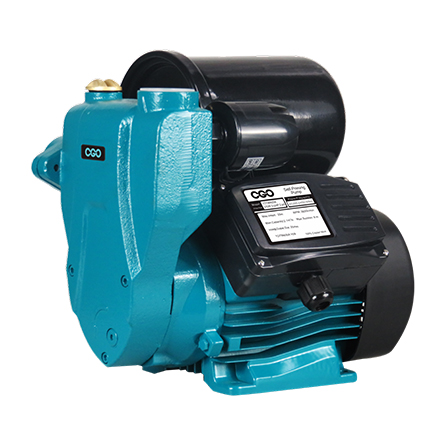
2026/09/08
Discover how to choose the right constant pressure water pump with VFD. Learn key hydraulic parameters, energy-saving benefits, and expert tips by Flyaway.
2026/09/08
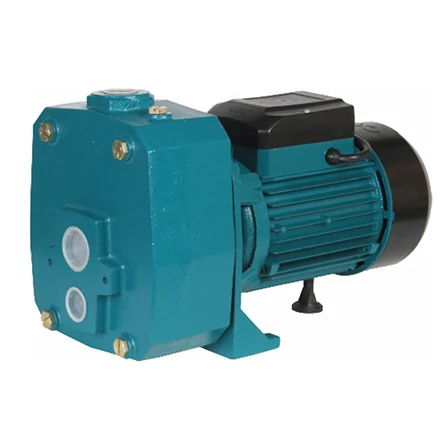
Discover what a jet pump is and its key uses in residential water supply, agricultural irrigation, and deep well extraction. Learn more with Flyaway.
2026/09/08
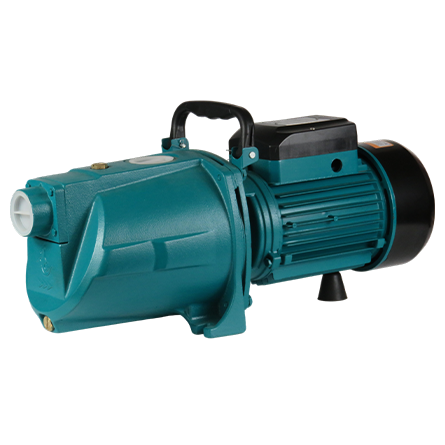
Discover why high-performance agri pumps are essential for modern crop irrigation systems. Learn expert selection tips and boost farm efficiency
2026/09/08
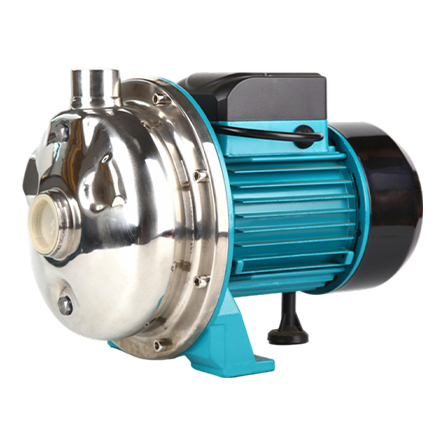
Discover expert tips on choosing the right clean water pump for your facility. Learn about flow rates, motor specs, and maintenance with Flyaway.
