 EN
EN
Domestic Water Pump Solutions for Homes
2026/09/08
Discover efficient domestic water pump solutions by Flyaway. Improve residential water pressure, ensure steady flow, and optimize home utility today.

2026/08/26
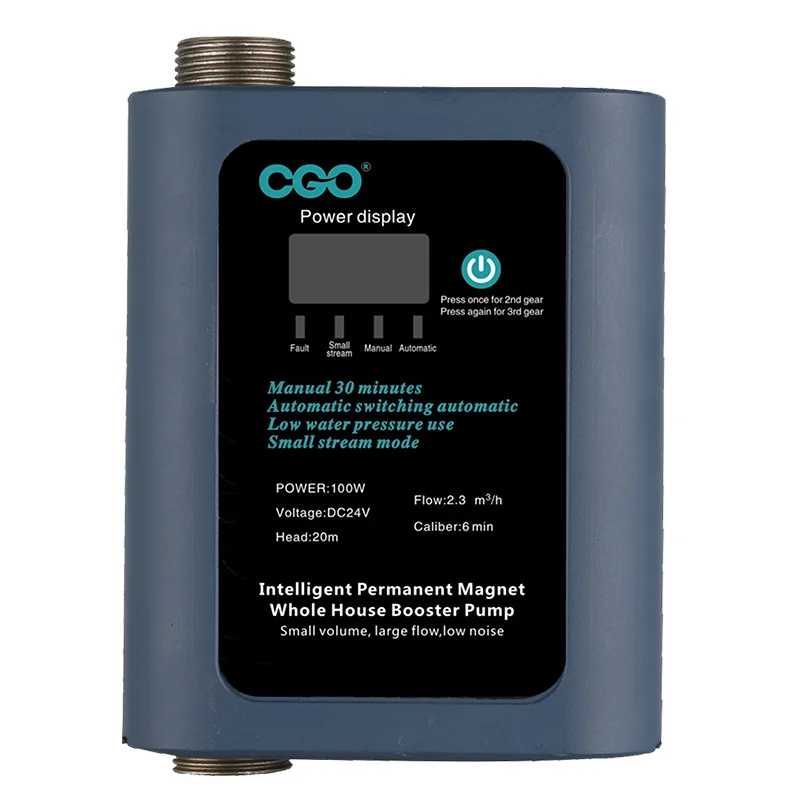
Modern residential architecture frequently incorporates below-grade plumbing fixtures such as basement laundry sinks, lower-level bathrooms, and utility washbasins to maximize available living space and home functionality. However, because these subterranean fixtures sit below the main municipal sewer line, wastewater cannot drain via natural gravity alone, creating a unique hydraulic challenge for homeowners. Drawing from practical plumbing and installation experience at Flyaway, homeowners frequently encounter severe wastewater backup, slow drainage, and unpleasant odors when relying on inadequate or makeshift drainage setups. Installing a reliable household sewage pump effectively solves this below-grade drainage obstacle by lifting wastewater vertically and forcibly discharging it into the main household drainage pipes. Without proper mechanical assistance, subterranean spaces remain highly vulnerable to standing water, structural dampness, and costly property damage caused by unexpected backflow incidents. Engineering assessments and plumbing standards consistently emphasize that gravity-defying wastewater management requires specialized mechanical solutions tailored precisely to daily residential discharge volumes. Consequently, integrating a well-sized household sewage pump ensures that basement bathrooms, guest suites, and utility laundry areas operate just as efficiently as upper-level plumbing systems without risking operational failures, sanitary hazards, or unexpected property flooding.
The mechanical operation of a residential sewage removal system revolves around collecting wastewater in a sealed basin and automatically discharging it under pressure when specific fluid levels are reached. When wastewater flows from basement plumbing fixtures into the collection basin, fluid levels rise steadily until they trigger an integrated float switch. At this precise activation threshold, the internal motor springs into action, driving a robust impeller or grinding mechanism that macerates solid waste and moves greywater upward through discharge piping. Field observations and technical evaluations at Flyaway indicate that selecting a household sewage pump with appropriate horsepower, flow rate, and head pressure prevents motor burnout and ensures consistent performance. Unlike standard sump pumps designed exclusively to clear clean groundwater from foundations, a specialized household sewage pump handles solid waste and hygienic greywater safely without clogging or mechanical failure. Technical guidelines from industry manufacturers specify that proper installation of check valves prevents discharged water from flowing backward into the basin once the pumping cycle completes. Understanding these core mechanical components helps homeowners appreciate why regular inspection of the float switch, basin seals, and impeller is vital for long-term reliability and system durability.
Utilizing a dedicated wastewater lifting solution transforms damp, underutilized basements into functional, sanitary living spaces, home workshops, or comfortable guest suites. By providing dependable wastewater removal, a quality household sewage pump eliminates the constant worry of basement flooding during heavy household water usage or intense seasonal storms. Furthermore, sealing the wastewater collection basin prevents unpleasant sewage gases, harmful bacteria, and excess moisture from escaping into the indoor living environment, significantly improving overall indoor air quality. Practical project feedback collected by Flyaway technicians highlights that homeowners experience enhanced property value and enduring peace of mind after upgrading their basement drainage infrastructure. Beyond mere convenience, deploying an efficient household sewage pump protects foundational structures from the corrosive effects of stagnant wastewater and chronic dampness. Homeowners can thus install basement laundry rooms, full bathrooms, and wet bars with absolute confidence in their wastewater management capabilities, knowing their lower levels are fully safeguarded against unexpected drainage failures.
Choosing the correct wastewater removal unit requires careful evaluation of vertical lift requirements, horizontal pipe runs, and expected daily household wastewater volume. Engineers and installation specialists recommend calculating the total dynamic head—the exact distance wastewater must travel vertically plus friction losses in the piping network—before purchasing a unit. A poorly matched household sewage pump will either cycle excessively, leading to premature motor wear, or fail to achieve sufficient flow velocity to clear solid waste effectively. Flyaway experts advise consulting professional plumbers to verify electrical requirements, dedicated breaker connections, and pipe diameter sizing prior to final system installation. Additionally, placing the collection basin in an accessible location simplifies routine maintenance tasks such as clearing debris from the intake screen or testing the high-water alarm system. Adhering to these professional installation standards guarantees optimal hydraulic performance and extends the operational lifespan of the household sewage pump across years of continuous residential service.
Maintaining a residential sewage ejection system requires strict adherence to scheduled inspections and sensible waste disposal habits to prevent mechanical strain. Routine checkups should involve flushing the collection basin with clean water, inspecting the check valve for backflow leaks, and verifying smooth, unobstructed float switch movement. Flyaway field maintenance protocols suggest testing the household sewage pump quarterly by running a simulated cycle to confirm immediate motor response, proper valve closure, and quiet operation. Homeowners must also educate household members to avoid flushing non-dispersible items such as wet wipes, sanitary products, or grease that can jam the impeller of the household sewage pump. Keeping a detailed maintenance log recording inspection dates and professional servicing helps track the overall health of the equipment and prevents unexpected breakdowns. Through disciplined upkeep and adherence to operational guidelines, a dependable household sewage pump delivers safe, sanitary, and trouble-free wastewater removal for decades.
2026/09/08
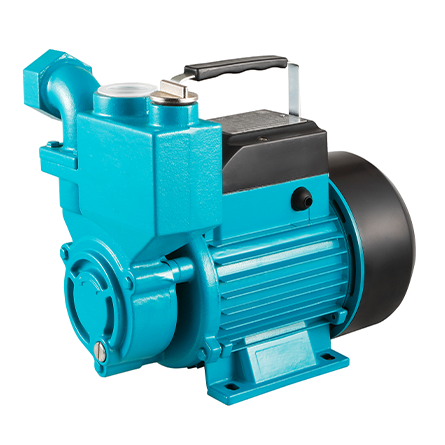
Discover efficient domestic water pump solutions by Flyaway. Improve residential water pressure, ensure steady flow, and optimize home utility today.
2026/09/08
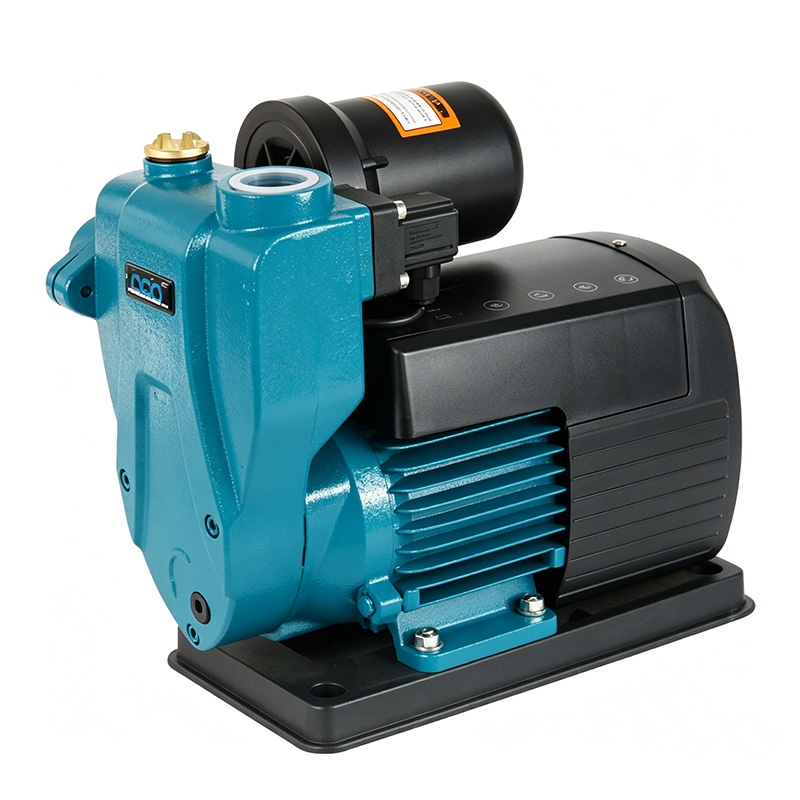
Discover key benefits of using self priming pumps for industrial fluid transfer. Learn how Flyaway solutions improve efficiency and reduce maintenance costs.
2026/09/08
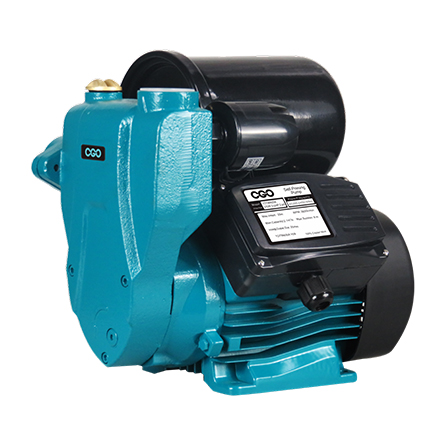
Discover how to choose the right constant pressure water pump with VFD. Learn key hydraulic parameters, energy-saving benefits, and expert tips by Flyaway.
2026/09/08
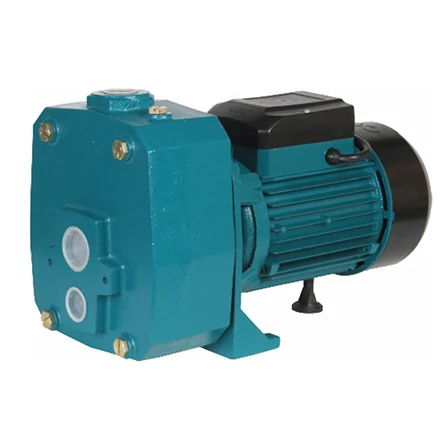
Discover what a jet pump is and its key uses in residential water supply, agricultural irrigation, and deep well extraction. Learn more with Flyaway.
2026/09/08
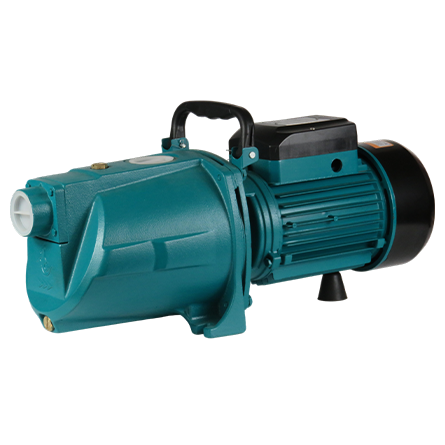
Discover why high-performance agri pumps are essential for modern crop irrigation systems. Learn expert selection tips and boost farm efficiency
2026/09/08
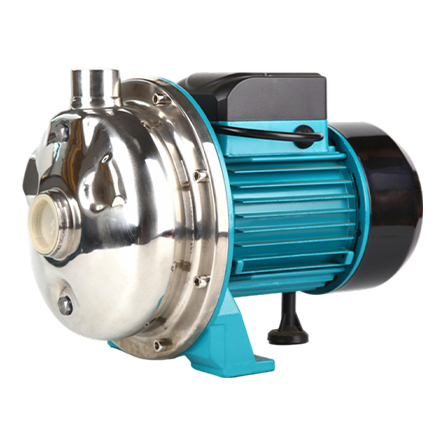
Discover expert tips on choosing the right clean water pump for your facility. Learn about flow rates, motor specs, and maintenance with Flyaway.
